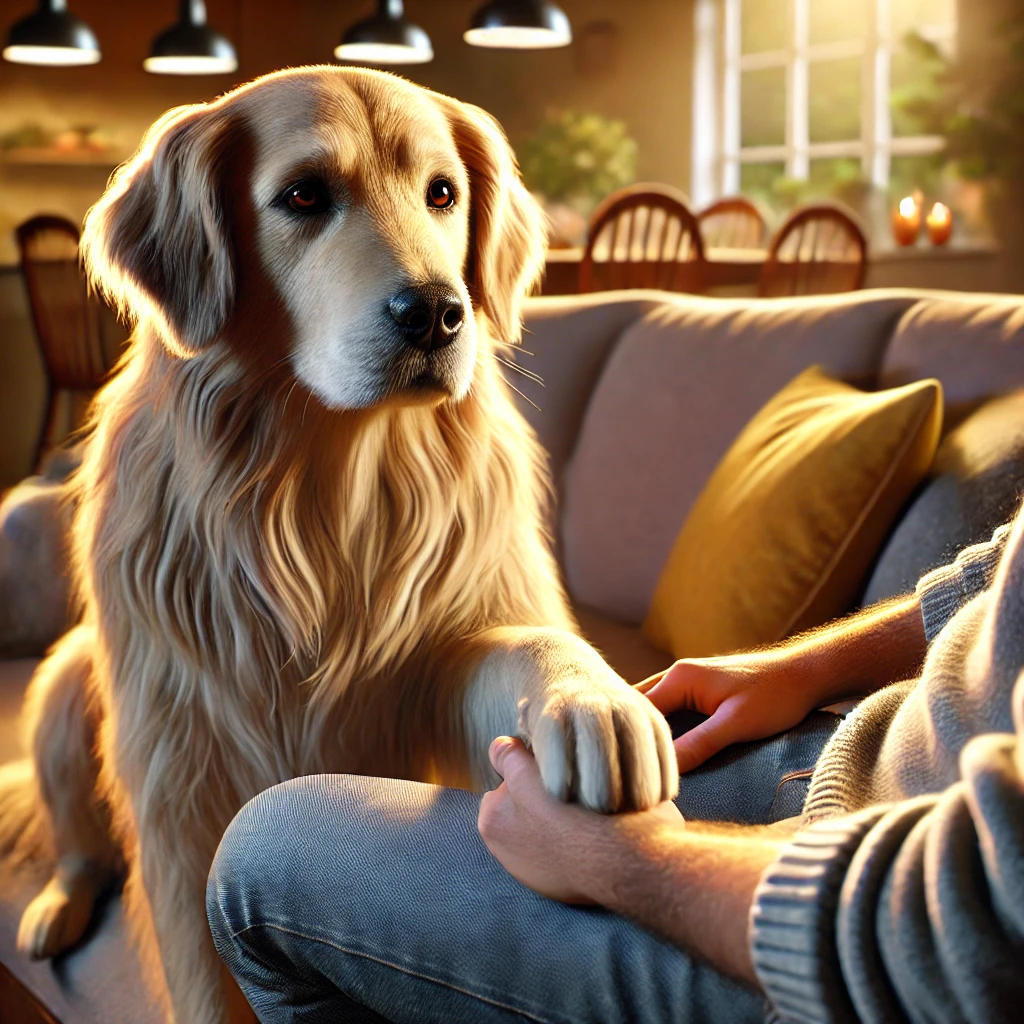

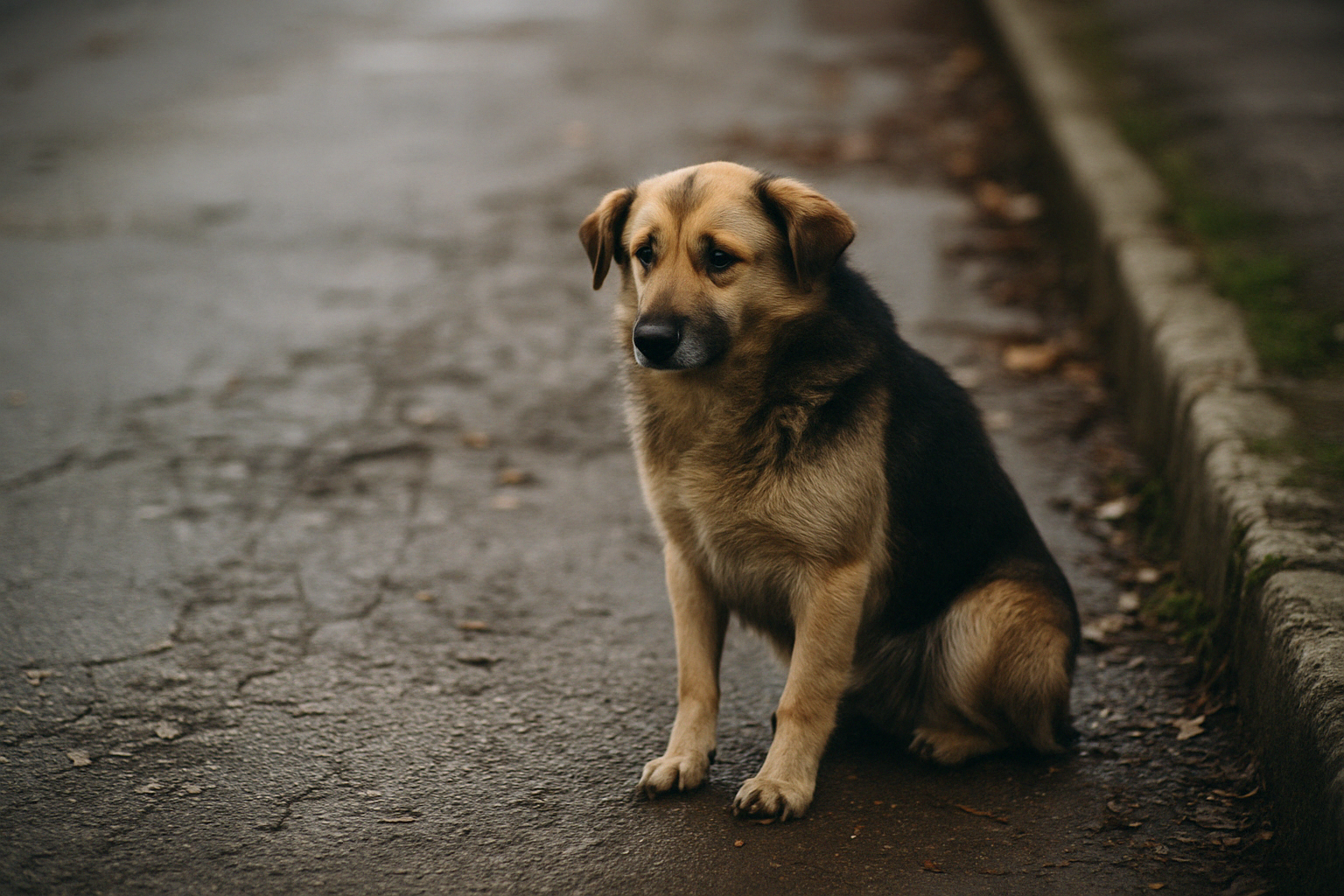
Bringing home a rescue dog with a rough history is one of the kindest things you can do—and sometimes one of the trickiest. As a trainer, I approach these dogs with three priorities: safety, predictability, and choice. Give the dog time to decompress, set up a simple routine, and teach tiny, winnable skills. Progress may be slower than with a puppy from a stable background, but the bond you earn is second to none.
Quick list: common issues you might encounter
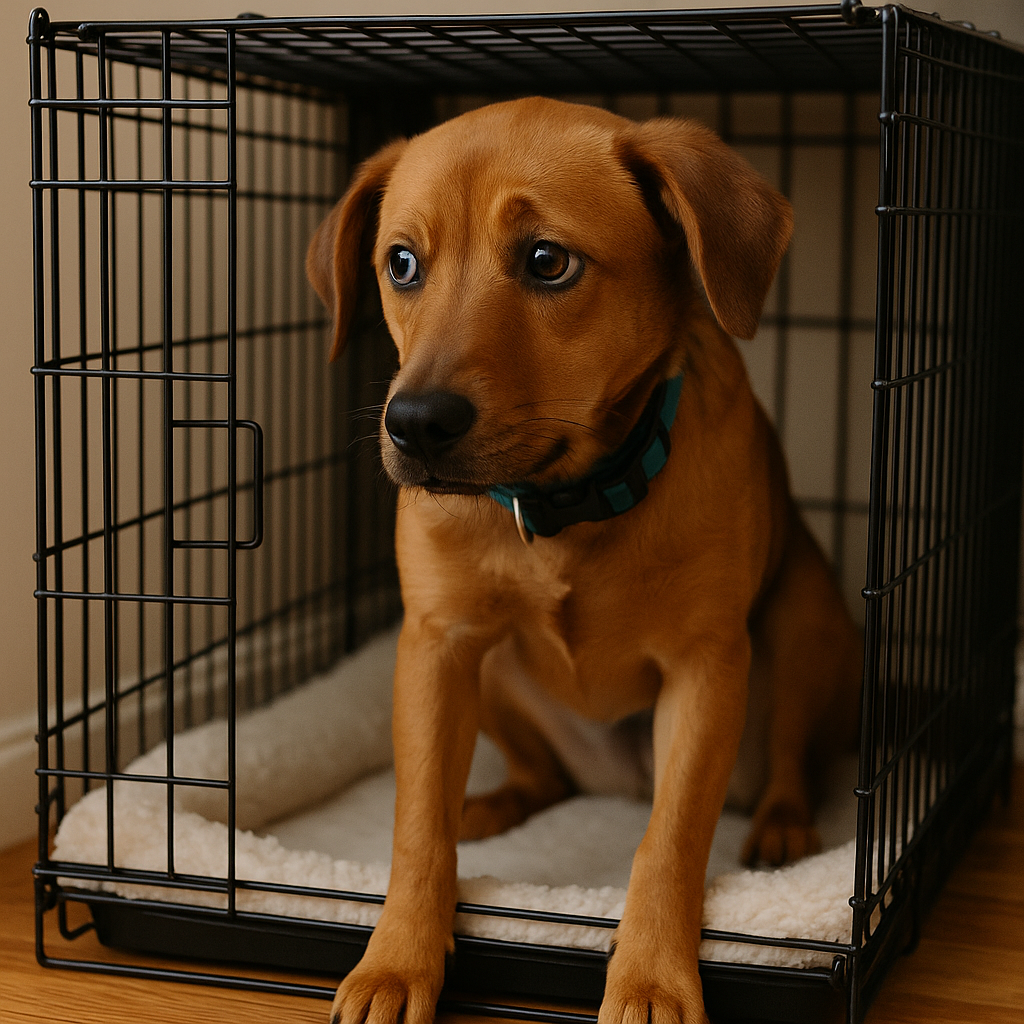
- Fearfulness around people, dogs, or new places
- Lead pulling or reactivity (barking/lunging) on walks
- Separation anxiety and distress when left alone
- House-training setbacks or marking
- Resource guarding (food, toys, bed)
- Excessive barking or whining
- Poor recall/bolting; escape attempts
- Handling sensitivity (touching paws, harness, grooming)
- Crate aversion or pacing/restlessness indoors
- Noise sensitivity (fireworks, traffic, household sounds)
- Car anxiety or travel sickness
- Mouthiness or jumpy greetings
- Lack of confidence and trouble settling
Below you’ll find separate “How to fix it” sections for each problem. Use them like a menu—start with the ones you’re seeing now and revisit as your dog relaxes.
Before you train: the 3–3–3 rule (decompression)
- First 3 days: keep things quiet. Short toileting walks only, no visitors, simple meals, long naps.
- First 3 weeks: build a predictable routine—same wake, walk, feed, train, and rest times.
- First 3 months: layer in new environments and skills gradually; track wins in a notebook.
Set up: comfy bed in a calm corner, baby gates if needed, chew options, water, a well-fitting Y-front harness, and a 5–10 m long line for safety outdoors.
Fearfulness around people/dogs/places
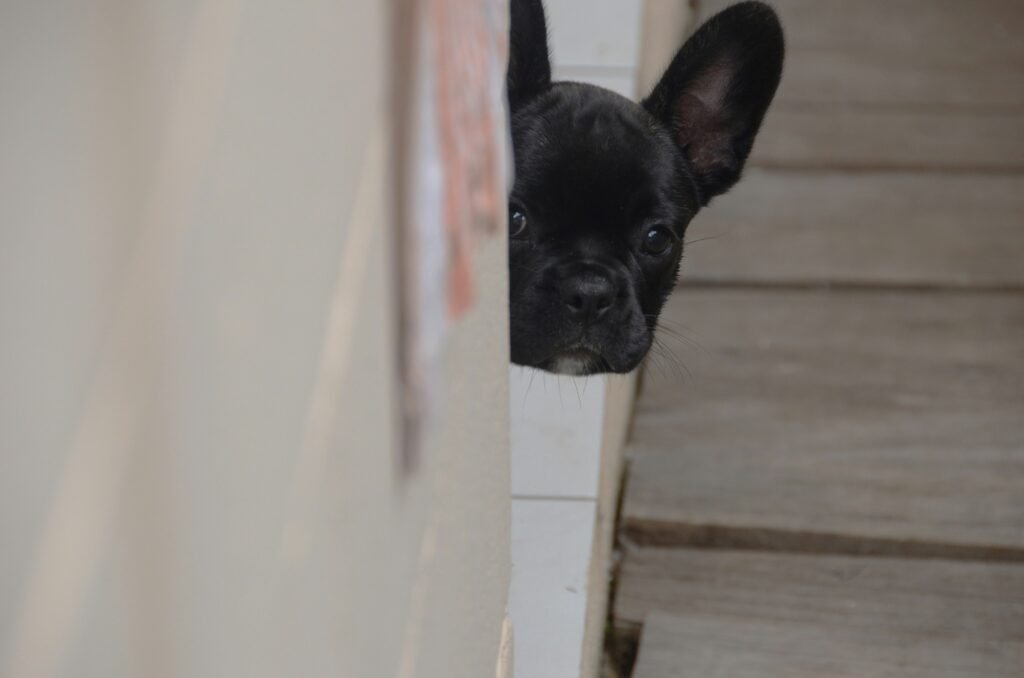
Goal: change the dog’s emotional response from “uh-oh” to “that means treats and space.”
How to fix it:
- Distance first. Work far enough away that your dog can notice the trigger and still eat.
- Pair every sighting with predictable food (chicken/cheese) delivered after they look—this is classical counter-conditioning.
- Play the Look-At-That (LAT) game: trigger appears → mark “yes” → treat when your dog turns back to you.
- Keep sessions 3–5 minutes and end before stress climbs. Increase difficulty by reducing distance a little over days/weeks.
- Avoid forced greetings. Choice builds trust.
Lead reactivity (barking/lunging)
Goal: clean, rehearsable patterns that replace big emotions.
How to fix it:
- Fit a front-clip harness and practise pattern games (1-2-3 Treat, U-turn on cue, hand target) at home first.
- Outside, spot triggers early; step off the path and run your pattern. Reward every check-in.
- Choose walking routes with space; morning/evening when it’s quiet.
- Track your “threshold distance” and improve it gradually.
Separation anxiety / distress alone
Goal: make absences boring and safe.
How to fix it:
- Start with absence rehearsals that are so short the dog stays calm (seconds). Return, drop a treat on a mat, carry on.
- Increase in tiny steps: seconds → minutes → slightly longer errands. If your dog vocalises, you went too fast—dial back.
- Use predictable pre-departure routines (jacket on, kettle off, treat on mat) that don’t spike anxiety.
- Enrich the environment: snuffle mats, stuffed Kongs, gentle background noise.
- Serious cases benefit from a remote camera and a trainer-led protocol; speak to a qualified behaviourist for tailored support.
House-training setbacks
Goal: rebuild clean indoor habits without drama.
How to fix it:
- Go back to basics: outside after waking, after meals, after play, and every 2–3 hours.
- Praise and treat during toileting outside.
- Supervise indoors or use a crate/pen for short stints after proper exercise.
- Enzymatically clean accidents; never punish.
Resource guarding (food/toys/bed)
Goal: teach “humans near my stuff = good news.”
How to fix it:
- Stop all “trade wars.” Instead, add value: as the dog eats, walk by and toss a high-value treat, then leave.
- Practise scatter-and-swap: show a second treat, scatter it away from the item, pick the item up while the dog is eating, then return it occasionally.
- Teach a cheerful, paid “Drop” cue using boring items first.
- Manage: feed behind a gate; don’t reach for prized chews until you’ve trained trust.
Excessive barking
Goal: meet the need; teach a quiet alternative.
How to fix it:
- Identify the function: alerting, boredom, frustration, fear, demand.
- Increase enrichment (sniff walks, food puzzles) and teach settle on a mat with paid calm.
- For alert barking, step to the window, say “Thank you,” drop a handful of treats behind you so the dog turns away, then draw the curtains.
- If barking is intense/repetitive and not resolved by training, consider a humane anti-bark strategy with a professional plan (e.g., citronella spray collars used sparingly alongside behaviour work). Prioritise welfare and guidance from a qualified trainer.
Poor recall / bolting
Goal: “come” predicts fantastic pay and safety every time.
How to fix it:
- Start on a long line in boring areas; say your recall cue once, then pay big (jackpot) for any turn-and-run to you.
- Play the “chase me” game—call, then jog backwards as your dog races in.
- Reward with food and a quick release back to sniff/play so recall doesn’t always end the fun.
- As your dog improves, proof in harder places.
- For dogs that can’t hear you or get locked on at distance, a no-shock vibrating collar can act as a gentle tactile cue when taught positively (pair the vibration with treats first). See Calmshops’ Vibrating Dog Training Collar for a humane option.
Handling/grooming sensitivity
Goal: cooperative care.
How to fix it:
- Introduce a consent cue (e.g., dog places chin on a towel). Handling only continues while the dog maintains contact.
- Use start-button behaviours: “paw on hand” to request paw handling, “chin rest” for ear checks.
- Pair each touch with a small treat, stop before the dog withdraws, and build duration slowly.
Crate aversion / can’t settle
Goal: create a predictable rest ritual.
How to fix it:
- Feed meals in the crate with the door open for a week. Then close the door briefly while the dog licks a stuffed Kong; open before they finish.
- Teach Go to Mat: toss a treat onto the bed, mark when paws land, feed calmness. Add a release cue.
- Cap hyper arousal with sniff breaks and decompression walks rather than endless fetch.
Noise sensitivity (fireworks/traffic)
Goal: safety and gradual desensitisation.
How to fix it:
- Create a safe room: blackout curtains, white noise, chews.
- Play very low-volume recordings while the dog eats/plays; increase volume a notch only when fully relaxed.
- During real events, skip training—focus on comfort and management.
Car anxiety
Goal: make the car predict food and fun.
How to fix it:
- Start with engine off: hop in → lick mat → hop out. Repeat.
- Add engine on (stationary), then very short drives to great destinations (quiet fields, sniff spots).
- Use a stable crate or seat-belt harness; many dogs relax with a calming chew 30 minutes before travel (e.g., Calmdogs® Calming Treats)—always check ingredients and your vet if unsure.
Jumpy greetings & mouthiness
Goal: teach incompatible behaviours that you love.
How to fix it:
- Remove the audience for jumping—stand on the lead or step away. Reward four paws on the floor or a sit with calm petting.
- Provide legal chew outlets; swap for a toy if mouthiness starts.
- Ask visitors to toss treats on the floor as they enter to keep heads down and brains engaged.
Confidence building you can start today
- Scatter feeding & snuffle games to reduce tension.
- Shaping tiny wins (touch a target, step on a mat, hop on a low platform).
- Predictable micro-sessions: 2–3 minutes, 3–5 times a day.
- Choice: offer two beds, two chew types, and two safe routes on walks when possible.
A simple 30-day plan
Week 1: decompression, routine, name response, hand target, Go to Mat, long-line safety.
Week 2: LAT game for triggers; recall games; introduce visitors at distance.
Week 3: short alone-time rehearsals; handling consent; calm doorways.
Week 4: proof recall in new places; add “leave it/drop”; extend alone time; first easy café visit if your dog is ready.
Tools that help (used humanely)
- Y-front harness + 5–10 m long line
- Food pouch and soft, high-value rewards
- Snuffle mats, puzzle feeders, stuffed Kongs
- Calm chews if appropriate (trial on a quiet day first)
- No-shock vibrating collar as a trained tactile cue for recall at distance:
Dog Training Collar – NO SHOCK Vibrating Dog Collar with Wireless Control
When to call a professional
- Bites or near-bites, serious resource guarding, severe separation anxiety, or cases where fear escalates despite careful training. Your vet can rule out pain; a certified behaviourist can design a tailored plan.
Final thought
Progress with a rescue dog isn’t a straight line. Celebrate small improvements, keep sessions short, and protect your dog’s sense of safety. With kindness and structure, even a dog with a difficult past can become the most reliable partner you’ve ever had.