
Introduction
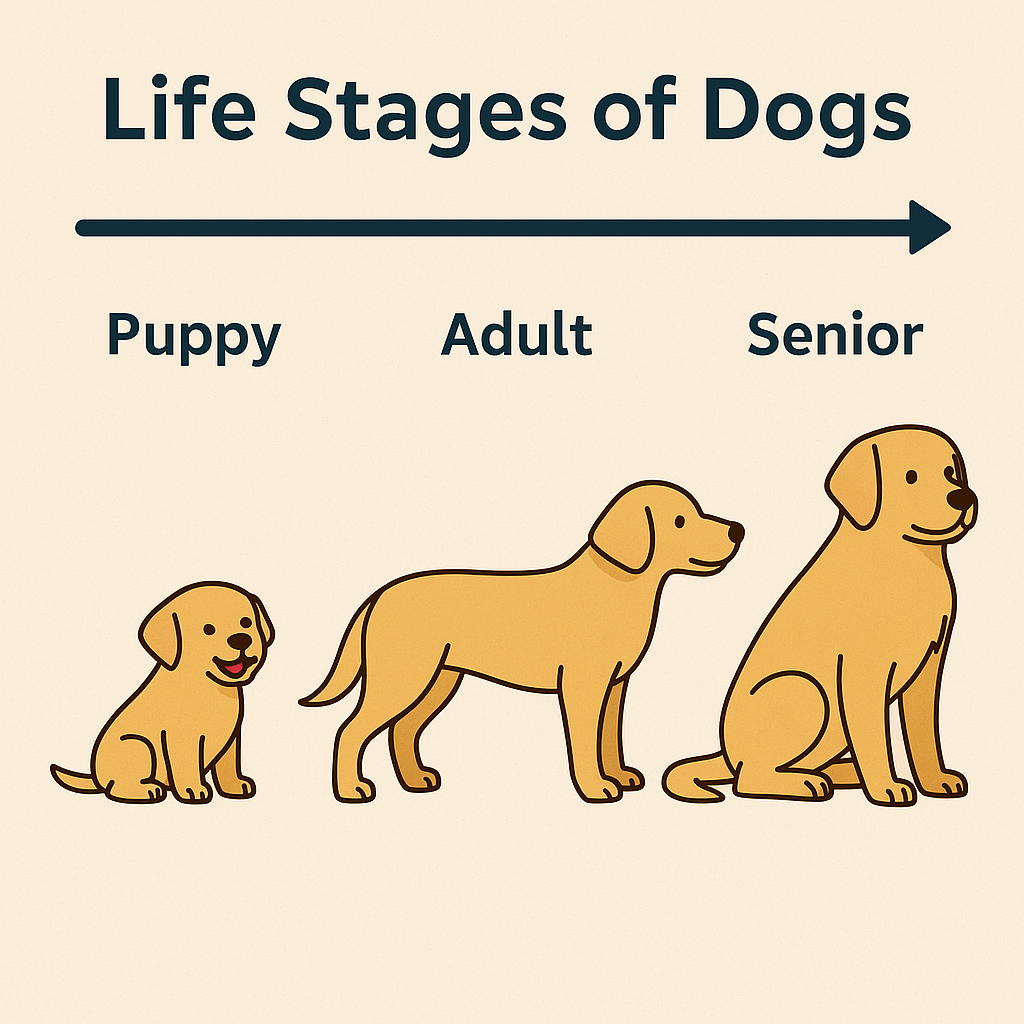
Dogs, much like humans, experience a range of life stages, each with its own joys, challenges, and care requirements. From those first playful puppy days to the wise, slow-paced senior years, understanding the life stages of dogs helps you become a more informed, compassionate, and supportive owner.
Whether you’re welcoming a new puppy or caring for an aging companion, this guide walks you through the physical, emotional, and health changes at every stage of your dog’s life.
🍼 Stage 1: Neonatal (0–2 Weeks)
Key Traits:
- Completely dependent on their mother
- Eyes and ears closed
- Limited movement and no teeth
This stage is mostly hands-off for owners unless you’re hand-raising orphaned puppies. Focus is on warmth, safety, and nutrition from the mother or a proper milk replacer.
🐶 Stage 2: Transitional (2–4 Weeks)
Key Traits:
- Eyes and ears open
- Begin to stand, walk, wag, and vocalize
- Start to explore surroundings
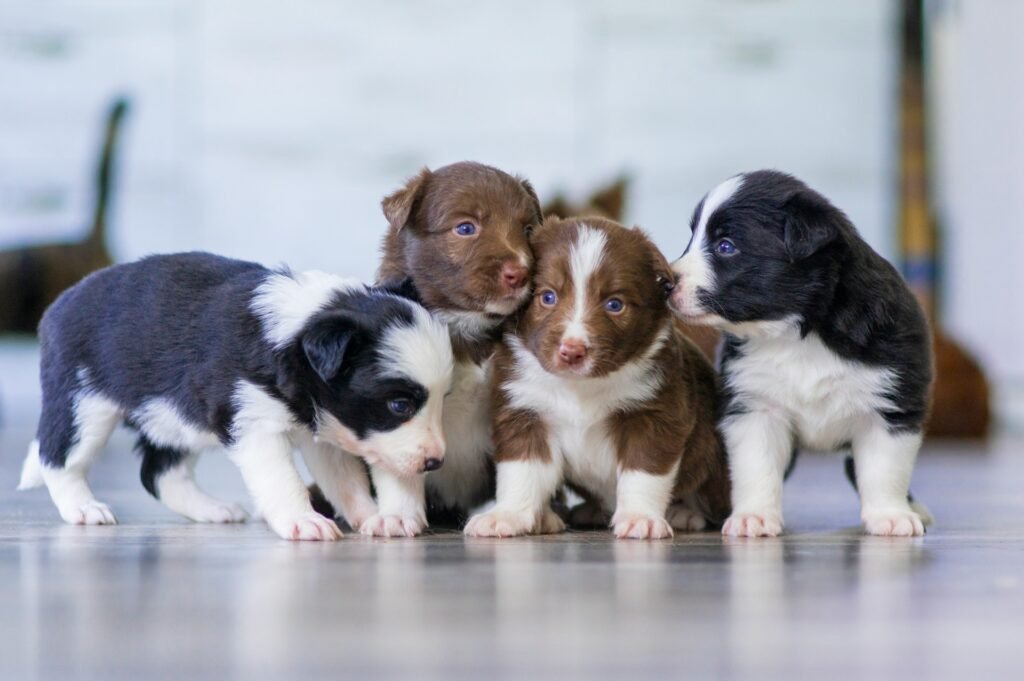
Socialisation starts here—even if it’s just with littermates and mom. It’s also the beginning of sensory development, making this a critical time for gentle handling.
🐾 Stage 3: Socialisation (4–12 Weeks)
This is one of the most influential life stages of dogs.
Key Traits:
- Learning to interact with humans and other animals
- Start of teething
- High curiosity and low fear threshold
Important Actions:
- Begin basic training (e.g., “sit,” “stay”)
- Introduce crate and house training
- Offer plenty of positive social experiences

🧠 Stage 4: Juvenile / Adolescence (3–6 Months)
Key Traits:
- Rapid growth and increased energy
- Teething finishes
- Start testing boundaries
This is a critical time for consistent training. You may also notice bursts of disobedience—think of it as the teenage phase.
📌 Training Tip: Use positive reinforcement with tools like vibrating training collars (available at Calmshops) for safe correction.

🐕 Stage 5: Young Adult (6–18 Months)
Key Traits:
- Full of energy, sometimes impulsive
- Growth slows but behaviour still maturing
- Start of hormonal behaviours in unspayed/unneutered dogs
If not already done, discuss spaying/neutering with your vet. Continue reinforcing training and encourage exercise to burn off energy.
🏃 Stage 6: Adult (1–7 Years)
This is typically the longest of the life stages of dogs.
Key Traits:
- Reached physical and mental maturity
- Balanced behaviour and energy
- Ideal time for active lifestyle and adventures
Tailor nutrition and exercise to your dog’s breed and size. Large breeds may have a shorter adult phase, while small dogs can remain sprightly into their teens.

👴 Stage 7: Senior (7+ Years)
Dogs are considered seniors around age 7, though this varies by breed.
Key Traits:
- Slower movements
- Greying fur around muzzle and eyes
- Increased risk of health issues like arthritis or dental disease
Care Tips:
- Switch to senior dog food with lower fat content and joint support
- Offer orthopedic dog beds for comfort
- Schedule twice-yearly vet checkups
📌 Recommended Product: Calmdogs Calming Dog Treats—ideal for soothing older dogs experiencing age-related anxiety.

🧪 Common Health Concerns by Life Stage
| Life Stage | Common Issues |
|---|---|
| Puppy | Worms, teething, parvo |
| Adolescent | Behaviour, nutrition gaps |
| Adult | Weight gain, joint strain |
| Senior | Arthritis, dental, vision/hearing loss |
Keep vet records up-to-date and always follow age-specific care advice.
🛍️ Essential Products for Each Dog Life Stage
For Puppies:
- Soft chew toys
- Training pads
- Crate and comfort blankets
- Puppy-safe treats
For Adults:
- Training accessories (e.g., Calmshops vibrating collars)
- Activity toys
- Dental care items
For Seniors:
- Elevated bowls
- Orthopedic dog bed
- Calming aids
- Gentle grooming brushes
🔁 Life Stage Transitions: What to Expect
Transitions don’t always happen overnight. Here are signs your dog is entering a new life stage:
- Increased napping? → Adult or senior phase
- Ignoring commands they used to follow? → Juvenile phase
- Needing more bathroom breaks? → Puppyhood or senior stage
- Avoiding stairs? → Senior transition begins
Being aware of these changes helps you adjust care routines and medical checkups appropriately.
🧭 Conclusion: Celebrate Every Life Stage of Dogs
Each of the life stages of dogs brings unique experiences and lessons. By understanding these stages and tailoring your care to meet your dog’s evolving needs, you’ll build a stronger, more compassionate bond.
Cherish the playful puppy days, stay patient through the teenage trials, and treasure those gentle senior cuddles. Your dog may not be with you for your whole life—but you are their whole world.
Suggested Products:
Need support tools for every stage of your dog’s life? Visit Calmshops.co.uk for:
- Age-appropriate training collars
- Calming treats
- Outdoor gear for puppies to seniors
Frequently Asked Questions
Here are some common questions dog owners may have about this topic.
What are the key developmental milestones during the Socialisation stage of a dog’s life?
During the Socialisation stage, between 4 and 12 weeks, puppies start learning how to interact with humans and other animals. This period includes the beginning of teething, high curiosity, and a low fear threshold. It’s essential to introduce basic training and positive social experiences to support healthy behavioural growth.
How can I support my dog during the Juvenile or Adolescence phase?
In the Juvenile phase (3–6 months), dogs experience rapid growth and increased energy, often testing boundaries. Consistent training using positive reinforcement is key. Patience and structure help manage bursts of disobedience, making this stage similar to a teenage phase in dogs.
What changes should I expect in my dog during the Young Adult stage?
Between 6 and 18 months, dogs still have high energy and may display impulsive behaviour. Hormonal changes become noticeable, especially in unspayed or unneutered dogs. It’s important to continue training, provide plenty of exercise, and consult your vet about spaying or neutering if you haven’t done so already.
Why is it important to understand the Neonatal stage even if I’m not hand-raising puppies?
The Neonatal stage (0–2 weeks) is when puppies are entirely dependent on their mother for warmth, safety, and nutrition. While owners usually do not intervene, understanding this phase helps ensure that orphaned puppies receive proper care with milk replacers and that the environment remains calm and secure for mother and litter.
How does a dog’s adult life stage vary by breed size?
The adult stage, lasting from about 1 to 7 years, is when dogs reach physical and mental maturity. However, large breeds often have a shorter adult phase and may age faster, while smaller breeds typically remain energetic and sprightly well into their teens. Tailoring exercise and nutrition to your dog’s breed size helps maintain their health during this time.