
Have you ever watched your dog sleeping peacefully, their paws twitching or their nose quivering, and wondered what might be happening in their mind? If so, you’re not alone. Many pet owners ask the question: Do dogs dream? The simple answer is yes-dogs do dream-but the nature of their dreams is as intriguing as it is mysterious. In this blog, we’ll delve into the science behind dog dreams, explore what they might be dreaming about, and share tips on how to help your furry friend enjoy the best sleep possible.
The Science Behind Dog Dreams

Research shows that dogs, like humans, go through various stages of sleep, including:
-
Light Sleep: The initial phase where the dog’s body starts to relax but remains easily awakened.
-
Deep Sleep: A restorative stage during which the body repairs itself and conserves energy.
-
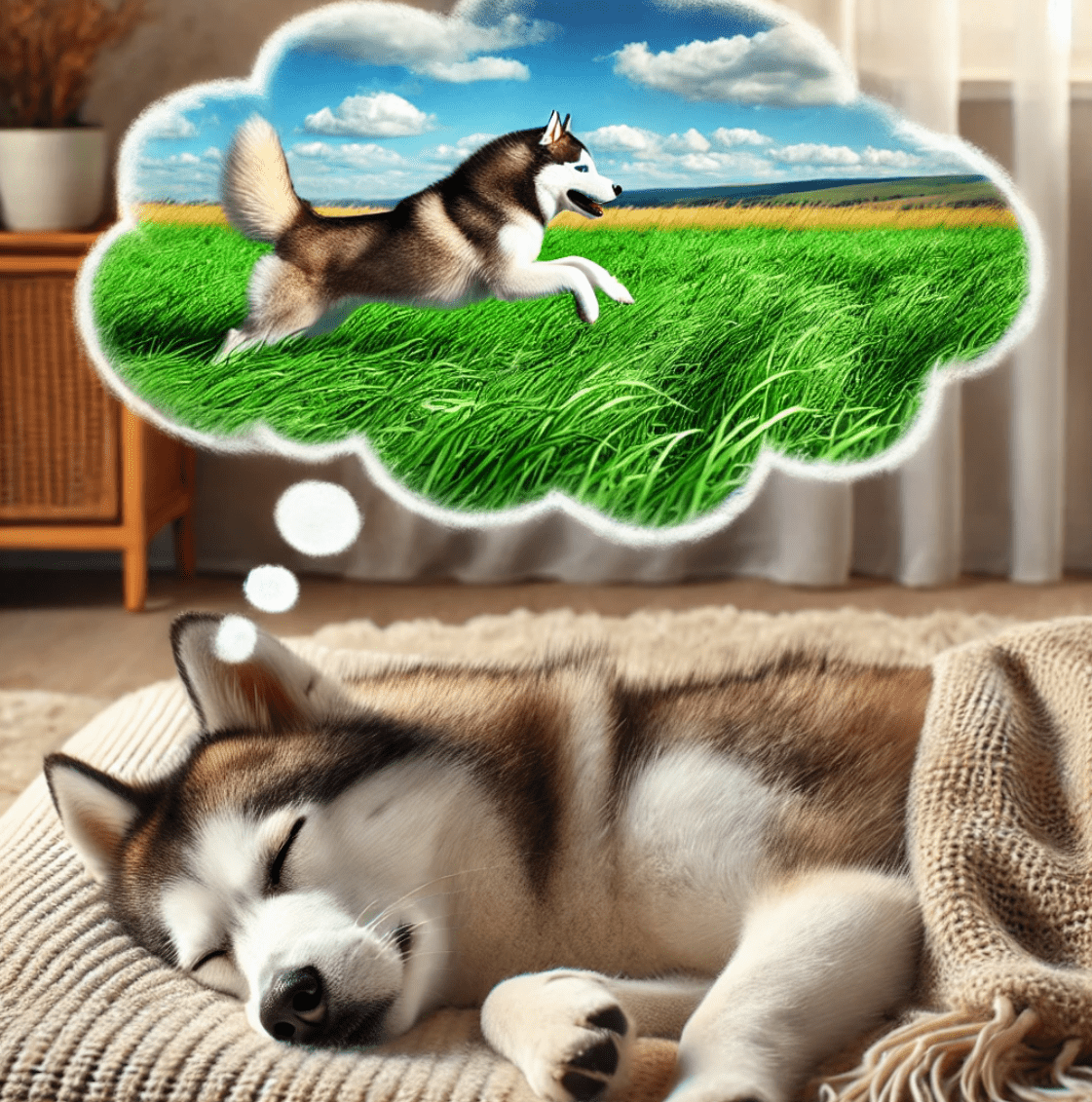
REM Sleep: REM (Rapid Eye Movement) sleep is when dreaming occurs. During this stage, the brain is highly active, and you might notice your dog’s eyes moving beneath closed eyelids, muscles twitching, or paws paddling.
A groundbreaking study by MIT researchers on rats in the 2000s provided strong evidence that animals dream. The study revealed that rats replayed memories of their daily activities during REM sleep. Since dogs share similar brain structures and sleep patterns, scientists believe dogs dream in much the same way.
What Do Dogs Dream About?

While we can’t know exactly what dogs dream about, their dreams likely reflect their everyday experiences. Like humans, dogs process memories and emotions during sleep. Here are some common themes that might appear in your dog’s dreams:
1. Chasing and Playing
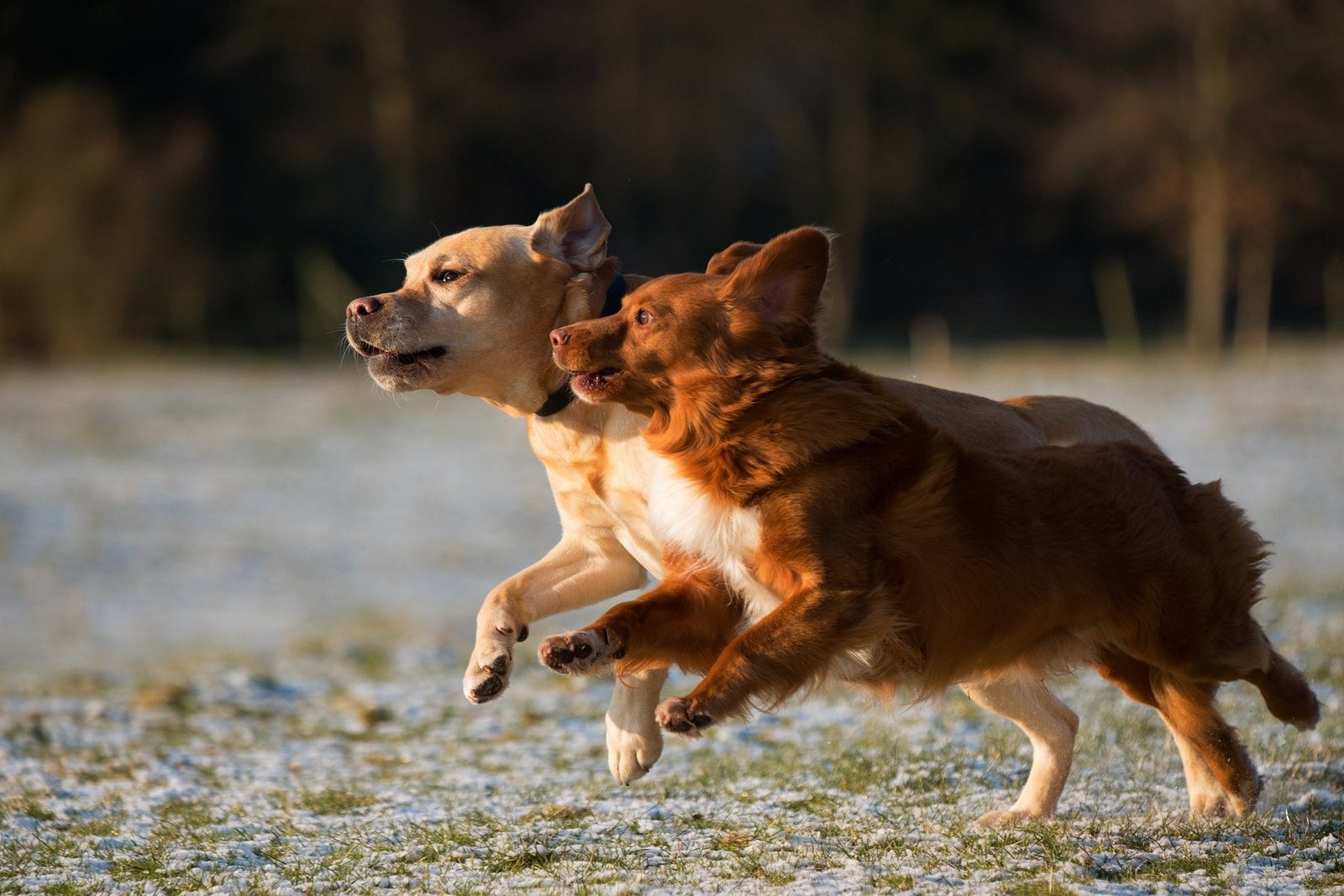
If your dog enjoys chasing squirrels or fetching balls, their dreams might involve these activities. Twitching legs and excited yips could indicate a dream about a fast-paced chase or a lively game of fetch.
2. Eating
For food-loving dogs, dreams might feature an endless buffet of their favourite treats. If you notice your dog licking or smacking their lips in their sleep, they could be dreaming of a delicious feast.
3. Interactions with Loved Ones
Dogs form strong bonds with their humans and other pets, so it’s likely their dreams include playing, cuddling, or simply spending time with those they care about.
4. Reliving the Day
Just as humans sometimes dream about their daily experiences, dogs may process their day’s events in their dreams. Whether it was a trip to the park, a bath, or a fun play session, these moments could appear in their dream world.
Do All Dogs Dream?

Most dogs do dream, but how often and how intensely they dream can vary based on factors such as:
-
Age: Puppies and senior dogs tend to spend more time in REM sleep, so they may dream more frequently.
-
Breed: Larger breeds often experience longer REM cycles, while smaller breeds may have shorter but more frequent dreams.
-
Activity Level: Dogs with active lifestyles and stimulating days may have more vivid dreams as their brains process these experiences during sleep.
How to Tell If Your Dog Is Dreaming
When your dog is dreaming, you might observe physical and vocal signs. Common indicators include:
-
Eye Movement: Rapid eye movement beneath closed eyelids is a key sign of REM sleep.
-
Twitching: Muscle twitches in the legs, paws, or face often signal that your dog is dreaming.
-
Vocalisations: Soft whimpers, barks, or growls may occur during particularly vivid dreams.
-
Breathing Changes: Your dog’s breathing might become irregular or faster while dreaming.
It’s best to let sleeping dogs lie, as waking them suddenly can startle and confuse them.
Do Dogs Have Nightmares?
Like humans, dogs can experience nightmares. If your dog whimpers, growls, or shows signs of distress during sleep, they may be having a bad dream. Nightmares could stem from past trauma, stressful events, or fears.
If your dog seems to be having a nightmare:
-
Speak softly to comfort them without waking them abruptly.
-
Create a safe and soothing sleep environment to help reduce stress.
-
Consult a vet or animal behaviourist if nightmares become frequent or severe.
How to Help Your Dog Sleep Better

Quality sleep is vital for your dog’s physical and mental health. Here are some tips to help your furry friend rest soundly:
1. Establish a Routine
Dogs thrive on consistency. Maintain a regular schedule for meals, walks, and bedtime to help regulate their sleep patterns.
2. Provide a Comfortable Bed
Choose a bed that fits your dog’s size and sleeping preferences. Orthopedic beds can be especially helpful for older dogs with joint issues.
3. Exercise During the Day
Physical activity helps burn off excess energy, making it easier for your dog to relax and fall asleep.
4. Create a Calm Environment
Minimize noise and distractions in your dog’s sleeping area. A quiet, dimly lit space helps them feel safe and secure.
5. Offer Mental Stimulation
Interactive toys and training sessions engage your dog’s mind, promoting deeper, more restful sleep.
Fun Facts About Dog Dreams

-
Puppies Dream More: Puppies spend more time in REM sleep as their brains develop, so they likely dream more than adult dogs.
-
Different Breeds, Different Dreams: For example, a Border Collie might dream about herding sheep, while a Retriever may dream about retrieving.
-
Dream Lengths Vary: Small dogs tend to have shorter dreams, whereas larger dogs may experience longer and more complex dream sequences.
The Connection Between Dog Dreams and Human Dreams
Interestingly, dogs’ dreaming processes closely resemble those of humans. Both species process emotions, memories, and experiences during REM sleep. This similarity is one of the many reasons we feel such a strong bond with our canine companions. Knowing that our dogs dream about their lives with us makes their connection to us even more special.
Suggested Products


Conclusion
So, do dogs dream? Absolutely! Dogs dream just like humans, replaying memories, processing emotions, and even enjoying imaginary adventures. Whether chasing squirrels, savoring a tasty meal, or reliving a fun day at the park, their dreams provide a fascinating glimpse into their rich inner world.
By learning more about your dog’s sleep and dreams, you can better support their health and happiness. Next time you see your pup’s paws twitching in their sleep, smile and imagine the exciting dream they might be having.
Frequently Asked Questions
Here are some common questions dog owners may have about this topic.
How can I tell if my dog is dreaming?
You might notice your dog twitching their paws, moving their eyes beneath closed eyelids, or making quiet noises like whimpers or barks during sleep. These signs usually occur during REM sleep, which is the phase when dogs experience dreams.
Do puppies dream differently than adult dogs?
Puppies tend to spend more time in REM sleep compared to adult dogs, meaning they may dream more frequently. Their dreams likely involve learning experiences or new activities as their brains develop and process new information.
Is it safe to wake a dog while they are dreaming?
It's generally best not to wake a dog during REM sleep, as this can startle or confuse them. If you need to wake them, do so gently and calmly to avoid causing stress or anxiety.
What can I do to help my dog have better sleep and dreams?
Providing a comfortable, quiet sleeping area free from disturbances helps your dog relax and enjoy restful sleep. Regular exercise during the day also promotes healthy sleep patterns and more restorative dream cycles.
Why do dogs twitch or paddle their legs while sleeping?
These movements usually indicate your dog is dreaming, often about activities like running or playing. Twitching and paddling are physical responses to the vivid experiences their brain is processing during REM sleep.