
Separation anxiety is a common issue in dogs, triggered when they become upset after being separated from their owners. Signs of separation anxiety include barking, destructive behaviour, pacing, and excessive drooling. Below are some effective strategies to help your dog cope with separation anxiety.
Create a calming environment
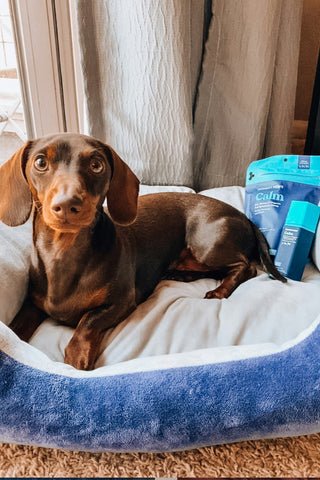
Establish a peaceful and comforting space for your dog. Provide a cosy bed, toys, and easy access to water. Playing soft music or leaving the TV on can offer soothing background noise. For added help, our Calmdogs calming treats can take the edge off while the training does the real work. It’s also worth reading the PDSA’s guidance on separation anxiety, and our own guide to calming a dog naturally covers what else helps.
Gradually increase time apart
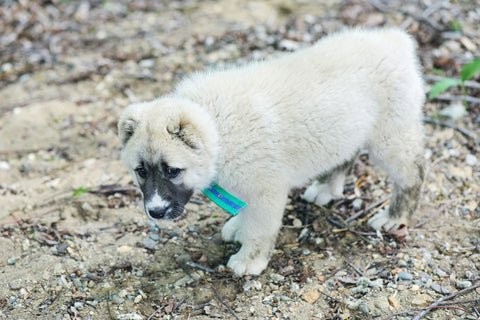
Slowly extend the duration you spend away from your dog. Begin with brief intervals and progressively lengthen them. This helps your dog adjust to being alone and can ease their anxiety over time. If your working day is longer than your dog can currently manage, a midday visit bridges the gap — our directory of dog sitters covers more than 40 UK cities. One caution on crates: shutting an already-anxious dog into a small space usually makes things worse rather than better. Crate training helps here only if the crate is already somewhere your dog chooses to go on their own.
Practise leaving and returning
Rehearse your departures and arrivals without drawing much attention. Before leaving, ignore your dog for a few minutes, and when you return, wait a short while before engaging with them. This approach reduces the excitement linked to your comings and goings.
Provide positive reinforcement

Reward your dog with treats and praise when they remain calm. Positive reinforcement encourages your dog to associate being alone with a positive experience.
Exercise your dog
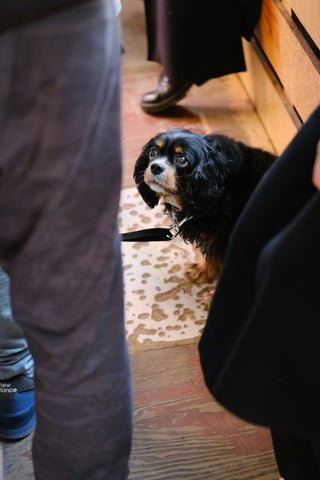
Ensure your dog gets plenty of physical activity. A well-exercised dog is less likely to feel anxious when left alone. Take your dog for a walk or play fetch before you leave. Find the appropriate dog exercise accessories at Calmshops.
Consider medication
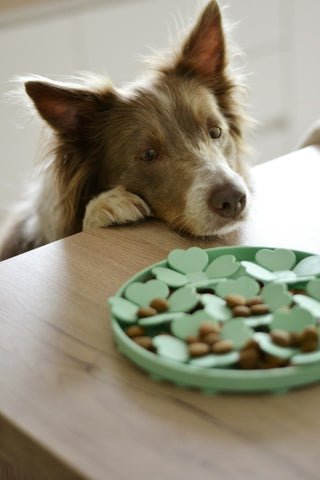
If your dog’s separation anxiety is severe, medication might be an option. Consult your veterinarian about suitable treatments to help ease your dog’s anxiety — never medicate a dog yourself. If you’re not registered with a practice, our guide to finding a vet near you is a good starting point.
Consider professional help
If your dog’s separation anxiety is intense, seeking professional assistance may be beneficial. A dog trainer or behaviourist can help you create an effective plan to reduce your dog’s anxiety.
Separation anxiety can be challenging for both dogs and their owners. By establishing a calming environment, gradually increasing time apart, practising departures and arrivals, offering positive reinforcement, ensuring regular exercise, considering medication, and seeking professional support, you can help your dog overcome their anxiety and feel comfortable when alone. With patience and dedication, you can improve your dog’s quality of life and happiness.
Frequently Asked Questions
Here are some common questions dog owners may have about this topic.
What are the initial steps to create a calming environment for a dog with separation anxiety?
Start by setting up a comfortable space with a cosy bed, favourite toys, and easy access to water. Playing soft music or leaving the TV on can provide soothing background noise, helping your dog feel more secure when alone.
How can I gradually help my dog get used to being alone?
Begin with very short separations and slowly increase the time you spend away from your dog. This gradual approach allows them to adjust at their own pace, reducing anxiety and building confidence in being alone.
Why is it important to practice arrivals and departures without excitement?
Ignoring your dog briefly before leaving and waiting a short time before greeting them upon return helps to reduce the emotional highs associated with your comings and goings. This lowers anxiety and discourages clingy behaviour.
How does exercise influence a dog's separation anxiety?
Providing plenty of physical activity before you leave helps tire your dog out, making them more likely to rest when alone. Exercise also reduces stress and can lessen the intensity of anxious behaviours during your absence.
When should I consider seeking professional help for my dog's separation anxiety?
If your dog’s anxiety is severe or persists despite your efforts, consulting a dog trainer or behaviourist can be beneficial. They can offer tailored strategies and guidance to address your dog's specific needs more effectively.