
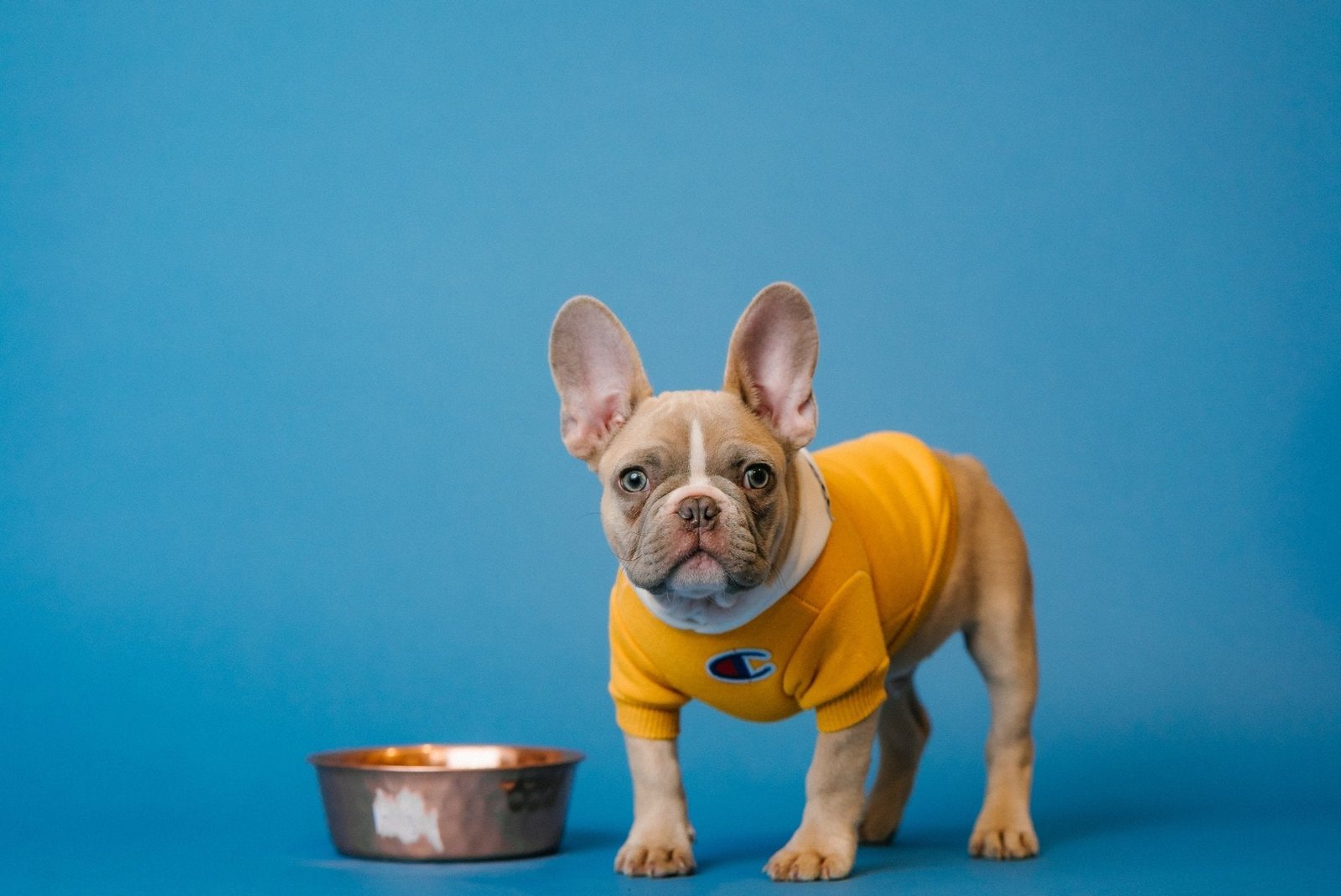
Feeding your dog is a crucial responsibility for any pet owner. Ensuring your dog receives the right amount of nutrition is essential to maintain a healthy weight and avoid health problems such as obesity. However, figuring out the appropriate portion size for your dog can be challenging. Here are some helpful tips to guide you in determining how much to feed your dog:
-
Consider your dog’s age and activity level

Your dog’s age and activity level greatly influence their nutritional requirements. Puppies and young dogs need more calories than adults, while senior dogs often require fewer calories due to decreased activity. Highly active dogs may also need more calories compared to less active ones.
-
Read the dog food label

Dog food packaging usually includes feeding recommendations based on your dog’s weight and activity level. These guidelines serve as a useful starting point for determining portion sizes. Keep in mind, however, that individual dogs may require adjustments-some may need more or less food than suggested.
-
Monitor your dog’s weight

Tracking your dog’s weight is one of the most effective ways to determine the right feeding amount. If your dog seems to be eating less than usual despite correct portions, our guide on how to know if your dog isn’t eating enough explains what to watch for. If your dog is gaining excess weight, consider reducing their food portions. Conversely, if they are losing weight, an increase in food may be necessary. Regular weigh-ins will help you monitor their progress and adjust feeding accordingly.
-
Avoid overfeeding

Overfeeding is a common issue that can lead to obesity and related health problems. It’s important to measure your dog’s food carefully and limit treats or table scraps to avoid excessive calorie intake.
-
Consider feeding frequency

The number of meals you feed your dog can also influence how much food they need. Some dogs thrive on two meals a day, while others may benefit from more frequent, smaller meals. Consult your veterinarian to find the optimal feeding schedule for your dog.
In summary, determining the right amount to feed your dog involves considering their age, activity level, food label recommendations, weight monitoring, and feeding schedule. Avoid overfeeding and seek veterinary advice if you have concerns about your dog’s weight or nutritional needs. Providing proper nutrition helps your dog maintain a healthy weight and enjoy a long, happy life.
Frequently Asked Questions
Here are some common questions dog owners may have about this topic.
How does my dog's age affect how much I should feed them?
Puppies and young dogs require more calories to support their growth and high energy levels, while senior dogs generally need fewer calories due to decreased activity. Adjusting portion sizes according to your dog’s age helps maintain a healthy weight and prevents overfeeding.
Can I rely solely on dog food packaging to decide how much to feed my dog?
Dog food labels provide useful feeding guidelines based on weight and activity, but individual needs vary. It's important to use these as a starting point and adjust portions by observing your dog’s weight and overall condition to ensure they’re getting the right amount.
Why is monitoring my dog’s weight important for feeding?
Regularly tracking your dog’s weight helps you determine if their current food intake is appropriate. If your dog gains excess weight, reducing portions may be necessary, while weight loss might mean increasing food. This helps maintain their health and prevent obesity-related issues.
How can I avoid overfeeding my dog?
Measure your dog’s meals carefully and avoid giving too many treats or table scraps, which can add unnecessary calories. Sticking to recommended portions and feeding schedules helps prevent overfeeding, reducing the risk of weight gain and related health problems.
How does feeding frequency affect how much I should feed my dog?
Some dogs do well with two meals per day, while others benefit from smaller, more frequent meals. The feeding schedule can influence portion sizes, so it’s best to consult your veterinarian to find the optimal routine that meets your dog’s nutritional needs.