
Maintaining your dog’s nails at an appropriate length is vital for their overall health and comfort. Overgrown nails can cause pain, hinder mobility, and even lead to serious health issues. Many dog owners are uncertain about the best nail care practices, often questioning how frequently to trim, which tools to use, and whether professional grooming is necessary. This guide provides comprehensive information on caring for your dog’s nails, featuring expert tips from professional trainers and real-life experiences from dog owners.
Why Nail Care Matters for Your Dog
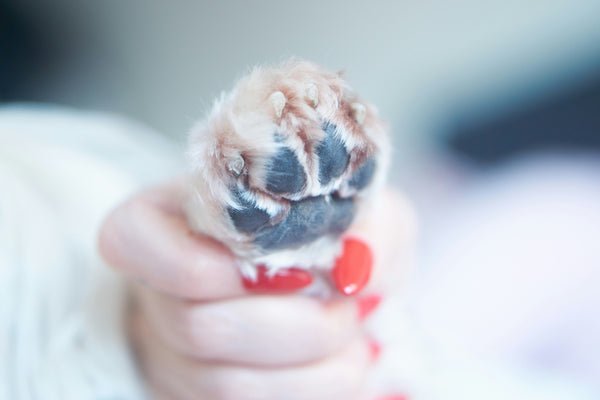
Proper nail care goes beyond appearance; it is essential for your dog’s comfort and health. Nails that grow too long can alter your dog’s gait, potentially causing joint pain and posture issues. Overgrown nails are also prone to splitting or breaking, which can be painful and lead to infections.
Signs Your Dog’s Nails Need Trimming
-
You notice clicking sounds when your dog walks on hard floors.
-
Your dog shows hesitation to walk or play due to discomfort.
-
The nails curl and come into contact with the paw pads.
-
There is visible splitting or cracking of the nails.
-
Your dog frequently licks or bites its paws.
How Often Should You Trim Your Dog’s Nails?
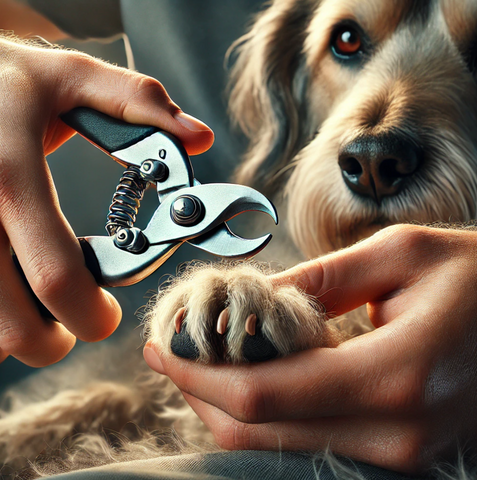
The ideal trimming frequency depends on factors like your dog’s activity level, breed, and the surfaces they walk on. Dogs that regularly walk on hard surfaces such as pavement tend to naturally wear down their nails, while those spending more time indoors or on soft ground may require more frequent trims.
Generally, most dogs benefit from a nail trim every 3-4 weeks. Some active dogs might need less frequent trims, whereas others may require more regular attention.
Dog Owners’ Experiences with Nail Care
Dog owners often have varied experiences with nail trimming, and a few common themes come up again and again. Many owners start out nervous about trimming too short and hurting their dog, but gain confidence after researching the process and watching a few tutorials. Trimming little and often, rather than leaving it too long between sessions, tends to make each trim quicker and less stressful for both of you.
For dogs who really dislike having their nails done, positive reinforcement makes a big difference. Giving a treat after each nail, rather than waiting until the whole paw is finished, helps many dogs tolerate the process far better over time.
Professional Dog Trainers’ Tips for Nail Care
1. Start Slowly and Be Patient
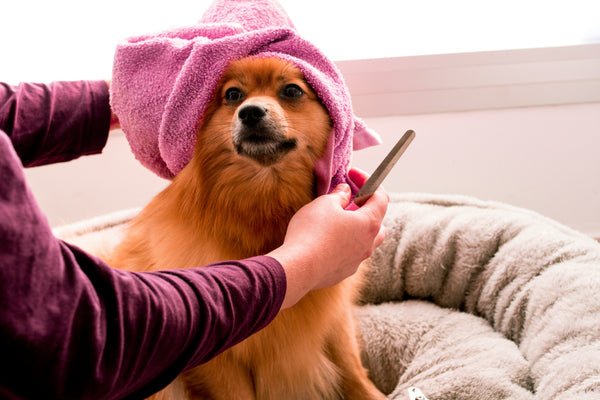
Professional trainers recommend gradually introducing nail trimming. If your dog is anxious, begin by gently handling their paws daily to build comfort. Use treats and positive reinforcement to create a positive association with the process.
2. Use Appropriate Tools
Selecting the right tools is key for a safe and effective trim. Common options include:
-
Guillotine-style clippers: Best suited for small to medium-sized dogs.
-
Scissor-style clippers: Ideal for large dogs with thick nails.
-
Grinders: Electric grinders smooth nails and help prevent sharp edges.
If you’re unsure about using clippers, a nail grinder is often a safer option. Groomers generally find it offers better control and reduces the risk of cutting the quick, especially while you’re still building confidence.
3. Avoid Cutting the Quick
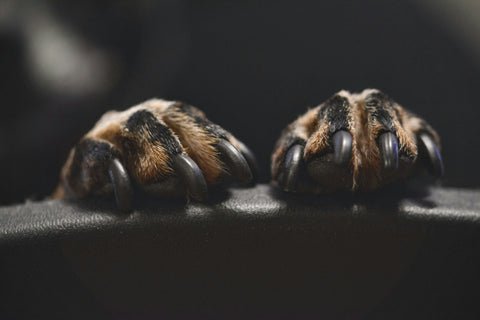
The quick is the sensitive inner part of the nail containing nerves and blood vessels. Accidentally cutting it causes bleeding and pain. For dogs with light-coloured nails, the quick is usually visible as a pink area. For dark nails, trim gradually and watch for a dark spot in the centre of the cut surface, which signals you’re approaching the quick.
4. Keep Your Dog Calm During Trims
If your dog feels anxious about nail trimming, try these strategies to ease the process:
-
Offer high-value treats like peanut butter or small chicken pieces.
-
Trim one nail at a time, taking breaks as needed.
-
Have someone gently hold or soothe your dog.
-
Try trimming after exercise when your dog is more relaxed.
What to Do If You Cut the Quick
Accidents can happen despite careful trimming. If you cut the quick, stay calm. Apply styptic powder or cornstarch to stop the bleeding. Comfort your dog and pause before continuing.
Alternatives to Trimming Nails at Home
If home trimming feels daunting, consider these options:
-
Professional Groomers: Many groomers provide nail trimming services, and it is often the cheapest way to get it done properly — our city-by-city guide to dog groomers lists salons across the UK.
-
Veterinary Clinics: For extremely long nails or behavioural challenges, vets may be the best choice.
-
Dog Nail Filing Services: Some pet salons offer grinding services to keep nails short and smooth.
Final Bark
Caring for your dog’s nails is a key part of their health and happiness. With patience, the right tools, and positive reinforcement, nail trimming can become a stress-free routine for both you and your dog. Whether you do it yourself or seek professional help, regular maintenance ensures your dog stays comfortable and healthy.
If you’re new to nail care, start slowly, use treats, and focus on creating a positive experience. Your dog will thank you for it!
Frequently Asked Questions
Here are some common questions dog owners may have about this topic.
Why is regular nail trimming important for my dog’s health?
Regular nail trimming prevents overgrowth which can cause pain, affect your dog’s gait, and lead to joint issues. Long nails may split or break, increasing the risk of infections. Keeping nails at a suitable length supports your dog’s mobility and overall comfort.
How can I tell when my dog’s nails need trimming?
Look out for clicking sounds when your dog walks on hard floors, hesitation to move, nails touching the paw pads, visible cracks, or your dog licking and biting their paws. These signs indicate it’s time for a nail trim to avoid discomfort.
How often should I trim my dog’s nails?
Most dogs benefit from a nail trim every 3 to 4 weeks, though this depends on their activity and walking surfaces. Dogs walking on hard pavement may need less frequent trims, while those indoors or on soft ground might require more regular maintenance.
What are some effective ways to help my dog tolerate nail trimming?
Introduce trimming gradually by handling your dog’s paws daily and using positive reinforcement such as treats. Patience and consistency help reduce anxiety. Starting slowly allows your dog to become comfortable with the process over time.
Are professional grooming services necessary for nail care?
Professional groomers can be helpful, especially if you are nervous or your dog is uncooperative. However, with proper tools and techniques, many owners can manage nail trimming at home. Consider professional help if you find the process stressful or difficult.