
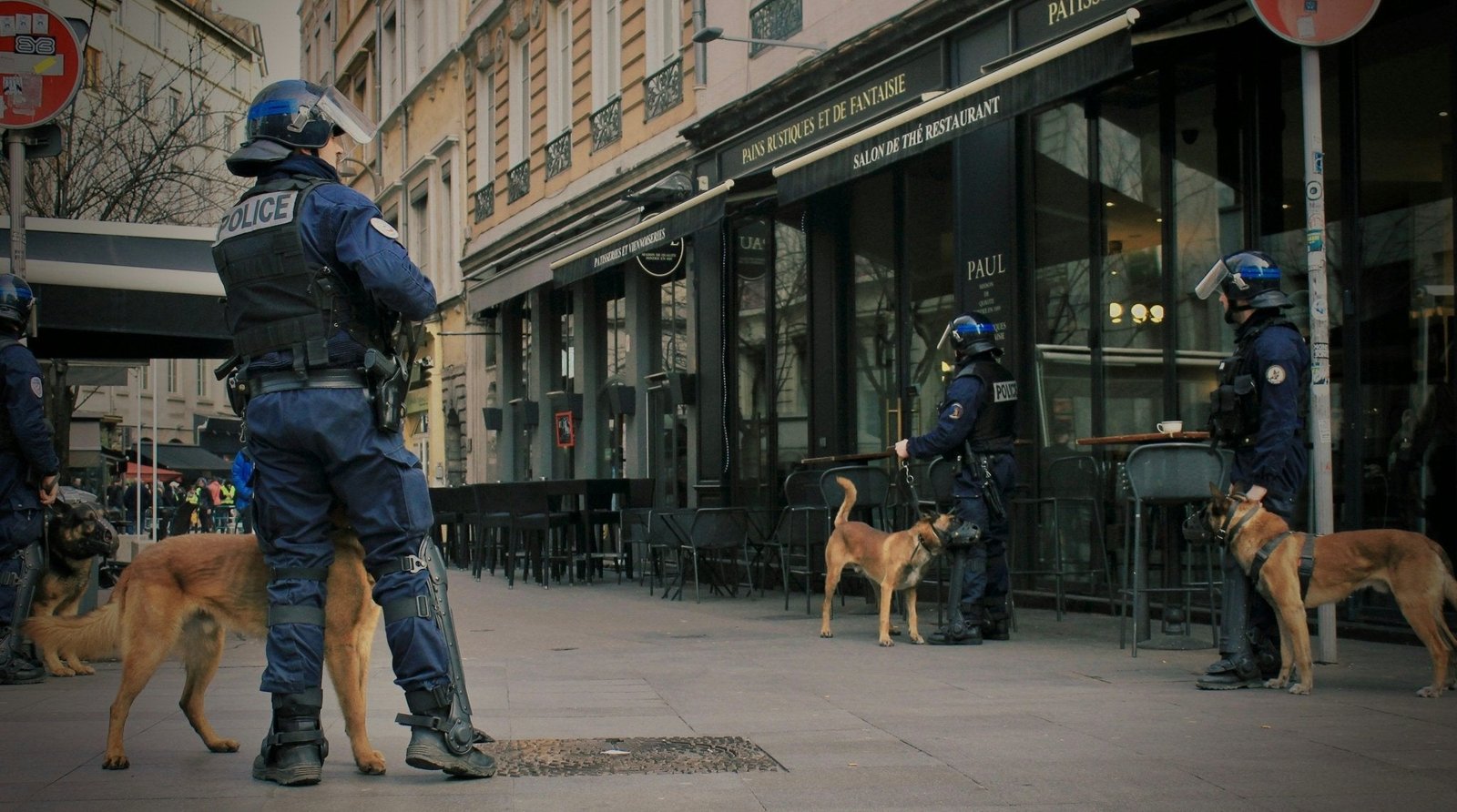
Police dogs, commonly called K9s, rank among the most elite and expertly trained protection dogs worldwide. They play crucial roles in law enforcement, military missions, and search and rescue operations. Training a police dog demands dedication, time, consistency, and a solid grasp of canine behaviour. In this blog post, we’ll delve into how police dogs are trained, which breeds are best suited for these roles, and the typical timeframe to develop a puppy into a fully operational protection dog. For additional recall training advice, have a look at our guide.
What Are Police Dogs?
Police dogs are specially trained canines employed by law enforcement agencies to perform a range of tasks, including:
-
Detecting drugs or explosives
-
Tracking suspects or missing persons
-
Apprehending criminals
-
Protecting their handlers
-
Searching buildings and open areas
These dogs are not only highly skilled but also obedient, loyal, and capable of making split-second decisions under pressure.
What Makes a Good Police or Protection Dog?

Not every dog is suited to become a police dog. Certain qualities are crucial for success:
-
Strong drive and high energy levels
-
High intelligence and excellent problem-solving skills
-
Stable temperament and bravery
-
Exceptional sense of smell
-
Loyalty and eagerness to work
Best Dog Breeds for Police Work

Certain breeds naturally excel as protection dogs due to their physical and mental attributes. Here are the top breeds for police work:
1. German Shepherd
The most iconic police dog breed, known for intelligence, agility, and loyalty. German Shepherds are versatile and can be trained for nearly all law enforcement duties.
2. Belgian Malinois
Frequently used in military and elite police units, Belgian Malinois are fast, intense, and highly intelligent. They require handlers with experience.
3. Dutch Shepherd
Less well-known but equally capable, Dutch Shepherds are valued for their stamina and independence.
4. Rottweiler
Excellent for guarding and protection roles. Rottweilers are strong, courageous, and naturally protective.
5. Labrador Retriever
While not typical protection dogs, Labradors are widely used for detection tasks such as sniffing out explosives or drugs.
How Long Does It Take to Train a Police Dog?

The training duration varies depending on the tasks assigned to the police dog. On average, it takes 6 months to 2 years to fully train a police dog. Training usually starts when the dog is a young puppy and progresses through several stages:
Puppy Selection (0-8 weeks)
Breeding and early assessment to ensure puppies meet behavioural and physical criteria.
Basic Obedience Training (2-6 months)
Teaching commands such as sit, stay, heel, and come, with an emphasis on lead walking and socialisation.
Specialised Training (6-12 months+)
Depending on the dog’s intended role, this training may include:
-
Scent detection (drugs, explosives)
-
Tracking and search
-
Bite work and suspect apprehension
-
Protection and guarding
Certification and Testing
Before deployment, dogs must pass rigorous tests to certify them for active duty.
Reward-Based Play Matters Too:
Positive reinforcement is central to police dog training, and even elite working dogs need downtime with a favourite toy between sessions. An Automatic Ball Thrower For Dogs is a handy way to keep play and reward-based motivation going at home.

Training Stages: From Puppy to Police Dog
Stage 1: Imprinting and Socialisation
Beginning as early as 3 weeks old, puppies are introduced to various environments, sounds, and people to foster confidence.
Stage 2: Basic Obedience
Teaching fundamental commands and building respect for the handler, often using positive reinforcement.
Stage 3: Advanced Skills
Task-specific training tailored to the dog’s future role, including:
-
Tracking and trailing
-
Article search and retrieval
-
Controlled aggression (bite work)
-
Vehicle and room searches
Stage 4: Real-World Simulation
Training exercises replicate real-life scenarios, including loud noises, unpredictable suspects, and high-stress conditions.
Stage 5: Certification
Dogs must pass a certification test specific to their assigned task, such as narcotics detection, patrol, or explosives.
Role of the Handler in Police Dog Training

The bond between a police dog and its handler is vital. Handlers typically undergo months of training themselves and develop a close relationship with their dogs throughout the process.
-
Handlers study canine psychology
-
They learn to give commands and interpret canine behaviour
-
Handlers live and work closely with their dogs to build deep trust
Common Training Techniques Used
Positive Reinforcement
Rewarding correct behaviour with praise, toys, or treats.
Clicker Training
Frequently used in early training to mark desired actions.
Compulsion Training
A sometimes controversial method involving corrections, always balanced with rewards.
Targeting and Scent Work
Training dogs to associate specific scents with rewards or to follow scent trails.
Are Protection Dogs Different from Police Dogs?

Both yes and no. While all police dogs are protection dogs, not all protection dogs serve as police dogs. Protection dogs may also be trained for family safety, property guarding, or executive protection.
-
Police Dogs – Trained for specific law enforcement duties
-
Protection Dogs – Primarily trained for defense, often in civilian contexts
Life After Service: What Happens to Retired Police Dogs?
Police dogs typically retire between ages 8 and 10, depending on their health and workload. After retirement, they may:
-
Remain with their handler
-
Be adopted by civilians
-
Transition to less demanding roles, such as therapy work
Cost of Training a Police Dog
Training a fully capable police or protection dog can cost between £15,000 and £30,000, depending on breed, training specialisation, and the trainer’s expertise.
Can You Train a Police Dog at Home?
While basic protection training can be started at home, comprehensive police dog training requires professional programs, certified trainers, and often approval from police departments.
However, if you want to train a dog for personal protection, many professional trainers offer private or group lessons.
Summary: The Journey of a Police Dog
Training police dogs is both an art and a science. It requires time, patience, and a profound understanding of canine behaviour. The outcome is a disciplined, loyal, and highly skilled working dog capable of protecting, detecting, and serving with remarkable precision.
Whether it’s drug detection, suspect apprehension, or personal protection, police and protection dogs remain among the most valuable assets in law enforcement and security.
Frequently Asked Questions
Here are some common questions dog owners may have about this topic.
What key traits should a dog have to become an effective police protection dog?
An effective police protection dog needs a strong work drive, high intelligence, and excellent problem-solving abilities. They must also have a stable temperament, bravery, and a keen sense of smell. Loyalty and eagerness to work closely with their handler are equally important for success in police roles.
Which dog breeds are most commonly chosen for police protection duties and why?
German Shepherds and Belgian Malinois are the most common police protection breeds due to their intelligence, agility, and loyalty. Dutch Shepherds are prized for stamina and independence, while Rottweilers provide strength and natural guarding instincts. Labradors, although less typical in protection, excel in detection roles.
How long does it typically take to fully train a police dog from puppyhood?
Training a police dog generally takes between six months and two years, depending on the complexity of the tasks. The process starts early, selecting puppies with suitable traits, and advances through stages that develop obedience, specialised skills, and controlled protection behaviours.
What types of tasks can police dogs be trained to perform in law enforcement?
Police dogs can be trained to detect drugs or explosives, track suspects or missing persons, apprehend criminals, protect their handlers, and search buildings or open areas. Their training equips them to perform these roles with precision and under high-pressure situations.
Why is consistency and understanding of canine behaviour important in training police dogs?
Consistency ensures the dog learns commands and tasks reliably, while understanding canine behaviour helps trainers address individual needs and temperaments effectively. This approach builds trust and cooperation, enabling the dog to perform complex protection duties safely and confidently.