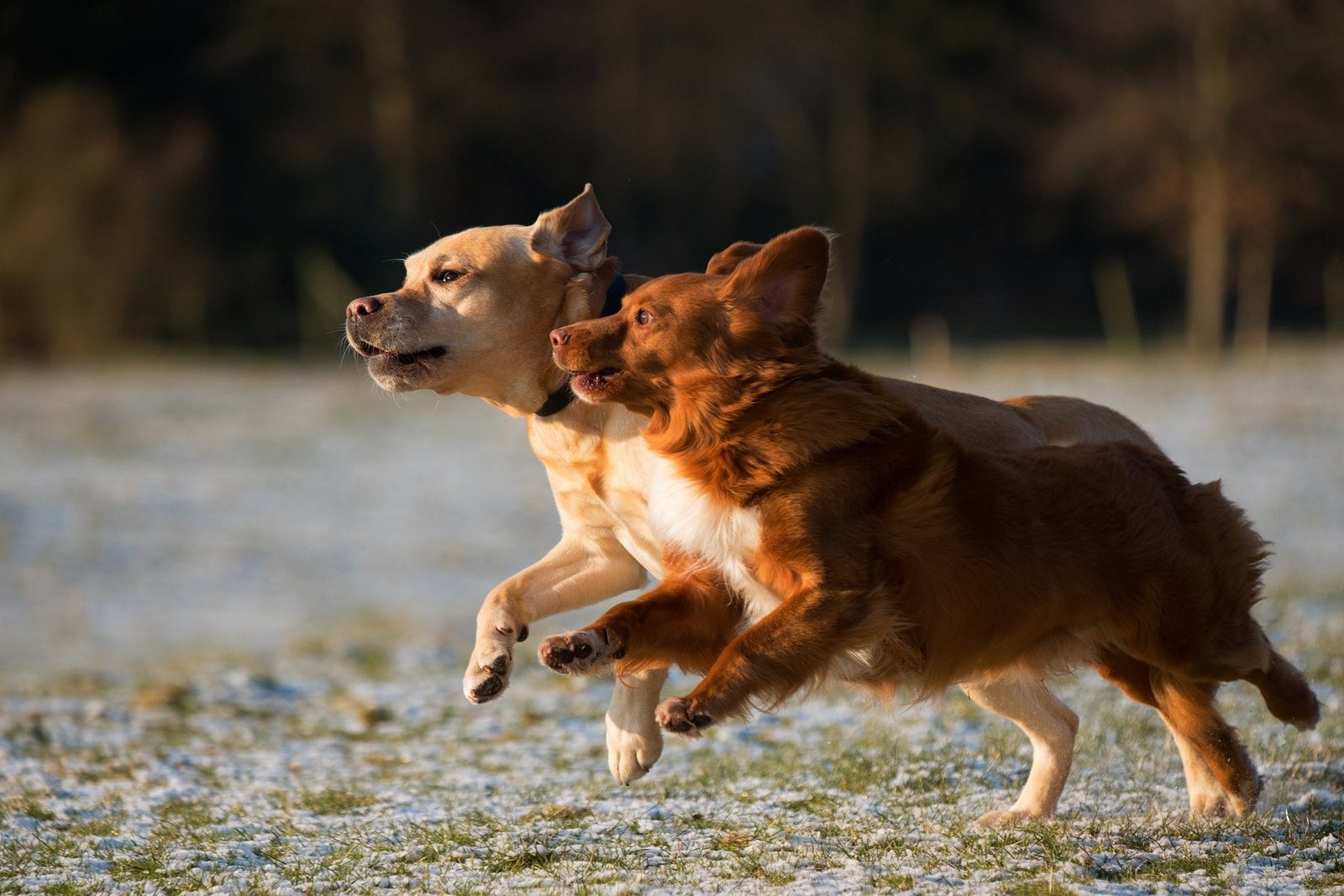

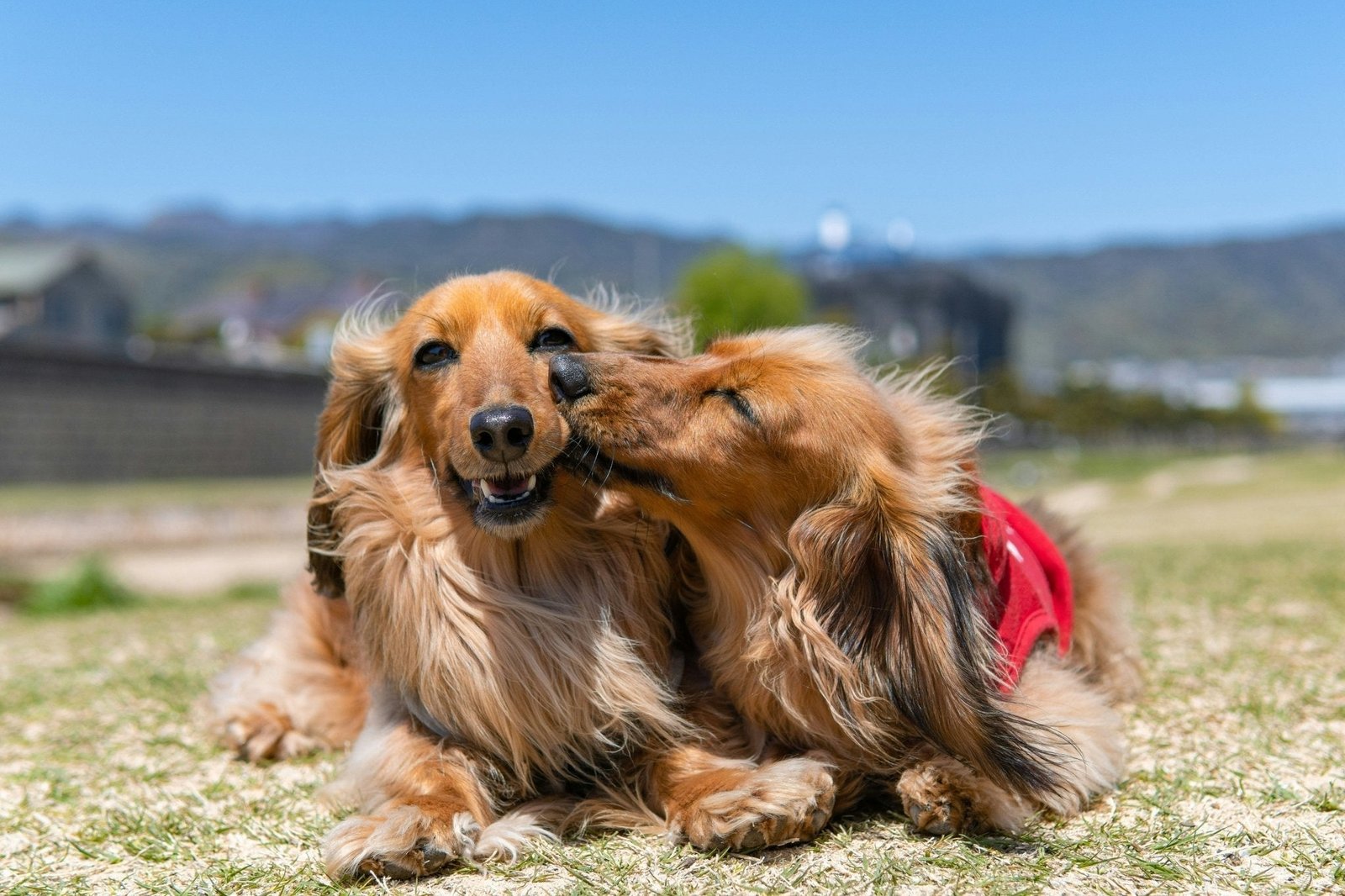
We all know dogs can show immense love toward humans—but what about their feelings for one another? Is love between dogs genuine, or merely a reflection of human emotions? Whether it’s two pups cuddling in the sun, gently grooming each other, or becoming distressed when apart, many dog owners attest to the emotional bonds dogs can share.
Let’s delve into what science, behaviourists, and real-life experiences reveal about the love between dogs, and how to identify (and nurture) that connection.
Do Dogs Feel Love?
Before exploring love between dogs, we need to ask: Can dogs feel love at all? Another common question is Does my dog love me?
Neuroscientists and veterinarians agree—they can. Dogs possess the same brain structures as humans that govern emotions. They release oxytocin, the hormone associated with bonding and affection, when interacting with their owners or other dogs.
In fact, a study from Emory University demonstrated that dogs experience positive emotions when they smell familiar humans and dogs. Their brains activate in the same regions linked to pleasure and love.
❤️ What Does Love Between Dogs Look Like?

Dogs don’t express affection with flowers or romantic dinners, but they display their love between dogs in instinctive, heartfelt ways. Here are some of the most common signs:
1. Cuddling or Sleeping Together
When dogs sleep touching or cuddling, it’s a clear sign of trust and affection. Puppies naturally pile up for warmth and security, and adult dogs often continue this behaviour with close companions.
2. Licking Each Other’s Faces
This goes beyond grooming—dogs lick those they share an emotional bond with. It mirrors the nurturing behaviour between puppies and their mothers during early life.
3. Playing Gently Together
Dogs that care for each other often develop a unique play language. You might see role reversals (taking turns chasing or pretending to lose) and soft mouthing.
4. Seeking Each Other Out
Bonded dogs look for one another when separated. Some may whine, pace, or wait by the door. Their joy upon reunion is often unmistakable.
5. Sharing Food, Toys, and Beds
Since dogs don’t naturally share easily, when one willingly lets another eat first or snuggles with their toy, it signals deep trust and connection.
6. Protective Behaviours
Some bonded dogs act protectively when their companion feels threatened or anxious, especially in unfamiliar surroundings.
What Science Says About Dog Bonds

Veterinary behaviourists describe this as “canine attachment bonding.” While it’s not identical to human romantic love, it represents a strong emotional connection based on trust, companionship, and mutual benefit.
In wild dog packs and among wolves (their ancestors), close social bonds are vital for survival. This instinct remains very much alive in our domestic dogs.
A 2015 study by the University of Tokyo revealed that dogs respond emotionally not only to their owners but also to other dogs—especially those they live with. Their oxytocin levels increased when spending time with familiar dogs, indicating an emotional reward.
Real-Life Examples of Love Between Dogs

1. Adopted Best Friends
Shelters often notice bonded pairs that must be adopted together. Dogs that have lived side-by-side, like Bella and Bubbles (a bulldog and an elephant!) at a U.S. sanctuary, display anxiety when separated and joy when reunited.
2. Grieving Dogs
Many owners report their dogs grieving the loss of a furry sibling. Signs include loss of appetite, whining, and disinterest in play—clear evidence of deep emotional pain.
3. Canine Co-Parents
Mated dogs raising puppies together often form close bonds. Males may lick the pups, share the nest, and even groom the mother—showing care beyond instinct.
Suggested Product:
Automatic Ball Thrower for Dogs

Does Every Dog Form Bonds with Other Dogs?
Not necessarily.
-
Socialisation: Dogs well-socialised from puppyhood are more likely to form bonds with other dogs.
-
Temperament: Like people, some dogs are introverted or selective about whom they trust.
-
Past Trauma: Rescue dogs may hesitate due to previous negative experiences but can still develop deep bonds over time.
That said, most dogs are pack-oriented by nature and will seek connection when given the opportunity.
How to Strengthen the Love Between Dogs

If you’re raising two or more dogs, you can foster bonding by creating the right environment:
-
Positive shared experiences: Take walks together, play group games like fetch or tug-of-war.
-
Avoid jealousy: Feed separately, give equal attention, and respect each dog’s personal space.
-
Encourage resting together: Shared cosy beds or overlapping resting spots build trust.
-
Monitor for imbalance: Ensure one dog isn’t bullying or dominating the other—affection should be mutual.
When Dogs Don’t Get Along
Unfortunately, not all dogs form loving bonds. If tension arises:
-
Introduce them gradually: Especially with adult dogs or rescues.
-
Use neutral territory: Walk them side-by-side before allowing them to share a home.
-
Watch body language: Growling, stiff posture, or avoidance may indicate problems.
-
Consult a trainer or behaviourist: Don’t force dogs into close quarters if they aren’t ready.
Final Thoughts: The Beauty of Love Between Dogs
So, is love between dogs real? The answer is a clear yes—although not in the same way humans define it. Dogs don’t write poetry or hold hands, but they form deep, loyal bonds founded on trust, care, and emotional connection.
As pet owners, witnessing this bond between our furry friends is one of the most rewarding experiences. Like human relationships, it develops over time through shared moments, mutual respect, and plenty of tail wags.
So next time you see your pups curled up together or playing gently, remember: you’re witnessing canine love in action.
Frequently Asked Questions
Here are some common questions dog owners may have about this topic.
Can dogs genuinely feel love towards each other?
Yes, dogs can feel genuine affection for one another. Scientific studies show that dogs release oxytocin, the bonding hormone, when interacting with familiar dogs. Their behaviours such as cuddling, licking, and seeking each other out indicate emotional bonds beyond simple social interaction.
What behaviours indicate a strong affectionate bond between dogs?
Common signs of affection between dogs include cuddling or sleeping close together, gentle licking of each other’s faces, playing softly with role reversals, sharing toys or food, and showing protective behaviours. These actions reflect trust, comfort, and emotional connection.
How can I tell if my dogs have a special bond?
If your dogs frequently seek one another out, show happiness when reunited, share their toys or beds, and engage in gentle, cooperative play, these are good indications of a strong bond. Protective behaviour during stressful times also signals deep attachment.
Is the love between dogs the same as human romantic love?
While dogs experience strong emotional bonds, their love is different from human romantic love. Canine affection centres on trust, companionship, and social bonding rather than romance. Veterinary behaviourists refer to this as canine attachment bonding.
How can I help nurture the affection between my dogs?
Encouraging shared activities like gentle play, allowing them to rest together, and providing opportunities for positive interactions can strengthen their bond. Avoid forcing interactions and observe their comfort levels to support a natural and healthy affectionate relationship.