
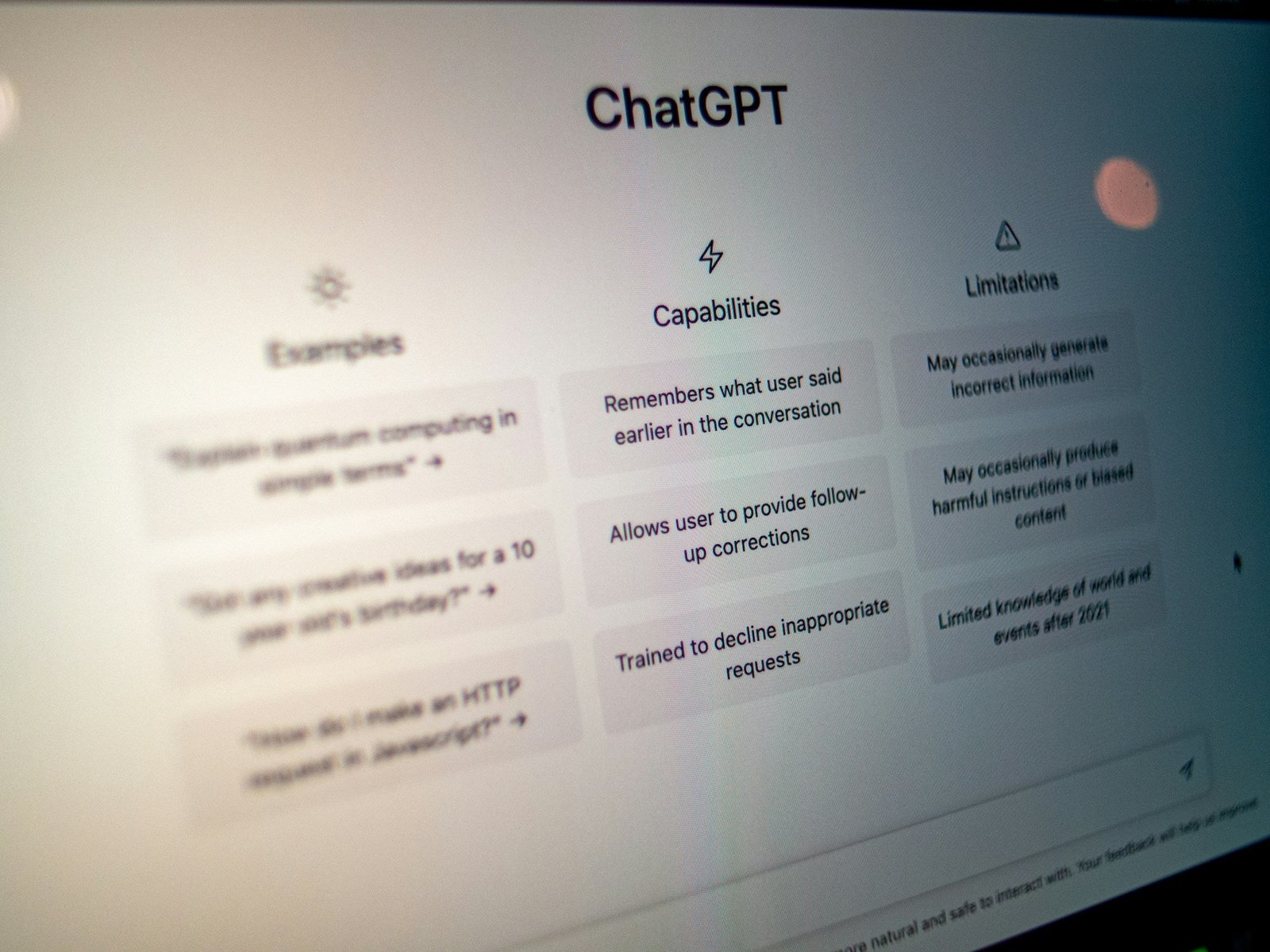
AI assistants excel at quickly explaining concepts, but when it comes to your dog-a unique individual with its own history, health, and emotions-how much can you truly depend on tools like ChatGPT? Here’s an objective overview of when AI is helpful, when it falls short, and how to effectively combine AI with reward-based training and expert guidance to achieve meaningful results.
Where AI genuinely shines
-
Quick clarifications: Curious about the difference between counter-conditioning and desensitisation? AI can translate jargon into simple terms and provide clear, step-by-step training outlines.
-
Training plans & reminders: Request a 7-day micro-plan for recall or loose-lead walking, featuring short, frequent practice sessions.
-
Reward ideas: Unsure what motivates your dog? AI can suggest reward options and strategies to enhance reinforcement in challenging settings.
-
Helpful checklists: Puppy socialisation tasks, vet visit preparations, or calming routines for grooming days (mat training, chew toys, brief car-ride practice).
“Humane attention cues for recall and ‘leave it'”

Where AI falls short (and why trainers remain essential)
-
No direct observation: Subtle body language-lip licking, weight shifts, intense stares-can change the training approach. A skilled trainer or behaviourist notices these instantly; AI cannot see them.
-
Context matters: A bark might signal fear, frustration, or learned attention-seeking. The appropriate response depends on the underlying cause. Generic advice risks making things worse.
-
Training plateaus: When progress stalls, professionals adjust criteria, reinforcement timing, and environment. AI can offer suggestions, but a human coach tests and adapts in real time.
-
Safety & welfare: Proper equipment fit, session duration, and stress limits require nuance. A trained professional ensures sessions remain humane and effective.
“Check out our appointment-prep checklist in the UK dog groomers guide“
Should I consult ChatGPT for veterinary or medical advice?
In short: No-not as a replacement for a vet. AI can provide general information summaries but cannot physically examine your dog or perform diagnostics. Urgent symptoms such as laboured breathing, collapse, repeated vomiting or diarrhoea, seizures, heatstroke, suspected toxin ingestion, bloat signs, or severe pain require immediate veterinary attention. For ongoing health issues (itchy skin, weight fluctuations, pain), schedule a vet visit and use AI only for clear, plain-English summaries of your vet’s advice afterwards.
How to use AI smartly for training (without shortcuts)

-
Provide a detailed description of your dog. Include age, breed type, history, triggers, where the behaviour occurs, and what you’ve already tried. Better input leads to better output.
-
Request a small, testable plan. For example: “Create a 5-minute daily recall schedule using a long line in a quiet field.”
-
Keep sessions brief and positive. Two to five minutes, several times a day. Always finish on a successful note.
-
Record your progress. Track response time, distance from triggers, and recovery speed. Share these notes with your trainer.
-
Consult a professional. Use your progress log to brief a reward-based trainer who can observe body language and tailor the plan accordingly.
Example: Using AI to improve recall safely
-
Stage 1 – Low distraction: Use a long line, one cue only (“Name → Come”), mark the moment your dog turns toward you, and reward at your knee.
-
Stage 2 – Mild distraction: Increase either distance or distraction, but not both simultaneously. Reward every successful turn-and-come.
-
Stage 3 – Real world: Introduce more challenging settings (park edges, parking lot borders), still on the long line. Give generous rewards, then release your dog to sniff-life rewards help maintain strong recall.
Ethics & equipment: keeping it humane
-
Avoid punishment. Tools that cause pain or fear may suppress behaviour temporarily but increase anxiety and risk negative consequences.
-
Use attention signals, not aversives. Gentle vibrations or citronella sprays can help your dog notice you in busy environments, but keep intensity low and always pair with positive reinforcement.
-
Proper fit is crucial. Ensure two fingers fit under the collar, check your dog’s skin and coat daily, and keep training sessions brief.
When to stop relying on AI and consult a professional

-
Aggression or bite risk (growling, snapping, guarding).
-
Separation-related distress (howling, destruction, panic).
-
Phobias (fireworks, thunder) and sudden behaviour changes (possible pain).
-
Multi-dog tensions and resource guarding around children.
These issues require a qualified behaviour professional, often working alongside your vet.
Quick FAQ
Can AI replace a trainer?
No. AI is a useful assistant for generating drafts and reminders but cannot substitute for skilled observation and precise timing.
What if AI advice conflicts with my trainer’s plan?
Always follow your trainer’s guidance. Share AI suggestions with them to determine which parts fit your dog’s plan-keep what works, discard the rest.
Is AI helpful for puppies?
Yes, for socialisation checklists, house-training schedules, and bite inhibition explanations. However, a well-run puppy class and real-world practice remain essential.
Last Bark
You can ask ChatGPT for dog advice-to clarify concepts, draft micro-plans, and obtain checklists-but use it as a support tool, not your sole coach or veterinarian. Combine AI with reward-based training, humane equipment, and (when necessary) a qualified professional dog trainer for the safest and quickest progress.
Frequently Asked Questions
Here are some common questions dog owners may have about this topic.
Can ChatGPT replace a professional dog trainer?
No, ChatGPT cannot replace a professional dog trainer. While it can offer basic training plans and explain concepts clearly, it lacks the ability to observe your dog's body language and adapt techniques in real time. Skilled trainers provide personalised guidance based on subtle behavioural cues that AI cannot detect.
Is it safe to ask ChatGPT for veterinary advice about my dog?
ChatGPT should not be used as a substitute for veterinary care. It can provide general information but cannot diagnose or examine your dog. For urgent or ongoing health concerns, always consult a qualified vet promptly to ensure your dog receives appropriate medical attention.
How can AI assist with dog training and behaviour management?
AI can help by breaking down complex training concepts into simple terms, offering short practice plans, suggesting reward ideas, and creating helpful checklists for socialisation or grooming preparation. It supports owners with structured guidance but should be combined with expert advice for best results.
What are the limitations of using AI like ChatGPT for dog behaviour issues?
AI cannot interpret the context behind behaviours such as barking or stress signals, which can vary widely in meaning. Generic advice might not address the root cause and could worsen issues. Human trainers evaluate context and adjust plans dynamically, which AI currently cannot do.
How can I use ChatGPT effectively without relying on it too much?
Use ChatGPT as a tool for clear explanations, reminders, and ideas, but always prioritise reward-based training and professional guidance. Avoid shortcuts by observing your dog’s responses closely and consulting experts when progress stalls or when facing complex behavioural or health challenges.