
How to Stop Puppy Biting: Your Essential Guide & When Do Puppies Stop Biting?
Bringing a new puppy home is a joyful experience filled with laughter and endless cuteness. Those tiny paws, wagging tail, and sweet puppy breath make it all feel like a dream. Then reality sets in—often in the form of sharp little puppy teeth! If you’re a new puppy parent, you’ve probably wondered: “How do I stop puppy biting?” and perhaps even more urgently, “When do puppies stop biting?”
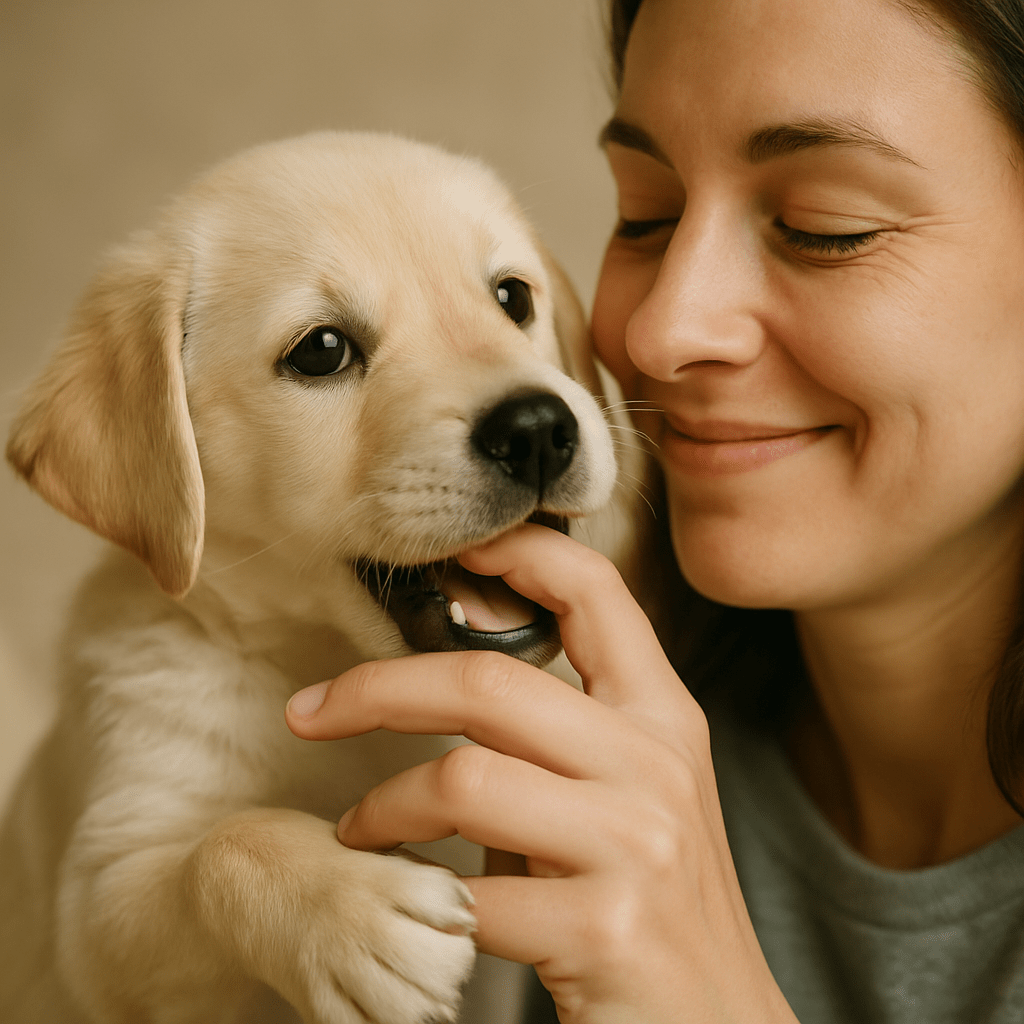
You’re not alone. The infamous “puppy shark” phase is a common rite of passage for nearly every puppy owner. Although it can be painful and frustrating, it’s a completely normal part of puppy development. Puppies explore their world with their mouths, much like human babies use their hands. The good news is that with patience, consistency, and the right techniques, you can effectively learn how to stop puppy biting. This comprehensive guide will provide you with everything you need to handle the nipping, understand the timeline for when do puppies stop biting, and raise a well-mannered, gentle adult dog.
Why Do Puppies Bite? Understanding the Root Cause of Puppy Nipping

Before exploring solutions for how to stop puppy biting, it’s important to understand why puppies bite. This behaviour isn’t aggressive; it’s a natural part of puppy development influenced by several key factors:
Exploration and Learning
Puppies don’t have hands or thumbs, so they use their mouths to explore their environment—including you! They mouth objects, furniture, and skin to discover textures, shapes, and what’s safe. This is a vital part of their sensory development.
Teething Discomfort
Just like human babies, puppies experience a teething phase. Their sharp baby teeth (deciduous teeth) emerge around 3-6 weeks of age and eventually fall out to make room for adult teeth between 3-6 months. This process can cause discomfort, and chewing helps relieve the pressure on their gums. During this time, nearly everything becomes a target for their itchy mouths, making how to stop puppy biting especially challenging.
Play and Socialisation
Puppies learn vital social skills through play biting within their litter. When one puppy bites too hard, the bitten puppy will yelp, causing play to pause. This immediate feedback teaches bite inhibition—the ability to control bite pressure to avoid causing pain. Puppies separated from their litter too early or lacking sufficient playtime with other puppies may miss these lessons, making it harder for you to teach how to stop puppy biting.
Lack of Bite Inhibition
Bite inhibition is the ability to moderate the force of a bite. Puppies are born without this skill and learn it through feedback from littermates (yelps, disengagement) and from us. Without proper guidance, even accidental nips from an adult dog can be painful.
Attention Seeking
Sometimes puppies learn that biting or nipping grabs your attention, even if it’s negative (like you yelping or pushing them away). For a puppy, any attention is often better than none, which can reinforce unwanted biting and make it harder to figure out how to stop puppy biting.
Over-stimulation or Tiredness
Like toddlers, puppies can become over-stimulated or overtired, resulting in nippy, frantic, or seemingly “aggressive” behaviour. They may not yet know how to self-regulate, and biting can be an outlet for excess energy or fatigue. Recognizing these signs is key to managing and preventing puppy biting.
When Do Puppies Stop Biting? The Timeline Explained

Knowing the typical timeline for when do puppies stop biting helps set realistic expectations and keeps you motivated through the challenging stages.
“Puppy Shark Week” (Around 8-16 Weeks Old)
This is usually the most intense biting phase. Your puppy is adjusting to a new home, exploring everything, and their needle-sharp baby teeth are fully present. This window is critical for teaching bite inhibition. The good news: this sharp phase typically doesn’t last long.
Teething Completion (Around 4-6 Months Old)
Between 12 and 16 weeks, puppies begin losing their baby teeth as adult teeth emerge, a process that continues until about 6 months. During this time, the urge to chew is strong, but the painful nipping with sharp baby teeth usually decreases as adult teeth—which are less needle-like—replace them. Once most adult teeth are in, you should see a significant reduction in painful nipping. This period often marks when puppies stop biting with intensity.
Adolescence (Around 6-12 Months Old)
By 6 months, painful puppy nipping should largely subside, though some mouthing or play biting might continue into adolescence, especially if bite inhibition wasn’t fully taught. Adolescent dogs may still use their mouths during play or excitement, but ideally, these interactions remain gentle and harmless. If you’re still asking how to stop puppy biting at this stage, it may indicate a need for more consistent reinforcement of training.
Full Bite Inhibition and Control (Ideally by 5-6 Months, Definitely by 8 Months)
With consistent training, your puppy should have a solid grasp of bite inhibition by 5 to 6 months. By 8 months, most puppies no longer bite or nip painfully. If biting persists beyond this age, it’s important to reassess your training approach or consult a professional certified dog trainer. The answer to when do puppies stop biting ultimately depends on your consistent efforts!
How to Stop Puppy Biting: Actionable Strategies for Success

Now for practical solutions! Learning how to stop puppy biting requires patience, consistency, and positive reinforcement. Here are the most effective strategies:
1. Teach Bite Inhibition: The “Yelp and Ignore” Method
This is one of the most fundamental lessons:
-
The Yelp: When your puppy bites your skin too hard, immediately let out a loud, high-pitched “YELP!” or “OW!”—just like a littermate would. This should startle your puppy.
-
Withdraw Attention (Reverse Time-out): Right after yelping, remove your hand (or the bitten body part) from their reach. Then stand up, turn your back, or even leave the room for 10-20 seconds. This teaches your puppy that hard biting ends the fun.
-
Re-engage Gently: After a short pause, return and resume play. If they bite hard again, repeat the process. The goal is for your puppy to learn that gentle mouthing is acceptable, but hard bites stop interaction.
Important: If your puppy becomes more excited or bites harder after the yelp, skip the yelp and immediately use the “Withdraw Attention” method only. Some puppies get more stimulated by the yelp.
2. Redirection: Provide Appropriate Chew Items
Puppies need to chew, especially during teething. Offer plenty of safe chew toys and redirect their biting impulses to these items. This is crucial for how to stop puppy biting.
-
Always Be Prepared: Keep chew toys accessible wherever you spend time with your puppy.
-
The Switch: When your puppy mouths you, calmly say “No” or “Toy,” then immediately offer a suitable chew toy. Praise enthusiastically when they take it (“Good chew!”) and give positive attention.
-
Variety is Key: Provide a range of textures—rubber, rope, dental chews, puzzle toys, and even frozen carrots or puppy-safe ice cubes for teething relief.
-
Enrichment Toys: Toys like Kongs stuffed with kibble or peanut butter (ensure no Xylitol!) can keep your puppy occupied and focused on appropriate chewing for longer periods.
3. Managing Play and Environment
How you play with your puppy greatly influences how to stop puppy biting.
-
Avoid Hand Play: Never use your hands as chew toys. This sends mixed signals and encourages biting. Use toys for interactive games like tug-of-war (with rules!) or fetch.
-
Use a Lead: When playing, keep a light lead on your puppy. If they get too nippy, calmly step on the lead (without pulling) to prevent jumping or biting, or gently guide them to a time-out spot.
-
Supervised Socialisation: Controlled playdates with calm, vaccinated adult dogs or puppies are invaluable. Other dogs naturally teach bite inhibition, just like littermates. Always supervise to ensure safe play.
-
Adequate Exercise and Mental Stimulation: A tired puppy is often a well-behaved puppy. Provide enough age- and breed-appropriate physical exercise, along with mental challenges like training sessions, puzzle toys, and scent games. Nipping often signals pent-up energy or boredom.
-
Recognise Over-stimulation/Tiredness: If your puppy suddenly becomes extra nippy, frantic, or starts “zoomies,” they might be overtired or over-stimulated. Like children, they need naps! Calmly guide them to their crate or a quiet space for rest — a crate they already associate with switching off makes this far easier. Learning how to stop puppy biting often means knowing when they need a break.
4. Positive Reinforcement for Calmness
Reward the behaviours you want to encourage!
-
Reward Calmness: When your puppy plays gently or lies calmly beside you without mouthing, quietly praise them, offer a gentle stroke, or give a treat.
-
Teach “Off” or “Leave It”: These commands are invaluable. Practise regularly, rewarding your puppy for disengaging from objects or your hand when asked.
5. Avoid Punishment
Harsh punishment, scolding, hitting, or alpha rolls (forcing a puppy onto its back) are counterproductive and harmful.
-
Fear and Anxiety: Punishment can make your puppy fearful of you, damaging your bond.
-
Aggression: It can encourage a puppy to defend themselves aggressively, worsening the biting problem instead of solving it.
-
Lack of Learning: Punishment doesn’t teach what to do, only what not to do, often only in your presence.
Focus instead on redirecting, managing, and rewarding positive behaviour.
Beyond Biting: Socialisation and Ongoing Training

Mastering how to stop puppy biting is a major milestone, but it’s just one part of raising a well-adjusted dog. Continue positive socialisation by exposing your puppy to new sights, sounds, people, and well-mannered dogs in a positive way.
Enrolling in puppy classes is highly recommended. These classes provide a structured environment for learning basic obedience and offer invaluable socialisation opportunities alongside professional guidance on managing common puppy behaviours, including persistent mouthing. Consistent training among all family members is essential to ensure everyone uses the same commands and expectations.
Your Puppy’s Journey: A Path to Gentle Paws
The puppy biting phase can challenge your patience, but it is temporary. By understanding why your puppy bites, knowing the typical timeline for when do puppies stop biting, and applying consistent, positive training methods, you will successfully guide your furry companion toward gentle mouthing and appropriate play.
Remember, your puppy isn’t trying to be naughty; they’re learning. With your patience, guidance, and plenty of love, those sharp puppy teeth will soon be a distant memory, replaced by the soft mouth of a well-behaved, loving friend. Keep up the great work!
If you have other questions, such as how to potty train a puppy or where to find vets near you, we’ve covered both separately.
Has our guide helped you understand how to stop puppy biting or surprised you with insights on when do puppies stop biting? Share your puppy’s journey or your best tips in the comments below!
Frequently Asked Questions
Here are some common questions dog owners may have about this topic.
What exactly is the 'puppy shark phase' in puppy biting?
The 'puppy shark phase' refers to the stage when puppies bite and nip frequently, often using sharp baby teeth. This phase is a natural part of their development, usually linked to teething and exploration, and can be challenging for new owners due to the puppy’s sharp bites and playful mouthing.
Why do puppies bite so much during their early months?
Puppies bite to explore their environment and relieve teething discomfort. Since they lack hands, their mouths serve as tools for learning about textures and shapes. Additionally, biting plays a crucial role in socialisation and teaching bite inhibition through interactions with their littermates.
When can I expect my puppy to stop biting aggressively?
Most puppies begin to reduce biting as they mature, typically between three to six months of age, once they develop better bite control and their adult teeth come through. Consistent training and socialisation during this time help speed up the process and encourage gentle behaviour.
How can I effectively stop my puppy from biting without causing fear?
To stop biting, use gentle but firm redirection to appropriate chew toys and avoid harsh punishment. Consistency and patience are key, along with teaching bite inhibition through positive reinforcement and providing plenty of suitable items for chewing, especially during the teething phase.
What should I do if my puppy missed early socialisation and bites hard?
If a puppy missed early litter socialisation, it may struggle with bite inhibition. In this case, increased supervised play with well-mannered dogs, training sessions focusing on bite control, and seeking advice from a professional trainer can help teach your puppy to manage their biting appropriately.