

Banishing the Bounce: A Comprehensive Guide on What to Do When Your Dog Has Fleas
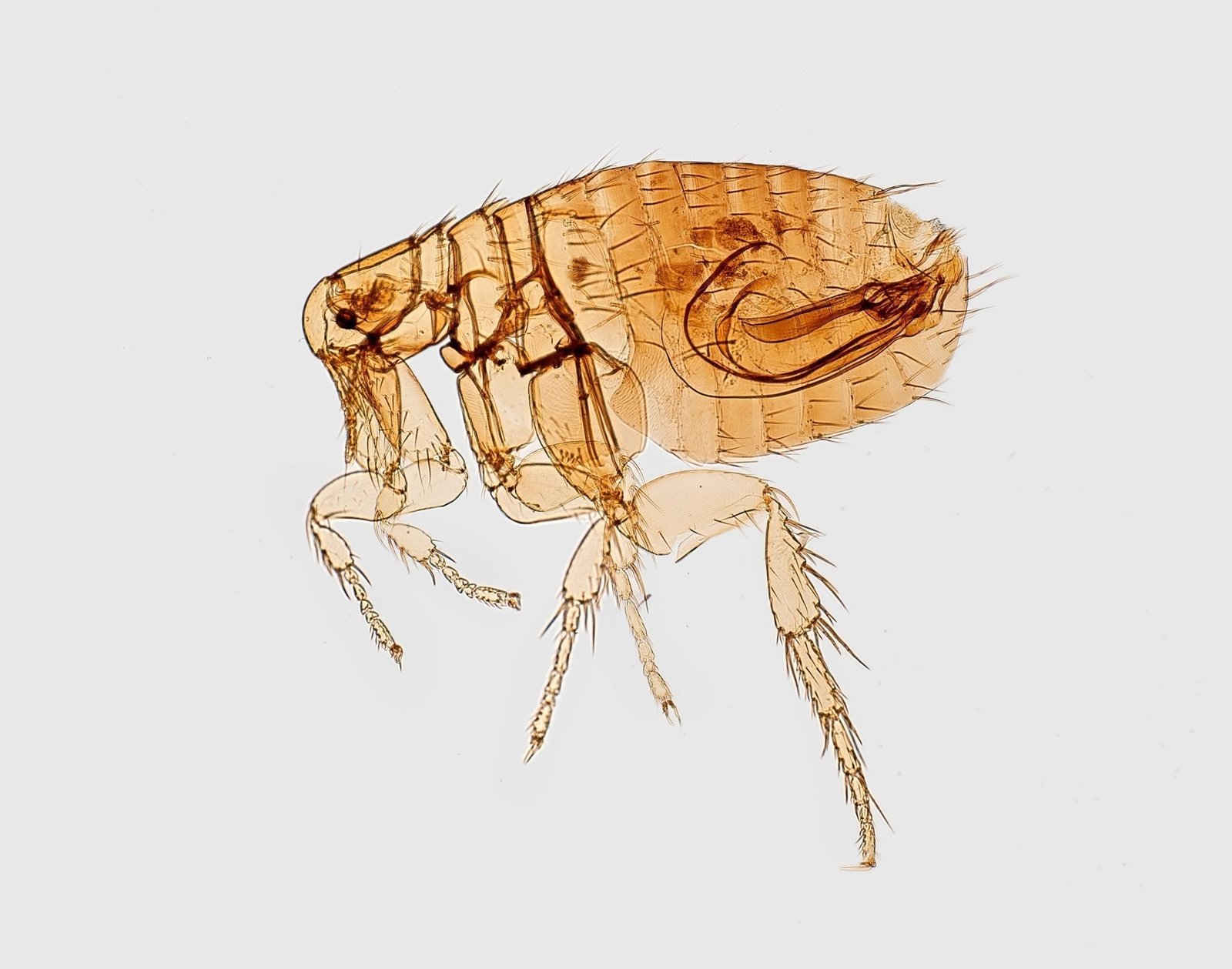
Fleas are an irritating pest that can make your furry companion’s life uncomfortable and itchy. As a responsible pet owner, it’s vital to address the problem quickly and effectively. In this detailed guide, we’ll walk you through the necessary steps to take when your dog has fleas, ensuring their comfort and your peace of mind.
Identifying Fleas:
The first step in managing a flea infestation is confirming the presence of these tiny pests. Watch for signs like excessive scratching, biting, or restlessness in your dog. You might also notice flea dirt-small black specks-in their fur or on their bedding.
Act Swiftly:
Fleas multiply quickly, so prompt treatment is crucial. Once you’ve dealt with the current infestation, it’s worth reading up on how to prevent fleas and ticks so you don’t end up back here. Delaying action can lead to a more severe and widespread infestation. Once you suspect fleas, respond immediately to minimize your dog’s discomfort.
Bath Time:
Give your dog a thorough bath using a high-quality flea shampoo. Make sure the shampoo is specifically formulated for dogs and safe for their skin. Work the shampoo into a rich lather, focusing especially on areas where fleas tend to gather, such as the neck, back, and tail.
Combating Fleas in the Home:
Fleas don’t just affect your pet-they can infest your home as well. Here’s how to tackle them:
-
Wash Bedding: Wash your dog’s bedding, toys, and any other washable items in hot water. The heat will help eliminate fleas at all stages of their life cycle.
-
Vacuum Thoroughly: Vacuum your home thoroughly, focusing on areas where your dog spends time. Dispose of the vacuum bag or empty the canister outside to prevent fleas from returning.
-
Use Flea Treatments for Your Home: Consider applying flea treatments designed for home use, such as sprays or powders. These products help eliminate fleas in your environment and disrupt their life cycle.
Consult Your Vet:
If the infestation continues or your dog experiences a severe reaction to flea bites, it’s important to consult your veterinarian. They can recommend effective prescription treatments, including oral medications or spot-on solutions, tailored to your dog’s specific needs.
Preventative Measures:
Preventing future flea problems is just as important as treating the current infestation. Consider these preventative steps:
-
Regular Grooming: Maintain a consistent grooming routine, including brushing your dog’s coat to help remove fleas and their eggs.
-
Use Flea Prevention Products: Invest in quality flea prevention products recommended by your vet. These may include topical treatments, oral medications, or collars designed to repel fleas.
-
Maintain a Clean Environment: Regularly clean and vacuum your home to reduce the chance of fleas settling in.
Natural Remedies:
For those who prefer natural approaches, here are some options to consider:
-
Diatomaceous Earth: Sprinkle food-grade diatomaceous earth on carpets and bedding. This natural substance is safe for pets but deadly to fleas.
-
Essential Oils: Certain essential oils, such as lavender, citronella, and eucalyptus, are known for their flea-repelling properties. Use them carefully, diluted, and always under your vet’s guidance.
Frequently Asked Questions
Here are some common questions dog owners may have about this topic.
How can I tell if my dog has fleas?
Look for signs like excessive scratching, biting, or restlessness. You might also spot small black specks known as flea dirt in your dog’s fur or on their bedding. These indicators suggest your dog may have a flea infestation that needs addressing.
What is the best immediate action when I find fleas on my dog?
Act quickly by giving your dog a bath using a flea shampoo specifically designed for dogs. Focus on areas where fleas often gather, such as the neck, back, and tail. Prompt treatment helps reduce discomfort and prevents the infestation from worsening.
How should I treat my home to get rid of fleas?
Wash your dog’s bedding and any washable toys in hot water to kill fleas at all stages. Vacuum areas your dog frequents thoroughly and dispose of the vacuum contents outside. You can also use home flea sprays or powders to interrupt the flea life cycle.
When should I see a vet about my dog’s fleas?
If your dog continues to have fleas despite treatment, or if they suffer from severe reactions like skin irritation or allergic responses, consult your vet. They can suggest prescription treatments such as oral medications or spot-on products tailored to your dog.
What are effective ways to prevent future flea infestations?
Maintain regular grooming to help remove fleas and eggs from your dog’s coat. Use vet-recommended flea prevention products, including topical treatments, oral medications, or collars. Keeping up with these measures reduces the chance of fleas returning.