

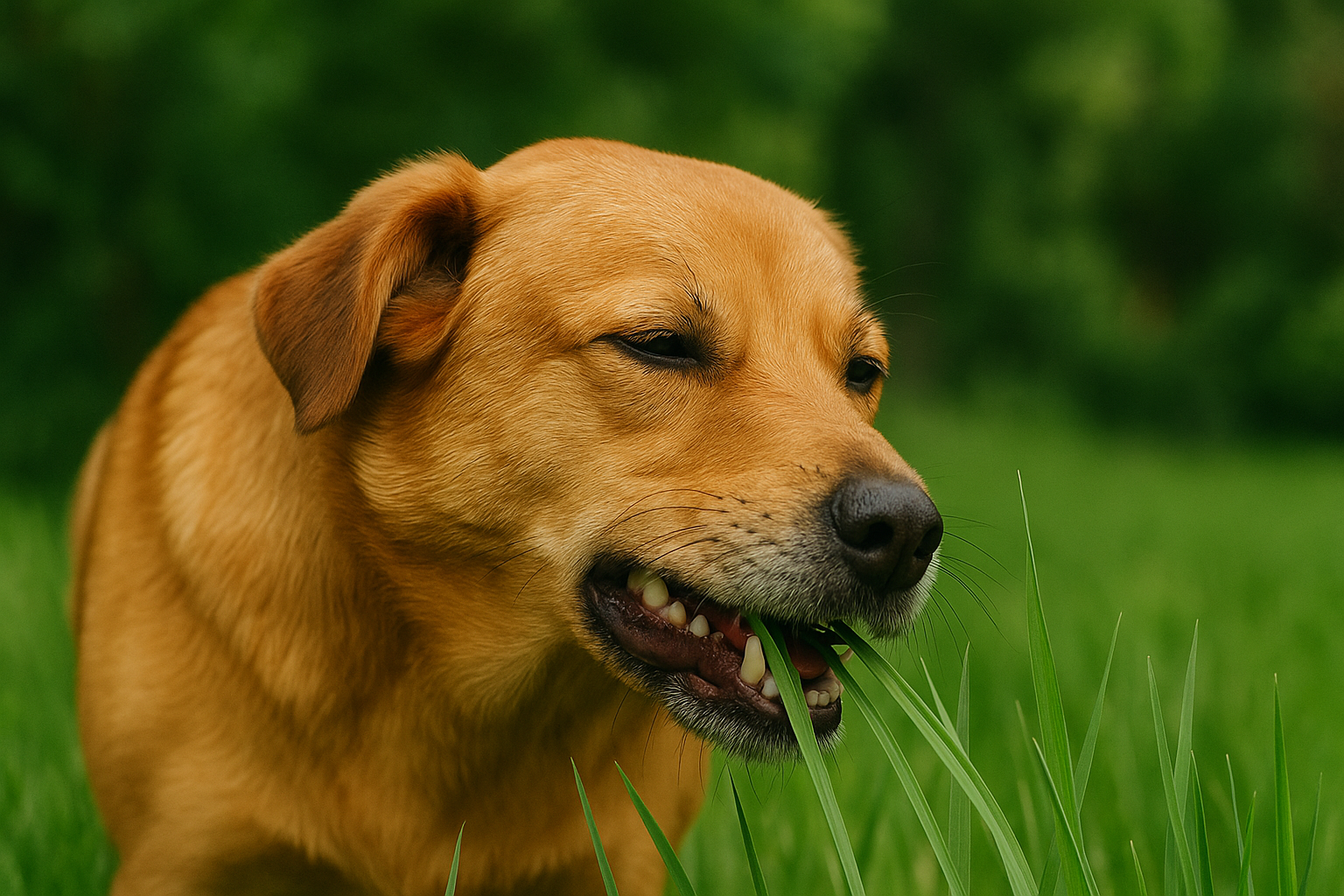
Most dog owners have likely witnessed their furry companion nibbling on grass at some point and wondered, “Why do dogs eat grass?” This unusual behavior often raises curiosity, confusion, and sometimes concern among pet parents. Should you be worried, or is it simply a natural canine trait? In this detailed guide, we explore the reasons behind this grassy habit, providing useful insights to help you better understand and care for your cherished pet.
Why Do Dogs Eat Grass?

Grass eating by dogs is quite common and usually harmless. Here are some of the main explanations:
1. Natural Instinct
One widely accepted theory is that eating grass is an instinctual behavior inherited from their wild ancestors. Wild canines consumed grass to supplement their diets, gain nutrients, or induce vomiting if they had ingested something harmful. Although domesticated dogs receive nutritionally balanced meals, their instincts may still drive them to nibble on grass.
2. Dietary Needs
Dogs may eat grass to meet certain nutritional needs. Grass contains fiber, vitamins, and minerals that can support your dog’s digestive health. If their diet lacks sufficient fiber, dogs might instinctively turn to grass to fill that gap.
3. Digestive Aid
Some dogs consume grass to relieve digestive discomfort. Eating grass can trigger vomiting when they feel nauseous or have an upset stomach. If your dog frequently eats grass and then vomits, it might indicate an underlying digestive problem that requires veterinary attention.
4. Boredom and Anxiety
Occasionally, dogs eat grass out of boredom or anxiety. Much like humans, dogs may engage in repetitive behaviors when stressed, anxious, or understimulated. Grass eating can serve as a way to release pent-up energy or frustration.
Is Eating Grass Safe for Dogs?

In most cases, occasional grass eating is safe and natural. However, there are situations where it can pose risks:
-
Pesticides and Chemicals: Grass treated with herbicides or pesticides can be harmful if ingested by your dog. Always ensure that the grass your dog accesses is free from chemical treatments.
-
Intestinal Obstructions: Eating large amounts of grass could potentially cause gastrointestinal blockages. Keep an eye on your dog’s grass-eating habits to prevent excessive consumption.
How to Respond to Your Dog Eating Grass

Knowing why dogs eat grass can help you manage this behavior more effectively:
1. Improve Their Diet
Make sure your dog’s diet is well-balanced and rich in fiber. Incorporating vegetables like carrots or pumpkin into their meals can help meet their nutritional needs and may reduce their urge to eat grass.
2. Provide Mental and Physical Stimulation
Keep your dog engaged with regular exercise and playtime. Mental stimulation through puzzle toys or interactive games can help prevent boredom and anxiety-related grass eating.
3. Ensure Regular Veterinary Check-ups

Routine veterinary visits can help identify any underlying health issues that might prompt grass eating, such as gastrointestinal problems or nutrient deficiencies.
Common Myths About Dogs Eating Grass
Several myths surround this behavior. Let’s clear up a few common misunderstandings:
Myth 1: Dogs Eat Grass Only When Sick
Although some dogs may eat grass to alleviate stomach discomfort, many do so even when perfectly healthy. Studies show that less than 25% of dogs vomit after eating grass, indicating it’s not always linked to illness.
Myth 2: Dogs Eat Grass Because They’re Hungry
Dogs on balanced diets also eat grass, disproving the idea that hunger causes this behavior. Often, dogs simply enjoy the taste or texture of grass.
Signs Your Dog’s Grass-Eating is Problematic

It’s important to recognize when grass eating might indicate a problem. Watch for these warning signs:
-
Frequent vomiting after eating grass
-
Sudden increase in grass consumption
-
Lethargy or other signs of illness alongside grass eating
-
Diarrhea or constipation
If you notice any of these symptoms, consult your veterinarian promptly.
Expert Opinions on Dogs Eating Grass
Veterinarians and animal behaviorists generally agree that occasional grass eating is a normal part of canine behavior. Dr. Nicholas Dodman, a veterinary behaviorist, explains that grass eating is mostly harmless and may offer both psychological and physiological benefits.
Nevertheless, Dr. Dodman recommends that pet owners observe the context and frequency of this behavior. If grass eating is accompanied by symptoms such as vomiting or diarrhea, seeking professional veterinary advice is important.
Final Thoughts

Understanding why dogs eat grass can help you better support your pet’s health and happiness. Typically, grass eating is harmless and instinctive. Our Calming Dog treats are an excellent option if your dog needs some well-deserved relaxation. Still, responsible pet ownership means monitoring this behavior for any signs of concern and providing appropriate alternatives or supplements as needed.
Whether driven by curiosity, nutritional needs, or instinct, grass eating is yet another intriguing aspect of canine behavior that deepens our appreciation for man’s best friend.
Frequently Asked Questions
Here are some common questions dog owners may have about this topic.
Is it normal for dogs to eat grass?
Yes, eating grass is a fairly common behaviour among dogs and is usually harmless. It can be an instinctual trait inherited from wild ancestors or a way to supplement their diet with extra fibre and nutrients.
Can eating grass help my dog’s digestion?
Some dogs eat grass to aid digestion or relieve stomach discomfort. Grass can sometimes induce vomiting if they’ve ingested something upsetting, so this behaviour might be a natural way to manage minor digestive issues.
Should I be worried if my dog eats grass frequently?
Frequent grass eating followed by vomiting could indicate an underlying health problem. If your dog often vomits after eating grass or shows other signs of illness, it’s best to consult your vet for advice.
How can I reduce my dog’s grass eating caused by boredom or anxiety?
Grass eating linked to boredom or anxiety can be managed by providing more mental and physical stimulation. Regular exercise, engaging toys, and interactive play sessions help reduce stress and keep your dog occupied.
Is eating grass ever dangerous for dogs?
Eating grass is generally safe, but risks arise if the grass has been treated with pesticides or herbicides. Also, excessive consumption might cause gastrointestinal blockages, so monitor your dog’s behaviour and ensure they avoid chemically treated areas.