

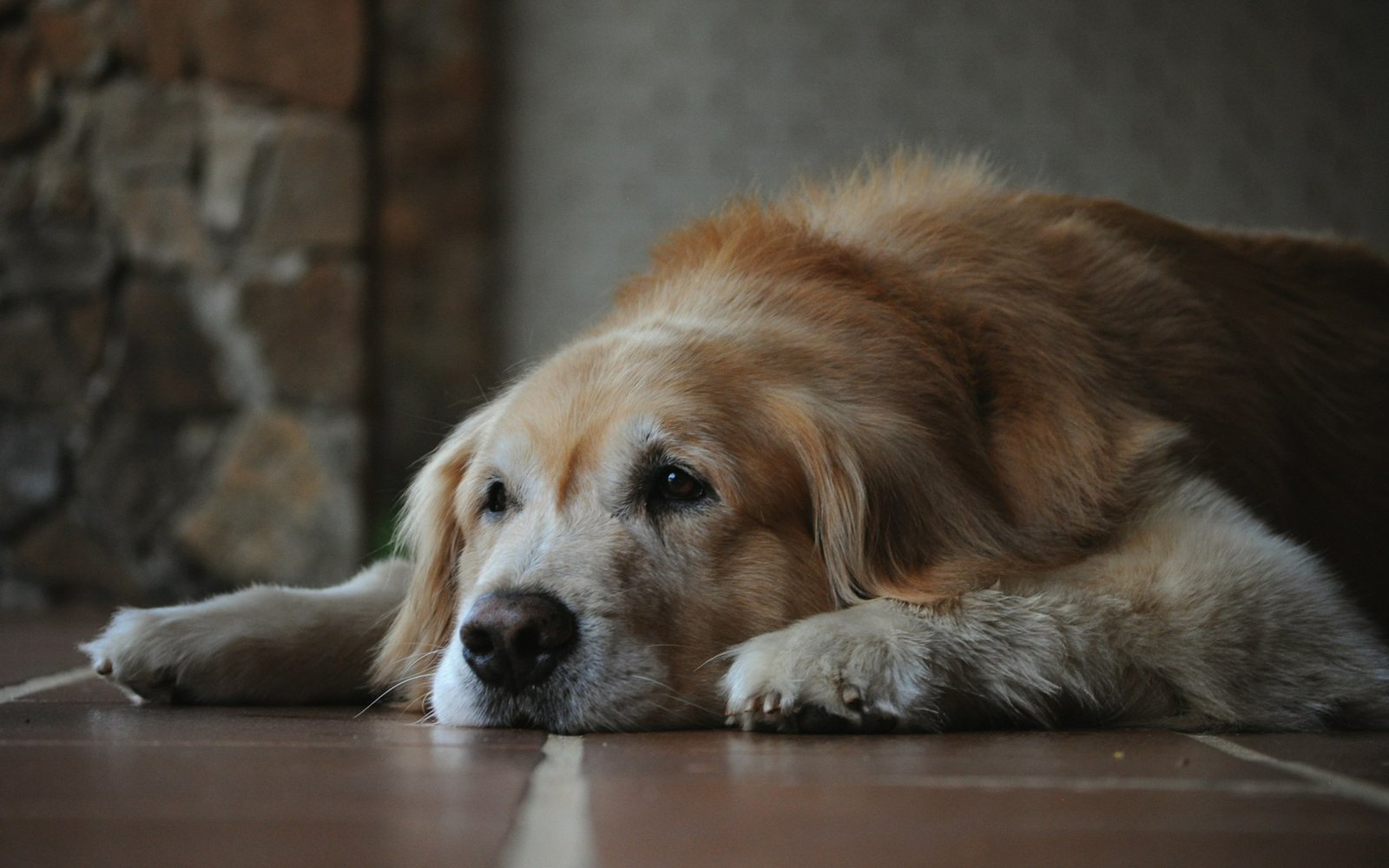
Yes, dogs can have dementia. Vets call it canine cognitive dysfunction (CCD), and it is a slow, age-related decline in how the brain works, with clear similarities to Alzheimer’s disease in people. It can’t be cured, but if you spot it early and work with your vet, you can do a lot to help manage the signs.
If your older dog has started pacing at night, staring at walls or having accidents indoors, you’re not imagining it, and you’re not alone.
Can dogs have dementia? What vets mean by it
Canine cognitive dysfunction, sometimes called cognitive dysfunction syndrome (CDS), is what vets call a neurodegenerative condition. In plain words, that means parts of the brain slowly wear down as a dog gets older.
I’ve known plenty of older dogs over the years, and Figo, my cocker spaniel, isn’t getting any younger either. So this is something I’ve read up on as an owner thinking ahead. The thing that struck me most is how gradual it is. Signs usually start from around eight or nine years old, often with just one or two small changes, and then build slowly over time.
That slow start is exactly why it gets missed.
How common is it?
More common than many owners realise. Surveys suggest that somewhere between 14% and 22.5% of dogs over eight show signs of cognitive impairment, according to figures reported from the AAHA 2023 Senior Care Guidelines.
A 2023 article in Vet Focus, written by authors from the University of Lincoln, put the share of elderly dogs showing at least one sign higher still, at between 22.5% and 68%. But, and this matters, showing a sign doesn’t mean a dog has dementia. Those same signs can come from other problems, such as long-term pain.
What worries me more is how rarely owners mention it. In one study, 75% of owners of dogs over seven reported at least one behaviour change consistent with CDS, yet only 12% had raised it with their vet. Many simply put it down to “just old age”.
Old age isn’t a diagnosis. If something has changed, it’s worth asking.
What raises the risk?
The biggest study I’ve come across is from the Dog Aging Project in the US. Published in Scientific Reports in 2022, it looked at 15,019 dogs. A few findings stood out:
- Age: once other factors were taken into account, the odds of CCD rose by 52% with every extra year of age.
- Activity: among dogs of the same age and health, dogs that were not active had 6.47 times the odds of CCD compared with very active dogs.
- Other health history: dogs with a history of neurological, eye or ear problems also had higher odds.
A word of caution on the activity finding. The study was a snapshot in time, so it doesn’t prove that a lack of exercise causes dementia. It may work the other way round: a dog whose brain is declining may simply become less active.
Signs of dementia in dogs: the DISHAA checklist
Vets use a screening questionnaire called DISHAA, developed by vet behaviourist Gary Landsberg. Each letter stands for a type of change to look out for. Here it is in plain words.
D – Disorientation
Your dog seems confused in familiar places. They might get stuck behind furniture or in corners, wait at the hinge side of a door instead of the side that opens, stare at walls or into space, or seem lost in the house or garden. Some stop recognising familiar people or pets.
I – Interactions change
Your dog’s relationships shift. They may lose interest in you or other pets, or go the other way and become very clingy. Some become more irritable, fearful or even snappy.
S – Sleep–wake changes
Your dog may be restless, pace at night, or bark or howl in the small hours, then sleep much more during the day.
H – House soiling
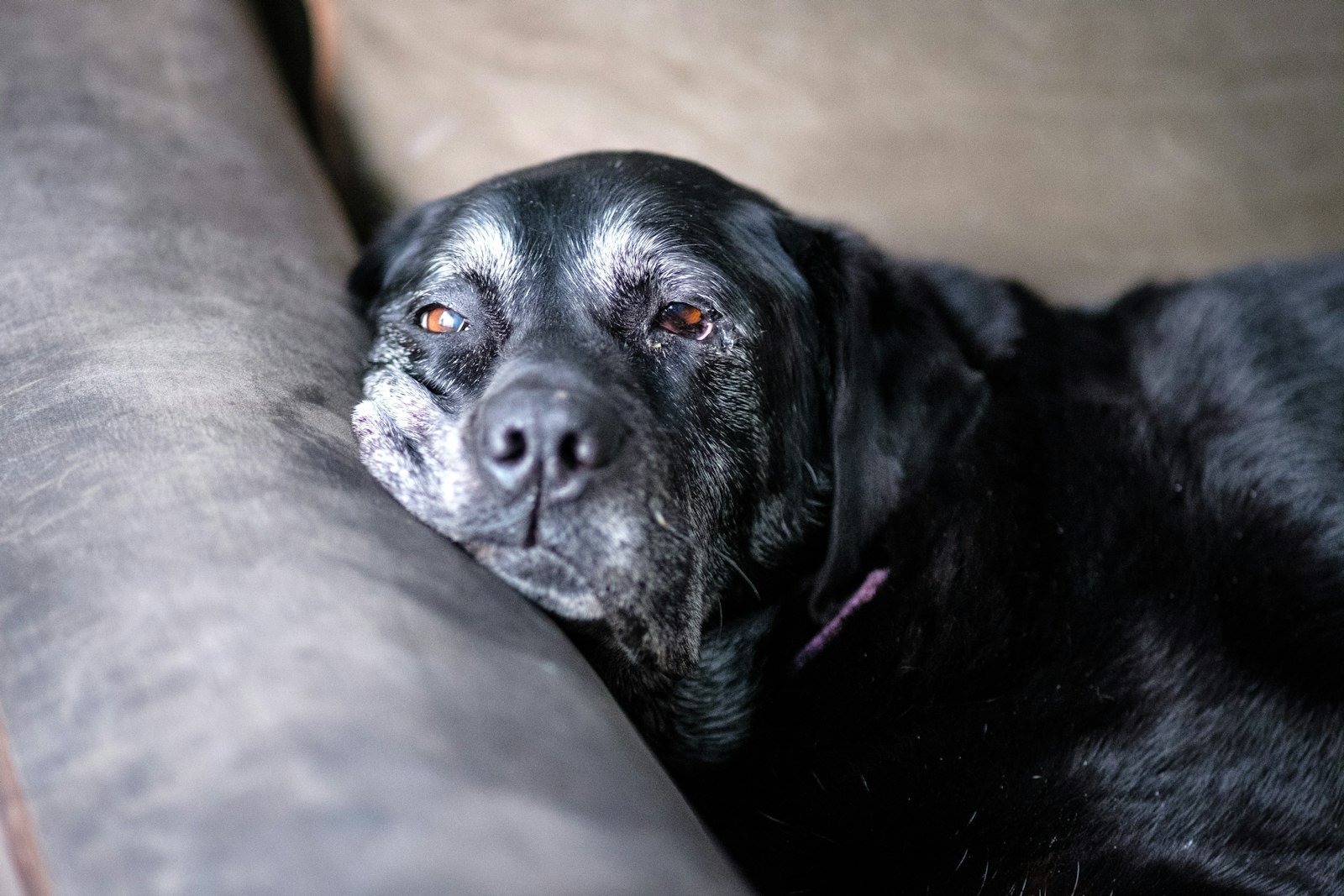
Accidents indoors from a dog who has been reliably house-trained for years. It can look as if they’ve simply forgotten.
A – Activity changes
Less interest in play or exploring on walks. Or the opposite: aimless wandering and repetitive pacing.
A – Anxiety
Your dog seems more anxious than before, for example when left alone or in new situations.
Some vets use an extended version, DISHAAL, which adds L for learning and memory.
Please treat this list as a guide, not a diagnosis. The DISHAA score helps you and your vet spot a pattern. It can’t tell you on its own what’s causing it.
What else could it be?
This is the bit I’d really ask you to take to heart. Lots of medical problems can cause changes that look just like dementia. The signs aren’t specific to CCD, which is why your vet will want to rule out other causes first. These include:
- Pain, such as arthritis.
- Sight loss.
- Hearing loss.
- Other illnesses that your vet can check for.
Getting the right answer matters, because the right help depends on the real cause.
What helps a dog with dementia?
CCD can’t be cured. But the Vet Focus authors are clear that spotting it early and acting on it can help manage the signs and improve the outlook. Here’s what that can look like.
Treatment from your vet
Only your vet can decide on medication, and everything below is prescription only. Options they may discuss include:
- Propentofylline (for example, Vitofyllin). In the UK it’s licensed to help with dullness, lethargy and overall demeanour in older dogs. It works by improving blood flow, including to the brain.
- Selegiline. In North America it’s used for cognitive decline in dogs. In Europe it’s licensed for emotional disorders, but your vet may still consider it.
Diet
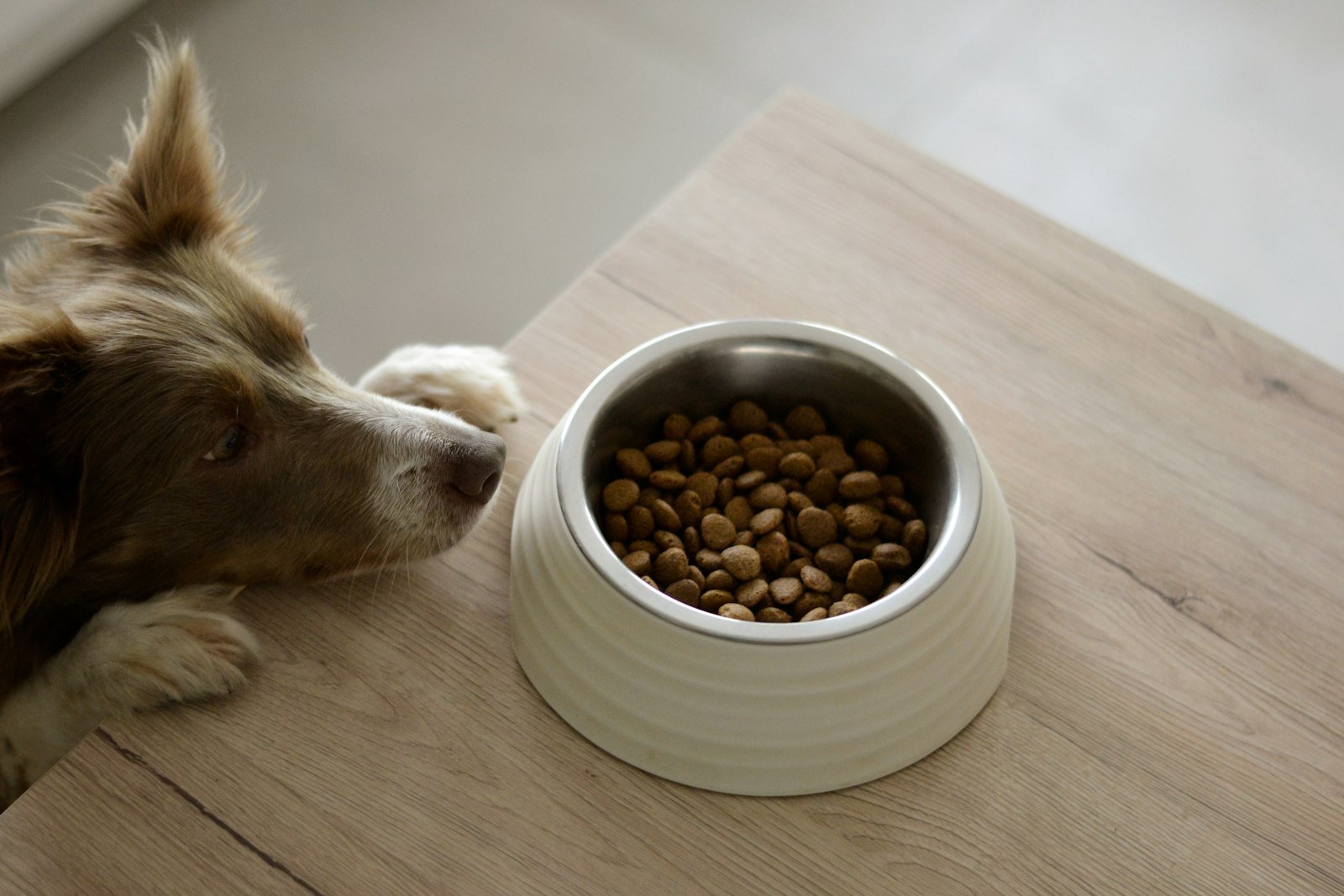
There are prescription and veterinary diets designed with brain ageing in mind, such as Hill’s b/d and Purina Pro Plan NeuroCare. Nutrients linked with brain support include antioxidants, omega-3 fatty acids and medium-chain triglycerides (MCTs, a type of fat). Ask your vet whether one of these suits your dog.
If you’re thinking about your older dog’s general nutrition, our guide on what vitamins to give your dog is a good place to start. I keep an eye on Calmshops’ natural dog vitamins and supplements for general senior wellbeing too, but to be clear, no supplement treats, prevents or cures dementia. Always check with your vet before adding anything new.
Keep their brain busy
Mental stimulation can help older dogs stay engaged. Try:
- Food puzzles and snuffle games
- Short sessions teaching a simple new trick
- A new toy now and then
Keep cues simple, reward generously, and stop while it’s still fun.
Gentle, regular exercise
Shorter, slower walks at their own pace, ideally at the same times each day.
Routine and patience
A predictable day helps a confused dog feel safe. Meals, walks and bedtime at roughly the same times each day. And lots of patience: they’re not being naughty, they’re struggling.
Small changes at home
- Keep furniture in the same place so they can find their way around.
- Use night lights so they’re less muddled after dark.
- Block off stairs and ponds.
- Keep their water bowl and bed easy to find.
- Add extra toilet trips, including a late-evening one before bed.
If your dog is anxious or restless, some owners find calming products helpful. Calmshops has a range of dog calming collars and treats aimed at general anxiety and restlessness. They aren’t a treatment for dementia, so do ask your vet first.
When to see your vet
Book an appointment if your dog is eight or older and you’ve noticed any of the DISHAA changes, especially if they’re new or getting worse. To make the most of the visit:
- Keep a diary. Note what happens, when, and how often. Night-time pacing at 3am every night is useful detail.
- Film it. A short video on your phone of an episode, like staring at a wall or getting stuck in a corner, can help your vet far more than a description.
- Run through the DISHAA list before you go and jot down which changes you’ve seen.
Owner notes and home videos genuinely make vet assessments more accurate. If you’re looking for a practice near you, our guide to finding the best vets near you links to local vet guides across England.
FAQs
Can dogs have dementia?
Yes. Vets call it canine cognitive dysfunction (CCD) or cognitive dysfunction syndrome (CDS). It’s an age-related decline in brain function with clear similarities to Alzheimer’s in people.
What are the first signs of dementia in dogs?
Signs usually start from around eight or nine, often with one or two changes such as pacing at night, staring at walls, getting stuck in corners or accidents indoors.
Is dementia in dogs curable?
No, but it can be managed. Early detection and your vet’s support, along with diet, routine, gentle exercise and brain games, can help ease the signs.
Why is my senior dog pacing at night?
Night-time pacing is one of the sleep–wake changes on the DISHAA checklist for dementia, but it can also be caused by pain, such as arthritis, or other health problems. Your vet can help work out the cause.
Is there a dog dementia treatment in the UK?
Your vet may discuss prescription-only options. In the UK, propentofylline (for example, Vitofyllin) is licensed to help with dullness, lethargy and overall demeanour in older dogs. Vets may also consider selegiline or a veterinary diet for brain ageing.
With love from me and Figo, and a gentle cuddle to your golden oldie. Georgiana x

