
Picking the right dog when you have children at home is one of those decisions that sounds straightforward and turns out to be anything but. The breed matters, but so does the individual dog, your household’s energy level, how old your children are, and how much time you can realistically put into training. This guide focuses on breeds that tend to do well in family settings — not because they’re guaranteed to be perfect, but because their general temperament, patience, and trainability give you a better starting position.
What makes a dog breed good with children?
There’s no single trait — it’s a cluster of things working together. The breeds that consistently fare well in family homes tend to share most of these characteristics:
- Genuine tolerance for unpredictable behaviour (and children are nothing if not unpredictable)
- A calm default state that doesn’t tip easily into anxiety or aggression
- Reasonably good trainability — a dog that learns quickly is easier to manage around kids
- Sociability — with people, with other animals, with noise and general chaos
- Energy that roughly matches what your household can sustain
That last point matters more than people expect. A high-energy working breed in a quiet flat with two school-age children who aren’t particularly outdoorsy is a recipe for a frustrated dog. Be honest about your lifestyle when you’re choosing.
Best dog breeds for families with children
Let’s look at some of the top breeds that consistently rank high for family compatibility and kid-friendliness.
1. Labrador Retriever
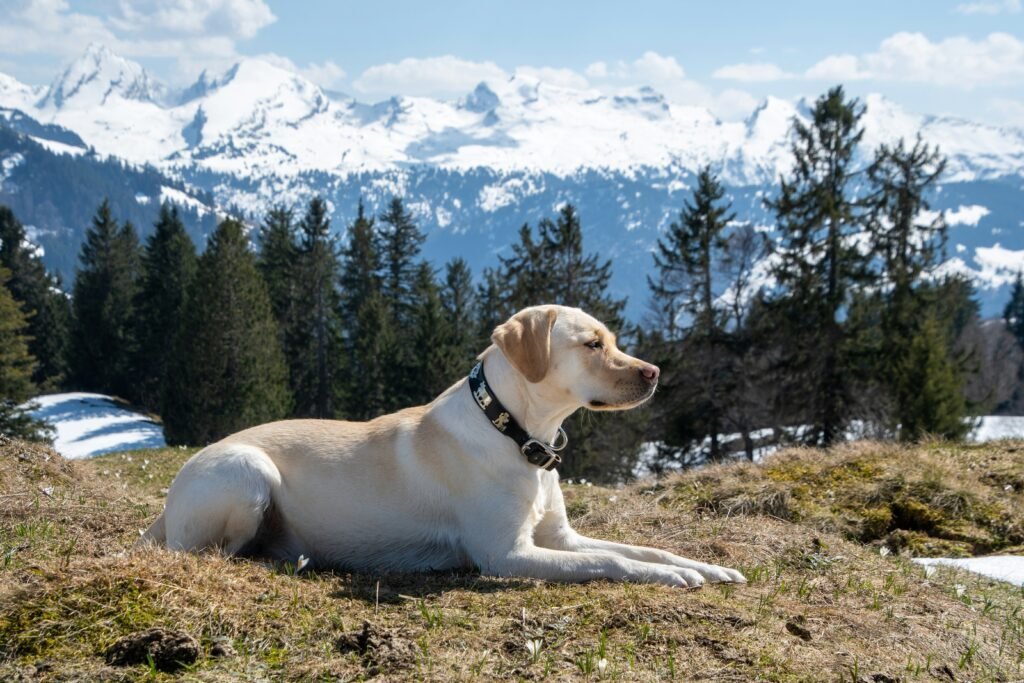
Personality: Friendly, patient, loyal
Size: Medium to large
Energy Level: High
The Lab tops almost every family dog list for good reasons. They’re genuinely affectionate rather than merely tolerant of children, they’re forgiving of the learning curve that comes with a family’s first dog, and they respond well to training. The flip side of all that energy and enthusiasm is that a young Lab can knock a small child over without meaning to — worth keeping in mind until they settle down around age two or three.
2. Golden Retriever

Personality: Calm, affectionate, intelligent
Size: Medium to large
Energy Level: Moderate to high
Goldens have a reputation for endless patience with children that is, in our experience, largely deserved. They’re intuitive with people, gentle by default, and trainable enough that even first-time dog owners can get them to a good standard. They shed constantly and need regular exercise, neither of which should be a surprise, but as family dogs they’re hard to beat.
3. Cavalier King Charles Spaniel
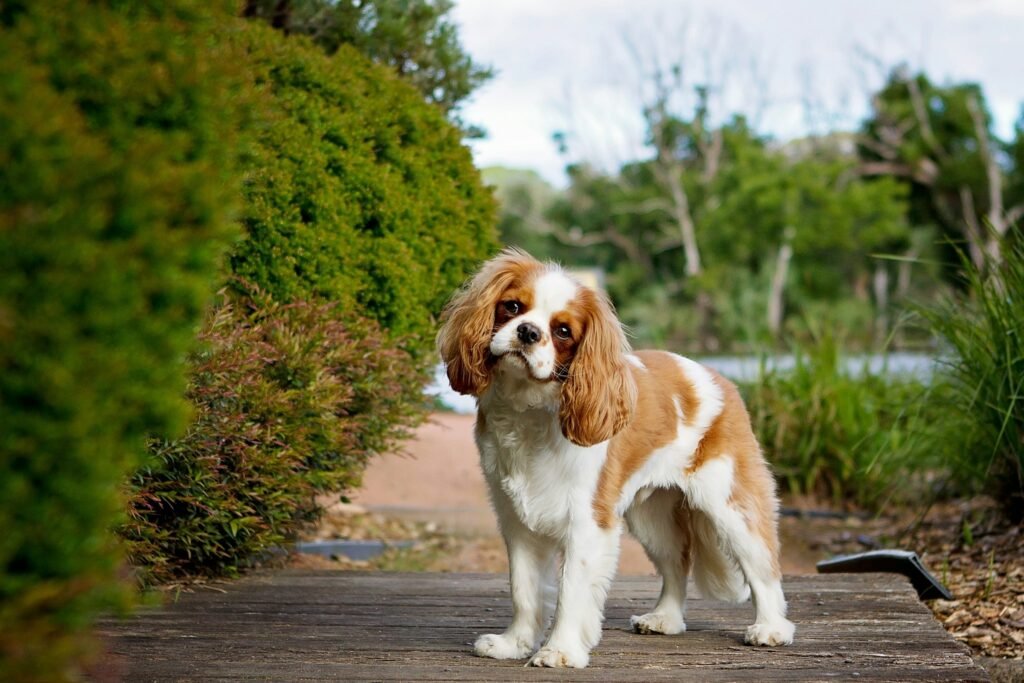
Personality: Loving, gentle, sociable
Size: Small
Energy Level: Moderate
A good choice for smaller homes or families who want a dog that’s content with moderate exercise. Cavaliers are genuinely affectionate and tend to be calm around children without needing extensive training to get there. Worth knowing: they can be prone to health issues, so a reputable breeder matters more with this breed than most.
4. Beagle
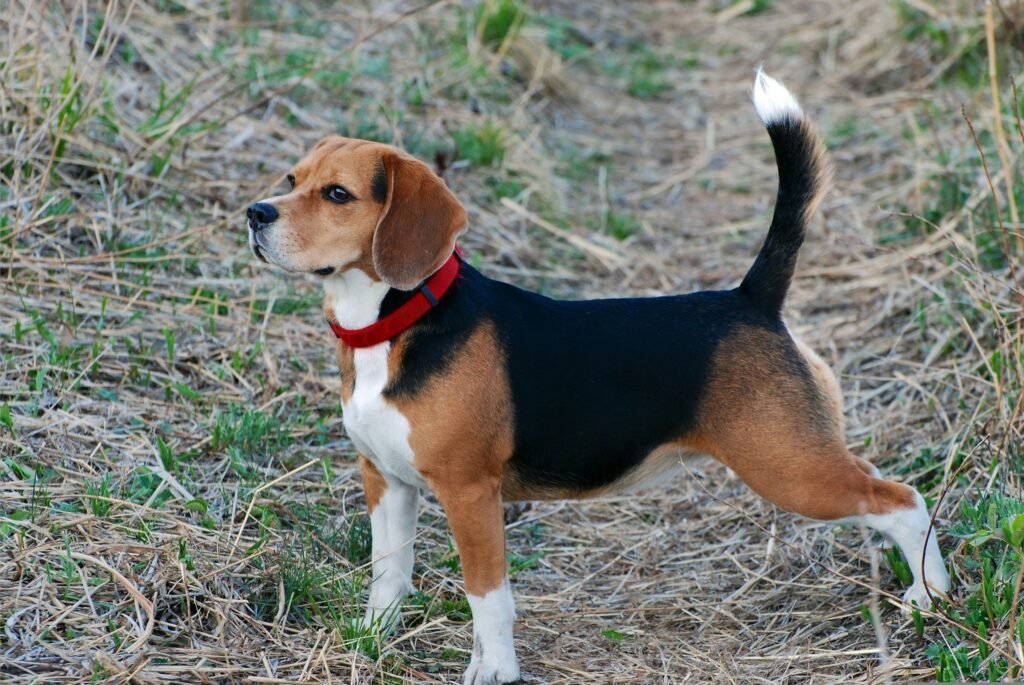
Personality: Playful, loyal, curious
Size: Small to medium
Energy Level: High
Beagles are good-natured and robust enough to handle the rough-and-tumble of family life. They’re also nose-led to a degree that can make recall training challenging — not a dealbreaker, but something to factor in if you’re hoping for a dog that comes back reliably on a walk. Their size and temperament make them a solid family choice as long as you’re committed to the training work.
5. Boxer
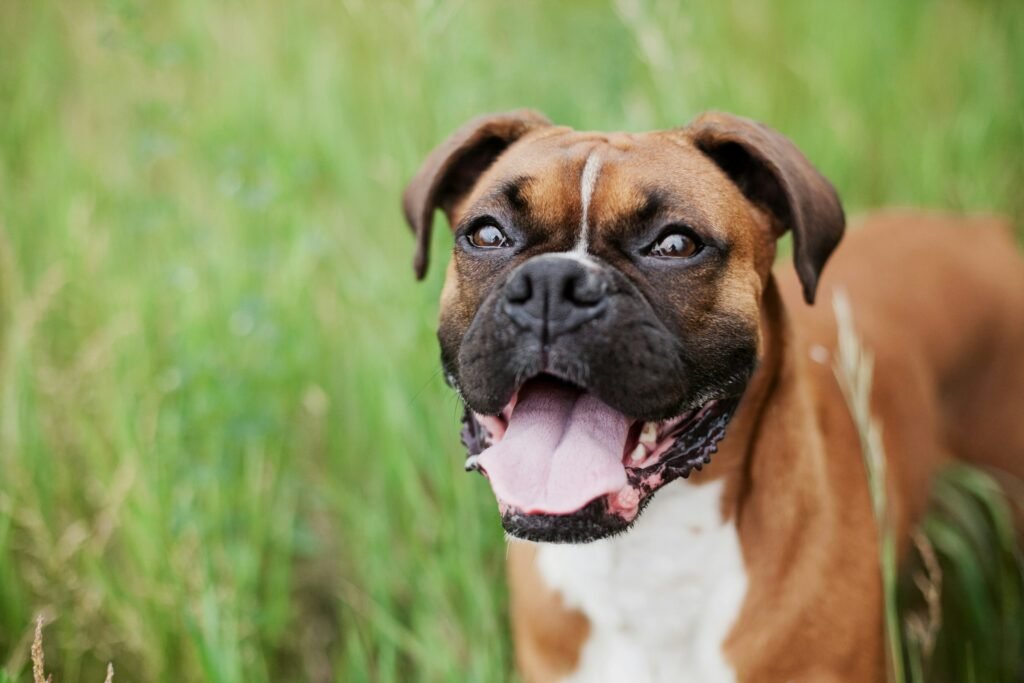
Personality: Energetic, protective, affectionate
Size: Medium to large
Energy Level: High
Boxers are enthusiastic to the point of being slightly ridiculous, which tends to go down well with children who match that energy. They’re loyal, they’re affectionate, and they have a protective instinct that can be reassuring in a family setting. Their size and exuberance means supervision around toddlers is sensible — not because they’re aggressive, but because they don’t always notice when they’re being too much.
6. Poodle (Standard or Miniature)
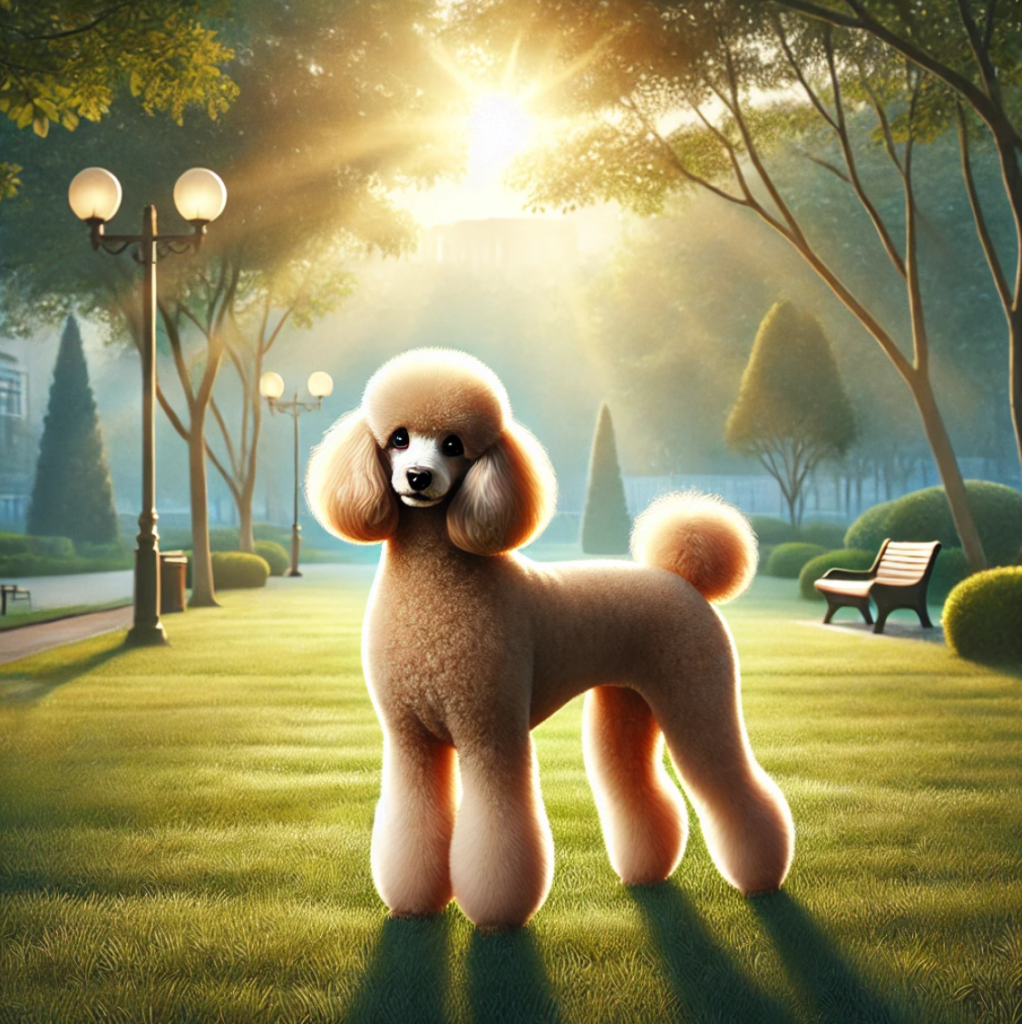
Personality: Intelligent, alert, friendly
Size: Miniature to standard
Energy Level: Moderate
Poodles are consistently underestimated as family dogs. They’re one of the most trainable breeds available, their low-shedding coats suit households with allergies, and their even temperament means they rarely tip into unpredictable behaviour. Available in sizes that suit most living situations. If the grooming requirements feel daunting, find a good local groomer before you commit.
7. Bichon Frise
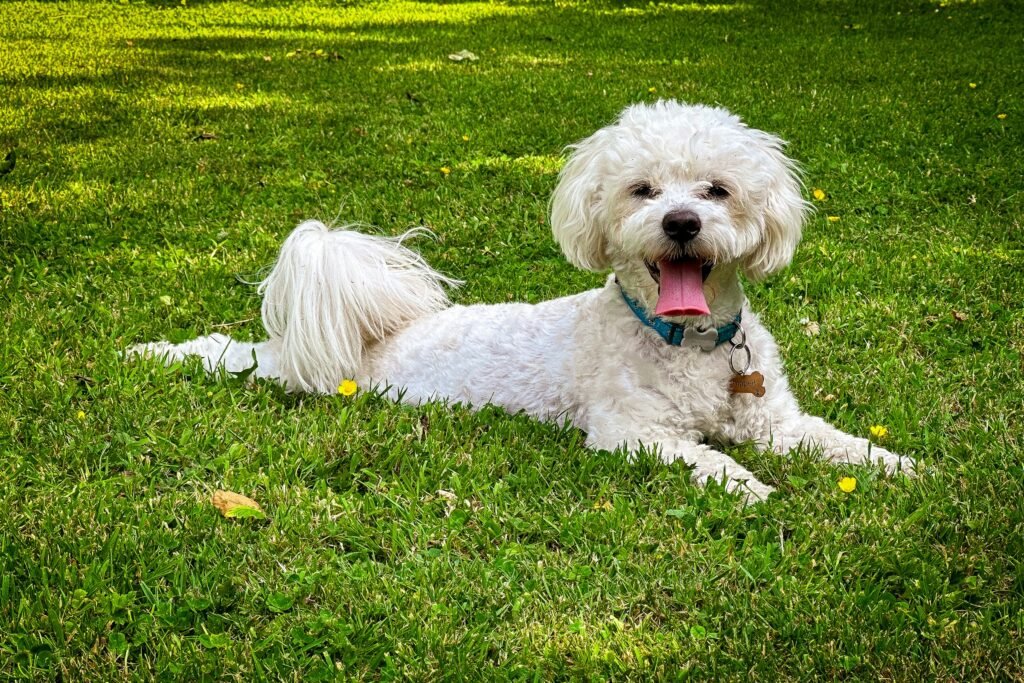
Personality: Cheerful, gentle, loving
Size: Small
Energy Level: Moderate
A Bichon is a good option if you want a small dog that genuinely enjoys company rather than merely tolerating it. They’re playful and warm without being overwhelming, and their non-shedding coats make them a reasonable pick for allergy-prone households. They do need regular grooming to keep the coat in good condition.
8. Newfoundland
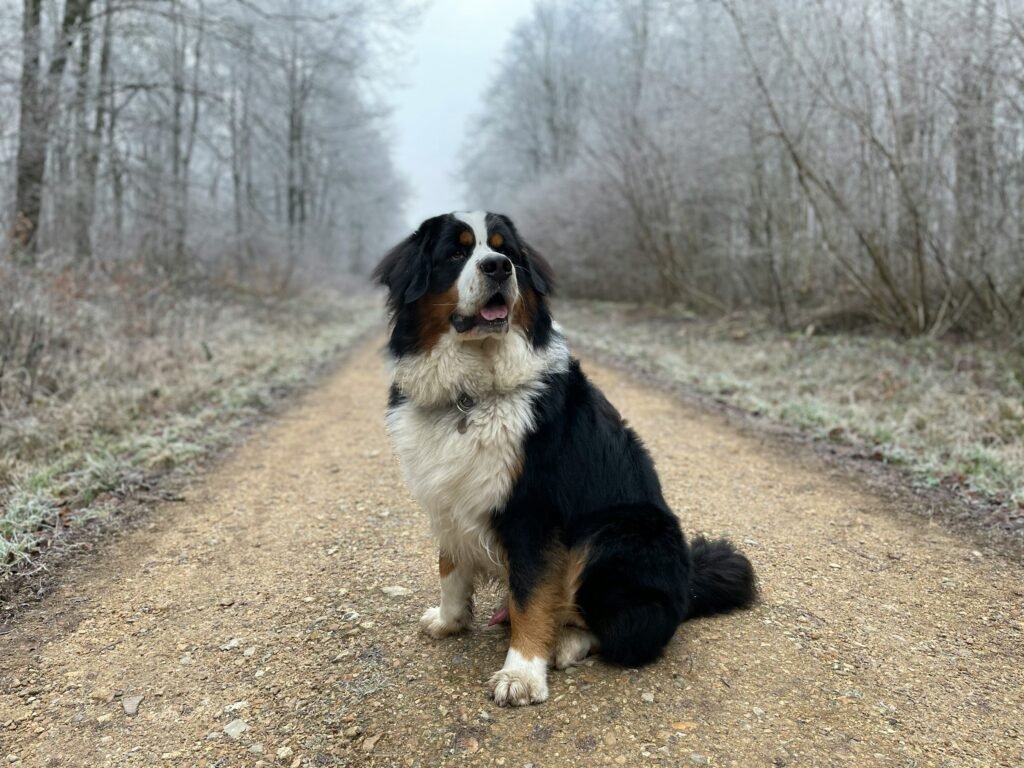
Personality: Gentle, sweet, protective
Size: Giant
Energy Level: Low to moderate
A Newfoundland in a family home is one of those things that looks impractical on paper and works unexpectedly well in practice. They’re large — very large — but their temperament is so measured and patient that they tend to be calm around children in a way that smaller, more excitable breeds aren’t. They drool, they shed, and they need space. If that works for you, they’re exceptional family dogs.
9. Border Collie
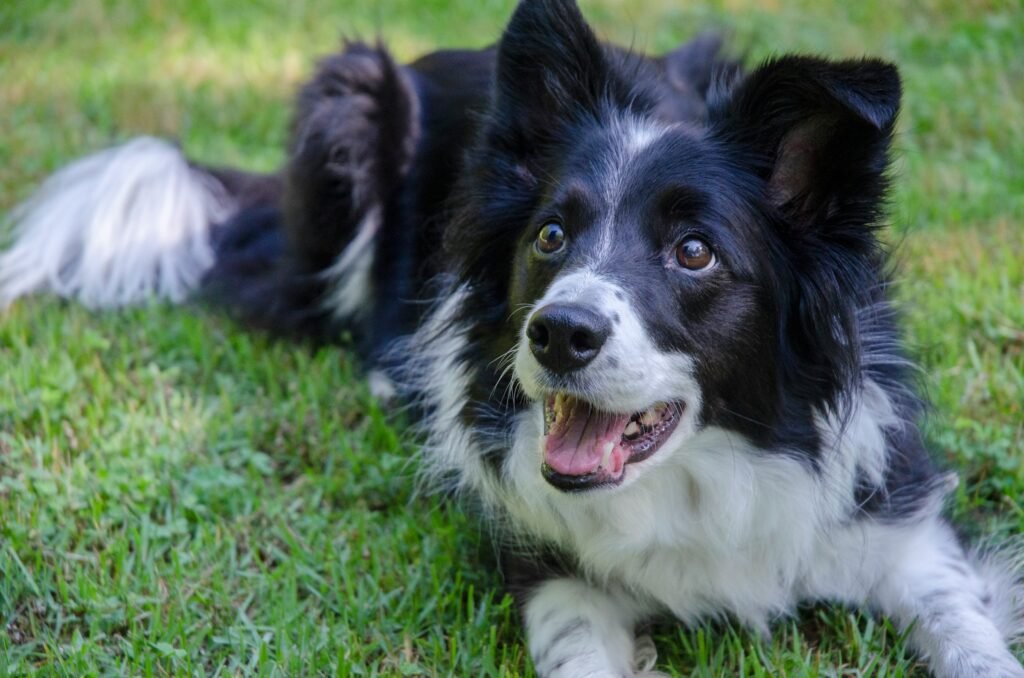
Personality: Intelligent, energetic, responsive
Size: Medium
Energy Level: Very high
An honest caveat here: Border Collies are extraordinary dogs, but they’re not the right fit for every family. They need serious amounts of exercise and mental stimulation — a bored Border Collie becomes a destructive one. If your household is genuinely active and your children are old enough to engage properly with a dog, they can be a wonderful match. If you’re hoping the dog will be content with a daily walk and some garden time, look elsewhere.
10. Irish Setter
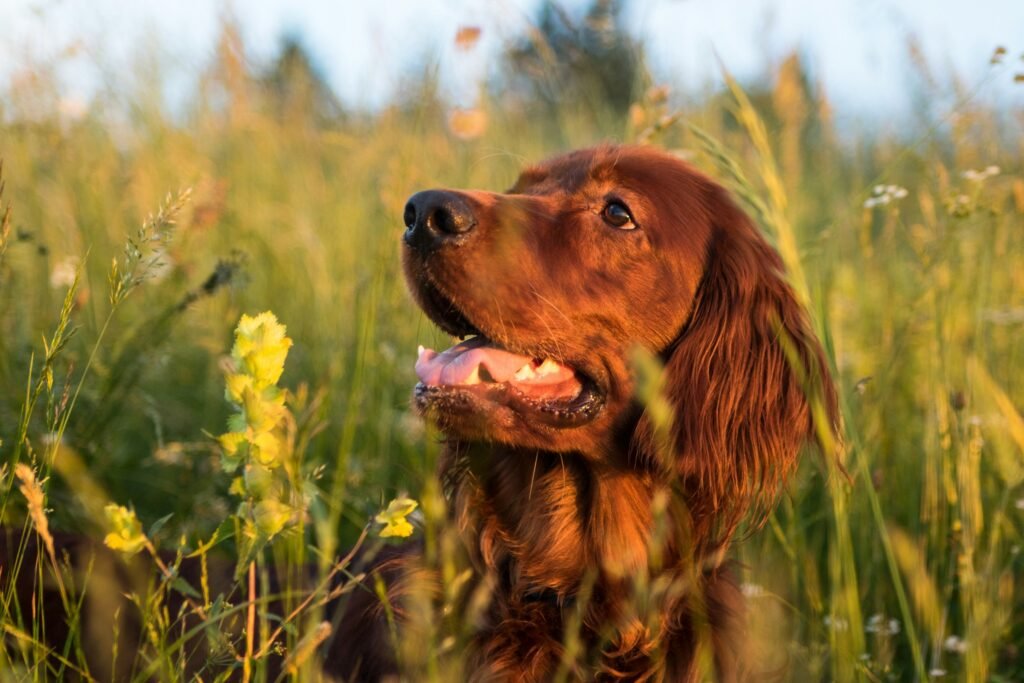
Personality: Friendly, energetic, social
Size: Large
Energy Level: High
Irish Setters are good-looking dogs with a lot of spirit and genuine affection for people. They do well with active families who spend time outdoors. Like a few others on this list, their energy level in the early years requires management — but they settle into lovely, sociable companions.
Dog Breeds Not Recommended for Homes with Young Kids
These breeds aren’t bad dogs — they’re often excellent dogs in the right home. But certain traits make them a harder fit where young children are involved.
1. Chow Chow
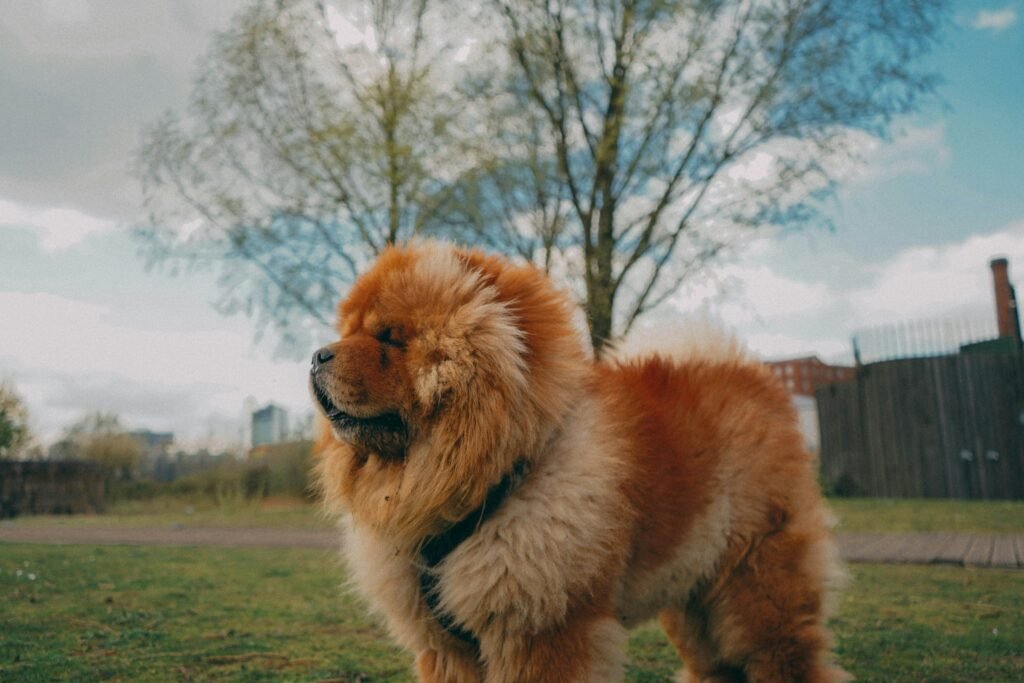
Chow Chows are independent and often aloof with people they don’t know well, including children who approach them without warning. They can be loyal and calm in the right household, but they generally don’t have the patience for unpredictable small children.
2. Dalmatian
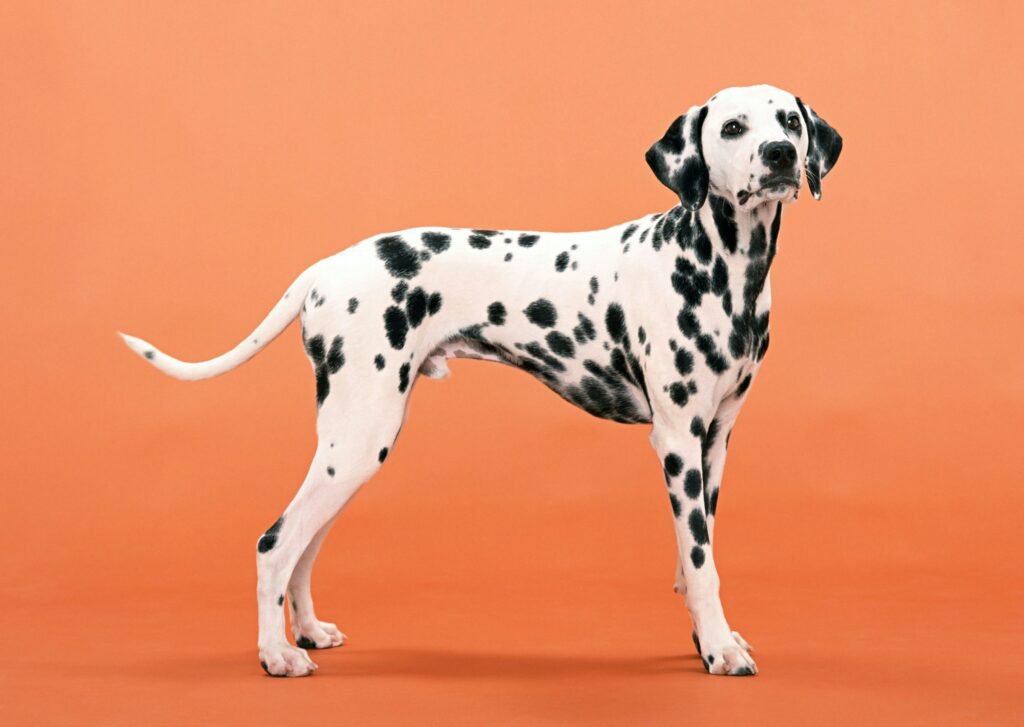
Dalmatians can be highly strung and are noise-sensitive, which makes the average family home with young children a stressful environment for them. They can be snappy under stress. With experienced owners and older children, they can do well — but they’re not a beginner-friendly family dog.
3. Akita
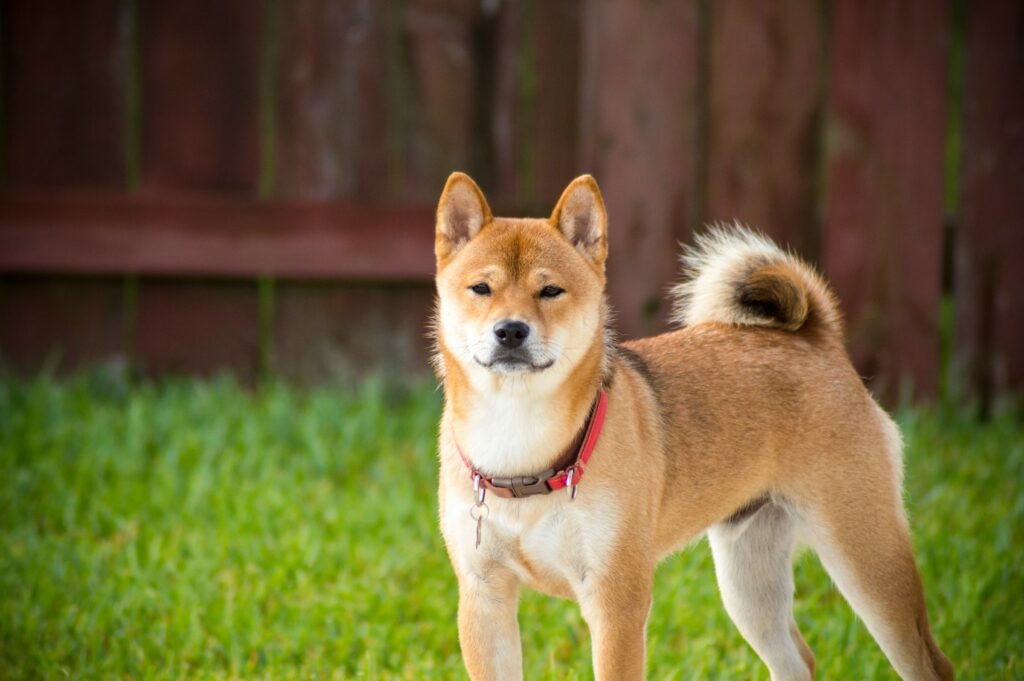
Strong-willed, territorial, and not naturally tolerant of strangers, including small children they don’t know. Akitas need experienced handling and do better in homes where they have clear structure and aren’t regularly exposed to the chaos of young children.
4. Weimaraner
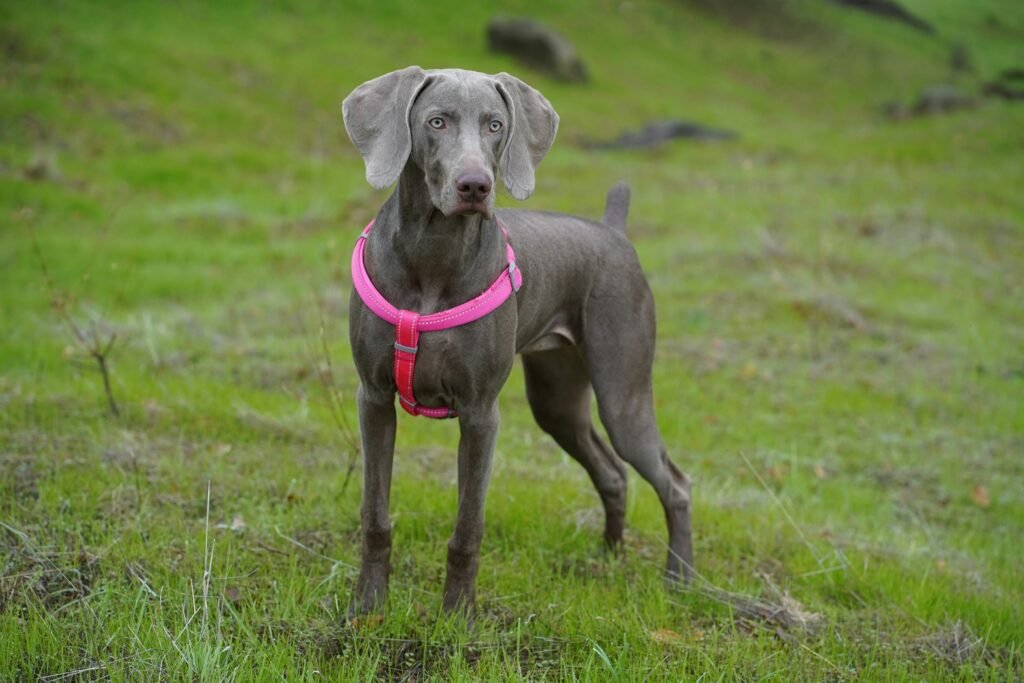
High-drive, high-energy, and prone to anxiety if their needs aren’t met. Weimaraners can be destructive and difficult in homes that can’t provide consistent exercise and mental stimulation. Not a breed to take on lightly in a busy family home.
5. Shar Pei
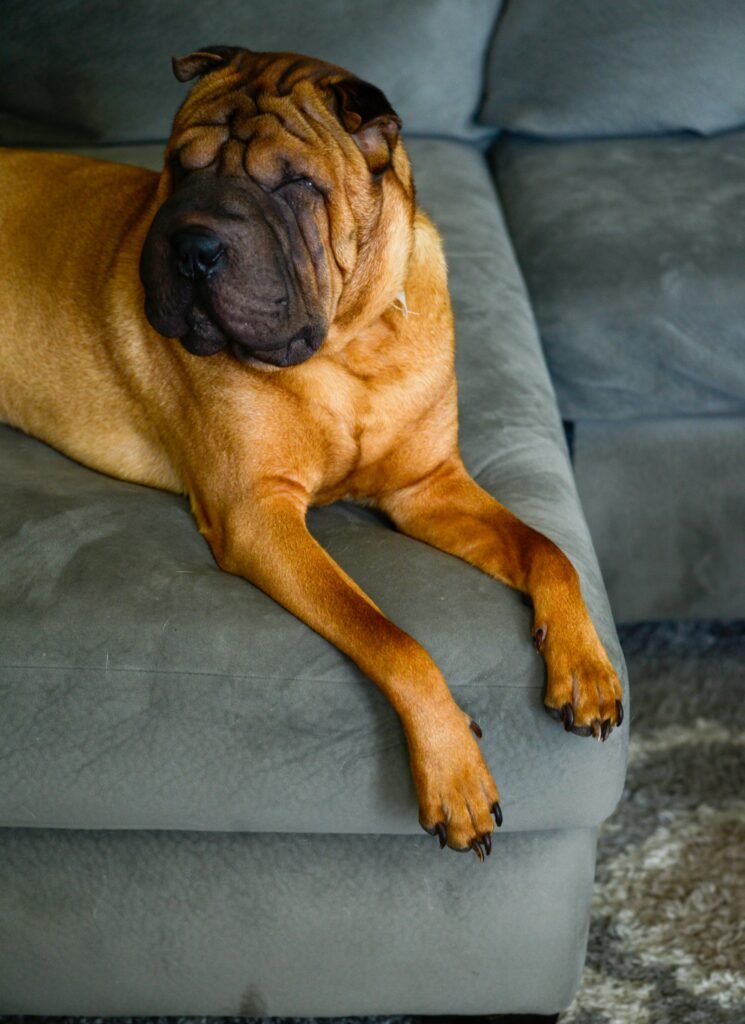
Independent and sometimes suspicious of unfamiliar people. Without extensive early socialisation, Shar Peis can be unpredictable around children. They can make loyal family dogs in the right hands, but they require an owner who understands the breed.
How to introduce a dog to a home with children
Regardless of breed, the early weeks matter. A few things that consistently help:
Start training as early as possible — the first few months set patterns that are hard to undo later. Teach children how to approach and interact with a dog from day one: no pulling ears, no disturbing a dog that’s eating or sleeping, no cornering. Supervise closely until you’re confident in how the dog reads the household.
Give the dog somewhere it can go that’s its own — a crate, a bed in a quieter room — where children know not to follow. Dogs that have no retreat from the noise and energy of a family home can become anxious or reactive over time.
For training support, a remote training collar can help reinforce commands clearly and consistently, particularly with more energetic breeds. Our dog training collars at Calmshops are no-shock and designed to be used as a positive training tool rather than a correction device.
Choosing the right dog for your family
The right breed depends on your specific household — your children’s ages, your living space, how active you are, and how much time you can put into training. Labs and Goldens tend to work for the widest range of families, but the best dog is ultimately the one whose needs match what you can realistically provide.
When in doubt, speak to a reputable breeder or a professional dog trainer before you commit. Getting it right from the start makes everything that follows easier.
Frequently Asked Questions
Patience, a calm default temperament, good trainability, and genuine sociability with children and other animals. Energy level is also worth considering honestly — a very high-energy breed in a low-activity household tends to cause problems for both the dog and the family.
Many large breeds — Labradors, Golden Retrievers, Newfoundlands — are among the best family dogs available. Their size requires supervision around toddlers simply to avoid accidental knockdowns, but their temperament is often calmer and more patient than smaller, more excitable breeds.
Yes, though it varies considerably by breed. Cavaliers, Beagles, and Bichon Frises tend to do well with children. Some small breeds are more nervous or snappy, so temperament matters more than size when assessing suitability.
Very. The habits and social skills a dog develops in the first few months are the hardest to change later. This is especially true with higher-energy breeds where the gap between a well-trained dog and an untrained one is significant.
Some breeds — Chow Chows, Akitas, Shar Peis among others — have traits that make them harder to manage around young children without experienced handling. This doesn’t make them bad dogs; it means they need the right home to thrive.