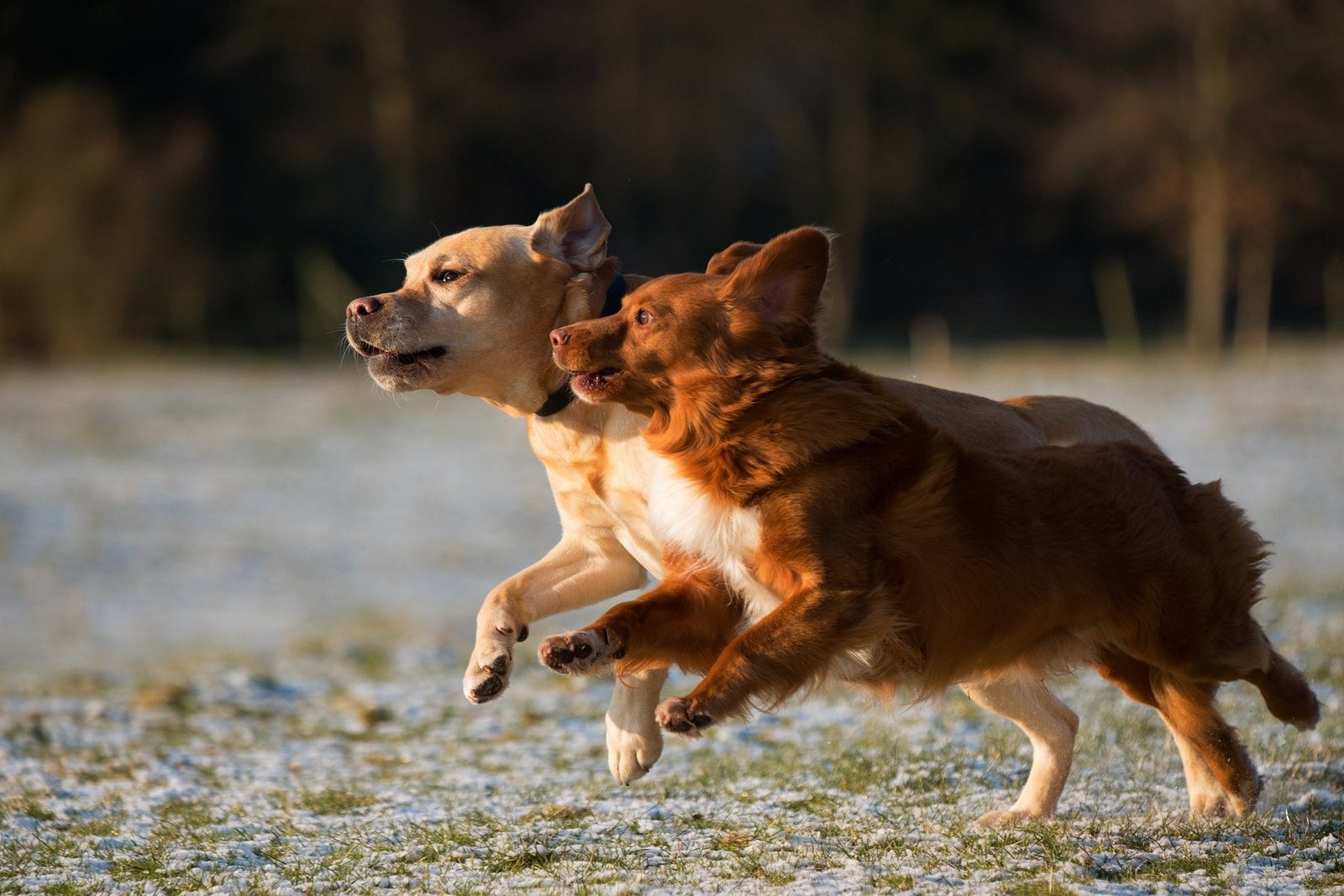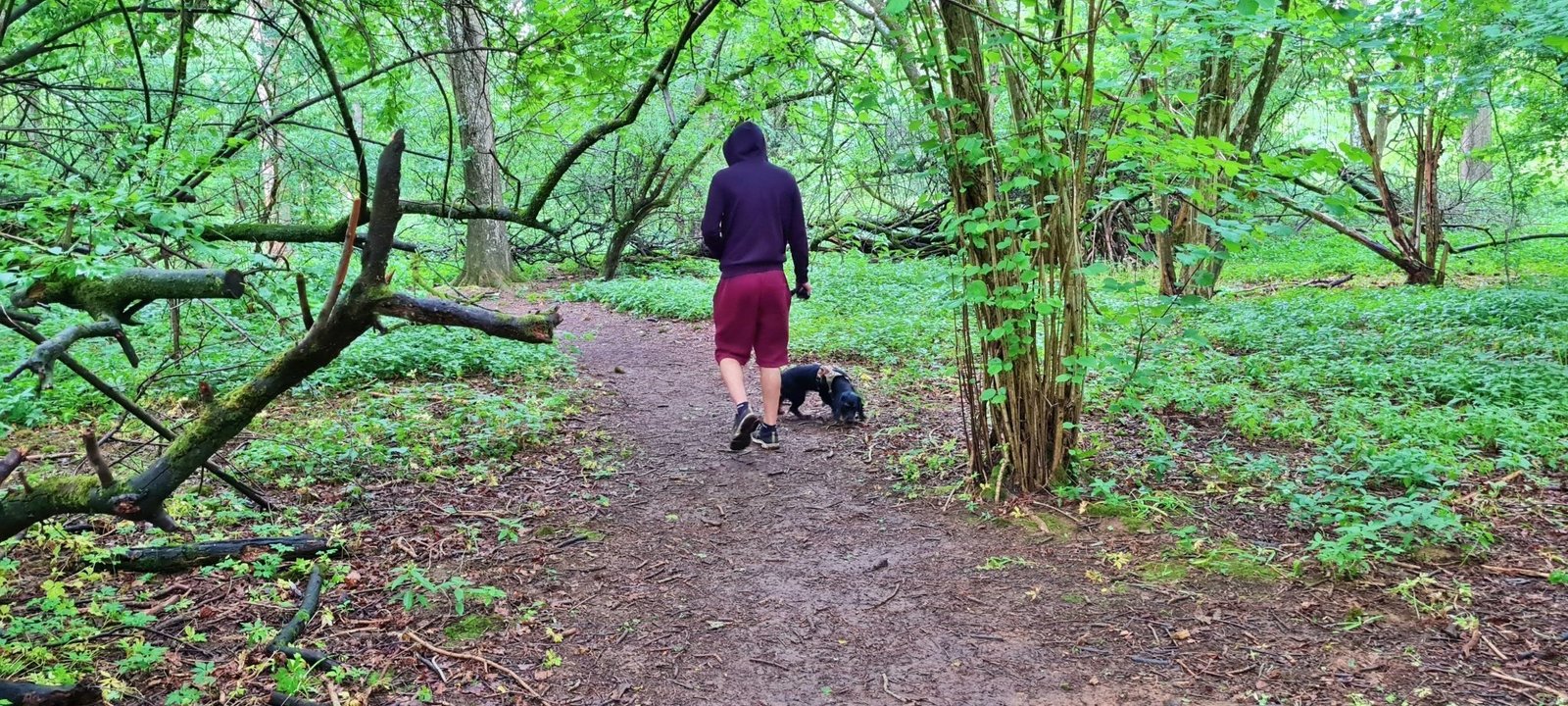

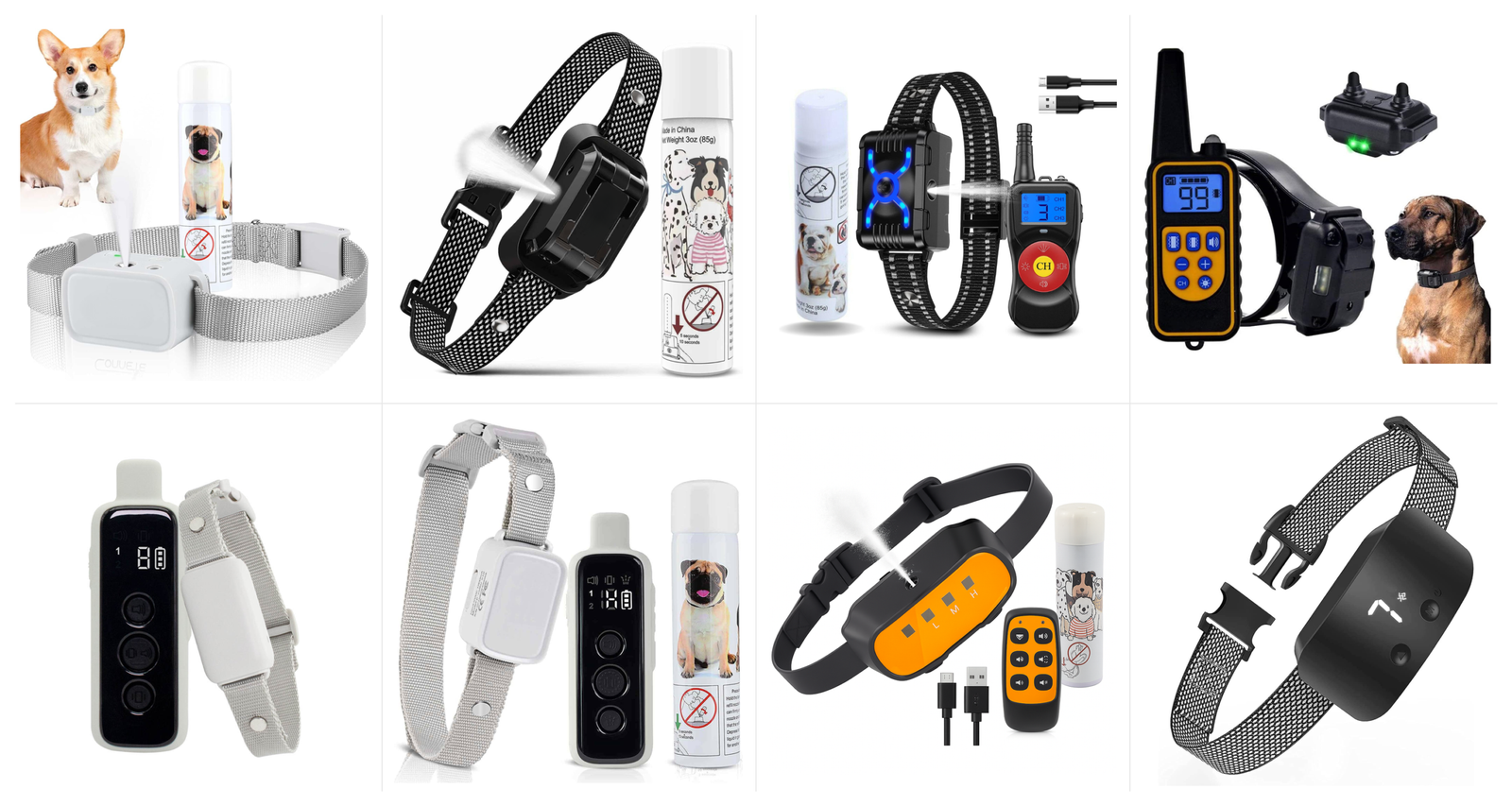
We get asked about training collars a lot – vibrating, citronella, the lot. Fair enough; there’s a whole industry telling people these are the answer to recall, jumping, chasing, all of it. Here’s where we’ve landed after years of training Figo and swapping notes with other owners: none of it beats good reward-based training, done consistently, for long enough. This is what that actually looks like.
The basics that everything else builds on
Mark the exact moment, every time. Whether it’s a clicker or a sharp verbal “yes,” the point is to tell your dog precisely which split second earned the reward. Without a clear marker, dogs are left guessing which part of what they just did was the good bit. Guessing just slows everything down.
Use genuinely high-value treats for anything hard. Kibble is fine for practising “sit” in your kitchen. It is not competing with a squirrel. Match the reward to the difficulty of what you’re asking, not to what’s convenient in your pocket.
Keep sessions short and frequent. Five focused minutes, several times a day, beats one long Sunday-afternoon session every time. Dogs (and honestly, owners) lose focus fast, and a session that ends on a good note is worth more than one that limps on until everyone’s fed up.
Be consistent, especially across the household. If one person lets him up on the sofa and another doesn’t, or “down” sometimes means lie down and sometimes means get off the furniture, you’re not being inconsistent with your dog. You’re teaching him two different, contradictory things, then being surprised when neither sticks.
Recall
Start on a long line, not off-lead – freedom is the reward for a reliable recall, not the training ground for one. Call once, in a happy voice, and reward extravagantly the second he arrives, every single time, even if it took him a while to get there. Never call him for something unpleasant (the vet, the end of a walk, a bath) or you’ll teach him that coming back sometimes ends badly, and that lesson is hard to undo. Build up distraction gradually: garden first, then a quiet street, then somewhere busier, only once the easier version is solid.
“Leave it”
Start with a treat in a closed fist. He’ll sniff, paw, maybe get a bit frustrated. Say nothing, wait him out, and the instant he backs off or looks away, mark and reward from your other hand, not the fist he was working on. Once that’s reliable, progress to a treat on the floor with your hand ready to cover it if needed, then to real-world distractions like dropped food on a walk. This one’s genuinely useful – dropped medication, someone else’s sandwich, roadkill, all covered by the same skill.
Jumping up
The instinct is to push him off or shout, but both of those are attention, and attention is often exactly what a jumping dog is after. Instead, turn away completely the moment paws leave the ground, wait for four paws back on the floor, then reward and greet warmly. Everyone who meets him needs to do this the same way, or he’ll simply learn that jumping works on some people and not others.
Reactivity and chasing
Both of these come down to the same underlying tool: rewarding calm behaviour before the trigger fully arrives, not after your dog has already reacted. If he reliably reacts to another dog at thirty metres, that’s your starting distance – reward calm attention on you at a range where he can stay under threshold, and close the gap gradually over many sessions. Trying to work at a distance where he’s already reacting just gives him repeated practice at reacting, which makes the whole thing harder to shift. This is genuinely one of the trickier areas to get right alone, and it’s often where a second pair of trained eyes helps most.
Why “he’s ignoring me” usually isn’t what it looks like
A dog who seems to blank a cue he clearly knows is almost never being defiant. Far more often, he’s under-rewarded (the value on offer doesn’t beat the distraction), under-exercised (too much unspent energy to focus), or the behaviour hasn’t actually been generalised yet – dogs don’t automatically transfer “sit” from your kitchen to a busy park; that’s a separate step that needs practising deliberately. The instinct to add a stronger correction almost always treats the wrong problem.
Where collars fit into all this
You’ll have seen vibrating and citronella collars marketed as the answer to most of what’s above – recall, jumping, chasing, reactivity. We’re not going to tell you they’re evil, but we’re also not going to call any of them “humane,” “gentle,” or a training shortcut, because that’s simply not what the evidence supports, and we don’t like making claims we can’t back up. Genuine, consistent reward-based work does the job these collars promise to shortcut, and it does it in a way that builds trust with your dog rather than working around it.
If your dog’s training struggles come with a wider layer of nervousness or reactivity, it’s worth having a browse of Calmshops’ calming range – not as a training method, but as something that can sit alongside it for a dog who’s finding sessions harder because they’re anxious to begin with.
And if you’d rather have someone hands-on for any of this – especially reactivity or chasing, which are genuinely easier with a second pair of eyes – our find a dog trainer directory is a good next step.
Written by Georgiana & Figo, who is proof that a dog with a genuinely excellent recall can also have a genuinely excellent prey drive – the two aren’t mutually exclusive, they just both need work. Got a training question this hasn’t covered? Get in touch and we’ll try to help, or have a browse of Calmshops while you’re here.
Frequently Asked Questions
What is positive reinforcement dog training?
It’s training that rewards the behaviour you want, so your dog is more likely to repeat it, rather than punishing the behaviour you don’t want. It relies on clear timing, consistency, and rewards your dog genuinely values.
How long does positive reinforcement training take to work?
Simple cues can show progress within days of short, consistent sessions. More complex issues like reactivity or recall around heavy distraction can take weeks or months of steady work.
Why does my dog listen at home but not outside?
Most dogs don’t automatically generalise a learned cue to new environments. It needs practising deliberately in gradually more distracting places, starting easier than you’d expect.
Do training collars work faster than positive reinforcement?
They may suppress a behaviour in the short term, but they don’t teach a dog what to do instead, and they don’t address why the behaviour started. Reward-based training takes longer to see results but builds a more reliable outcome.