

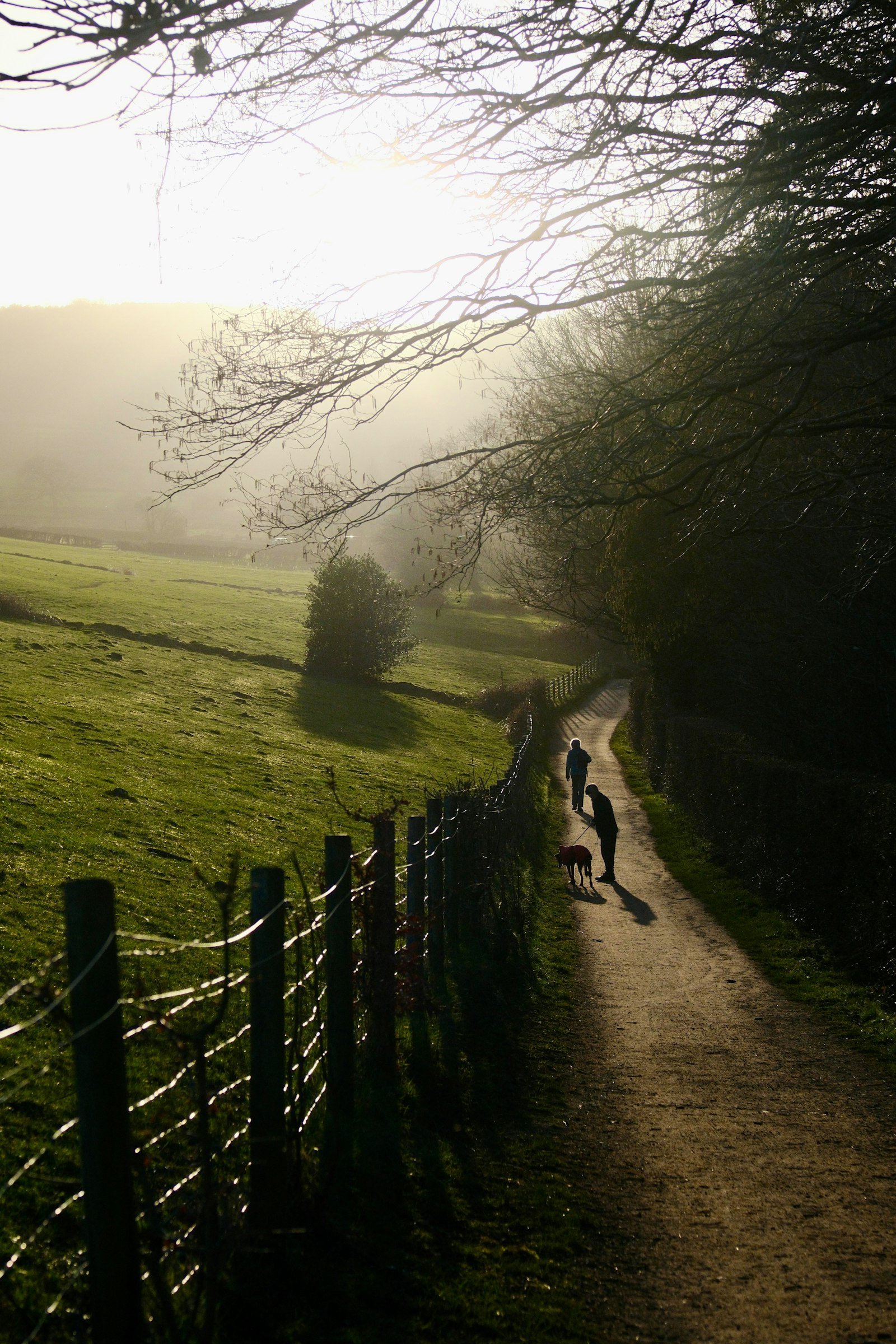
East Riding’s dog walks run from dramatic seabird cliffs to flat pine woodland and a historic stately home’s parkland, with the fast-eroding Holderness coast binding it all together. We’ve checked each against the landowner’s own rules, and flagged the couple of places where the official sources genuinely disagree with each other, rather than smoothing it over.
Coastal
- Flamborough Cliffs Nature Reserve (Yorkshire Wildlife Trust) — hilly, steep in places, accessed via North Landing or Thornwick Bay car parks. Dogs allowed on a lead throughout; please pick up and bin waste.
- Bempton Cliffs (RSPB) — dogs welcome on the footpaths and in the visitor centre, kept on a short lead at all times given the sensitive seabird colonies. Assistance dogs welcome everywhere.
- Spurn National Nature Reserve (Yorkshire Wildlife Trust) — dogs may go through the gate at the end of Spurn Road and must turn north onto the mapped Route 1; the southern beach routes fall inside a protected SSSI and are closed to dogs. A lead is required on the separate Kilnsea Wetlands circular trail. Dogs are welcome at the Spurn Discovery Centre.
Woodland
- Allerthorpe Wood (Forestry England), near Pocklington, off the A1079 via Sutton Lane — flat pine woodland on managed lowland heath, good for an easy stroll. Dogs allowed; assistance dogs welcome. Watch for adders basking on tracks in warm weather. Parking is £3.50 up to 2 hours or £6 over 2 hours. The adjoining Allerthorpe Common Nature Reserve does not allow dogs at all, so stick to the Forestry England wood itself.
Parkland
- Burton Constable Hall grounds, near Sproatley — dogs welcome on the parkland, grounds and lakeside walks on a lead at all times, plus the outdoor seating area at the Stables Kitchen. Not allowed inside the Hall itself except recognised assistance dogs.
- Humber Bridge Country Park, Hessle, HU13 0LN — managed parkland and woodland tracks with some muddy unsurfaced sections. Keep dogs under close control around wildlife, water, roads and other visitors, and check on-site signage for any off-lead areas.

Beach rules: East Riding’s seasonal dog bans
East Riding of Yorkshire Council runs an annual Public Spaces Protection Order restricting dogs from specific stretches of the Bridlington, Hornsea and Withernsea beaches over summer, with a £75 fixed penalty for breaching it. We found the general shape of the rule confirmed by local press, but two local news sources gave slightly different beach boundaries and end dates for the current ban (either 30 September or 1 October) — rather than guess which is right, we’d point you to the council’s own signage on the day, or a quick check of East Riding of Yorkshire Council’s website before you travel. Flamborough, Sewerby and Fraisthorpe beaches were reported as exempt from the ban by one source, but we couldn’t independently confirm that, so check locally. Assistance dogs are exempt from the restriction but must stay on a lead.
Away from the beach, the general countryside rule applies: on open access land, your dog must be on a lead around livestock at all times, and on a lead between 1 March and 31 July regardless of livestock, widely understood to protect ground-nesting birds.
For a dog who finds cliff-top crowds at Bempton or Flamborough a bit much, a calming collar alongside a short lead can help — though if your dog is genuinely struggling, a behaviourist or your vet is the better long-term answer.
Frequently Asked Questions
Can dogs go on Bridlington beach in summer?
Specific stretches of Bridlington’s North and South beaches are restricted under a seasonal Public Spaces Protection Order, roughly May to September/October. Check the council’s own current signage, as our sources gave slightly different exact boundaries and end dates.
Can I take my dog to Spurn Point?
Yes, through the gate at the end of Spurn Road, but you must turn north onto the marked Route 1. The southern beach routes are closed to dogs as they fall inside a protected SSSI.
Are dogs allowed at Bempton Cliffs?
Yes, on the footpaths and in the visitor centre, but they must be kept on a short lead at all times to protect the sensitive seabird colonies.
Written by Georgiana & Figo.