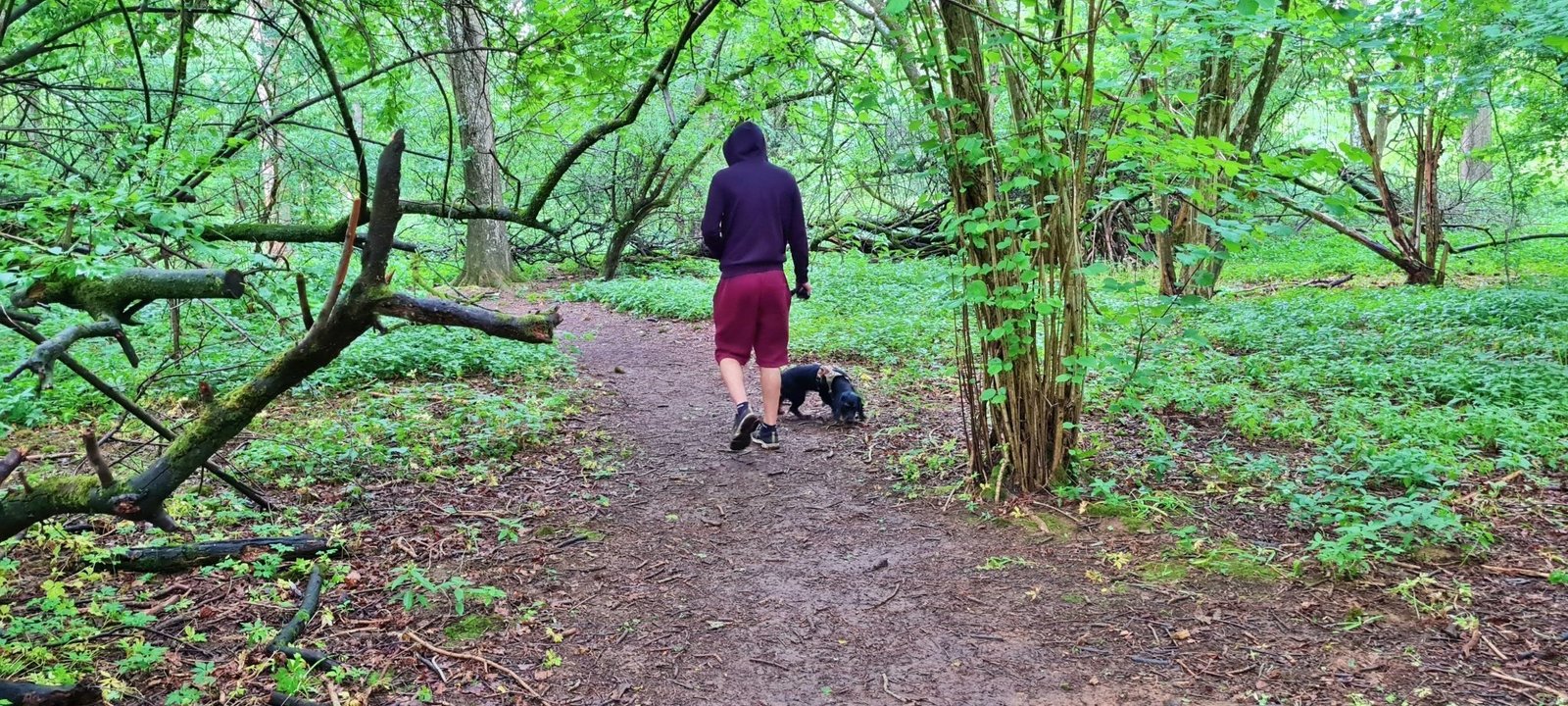

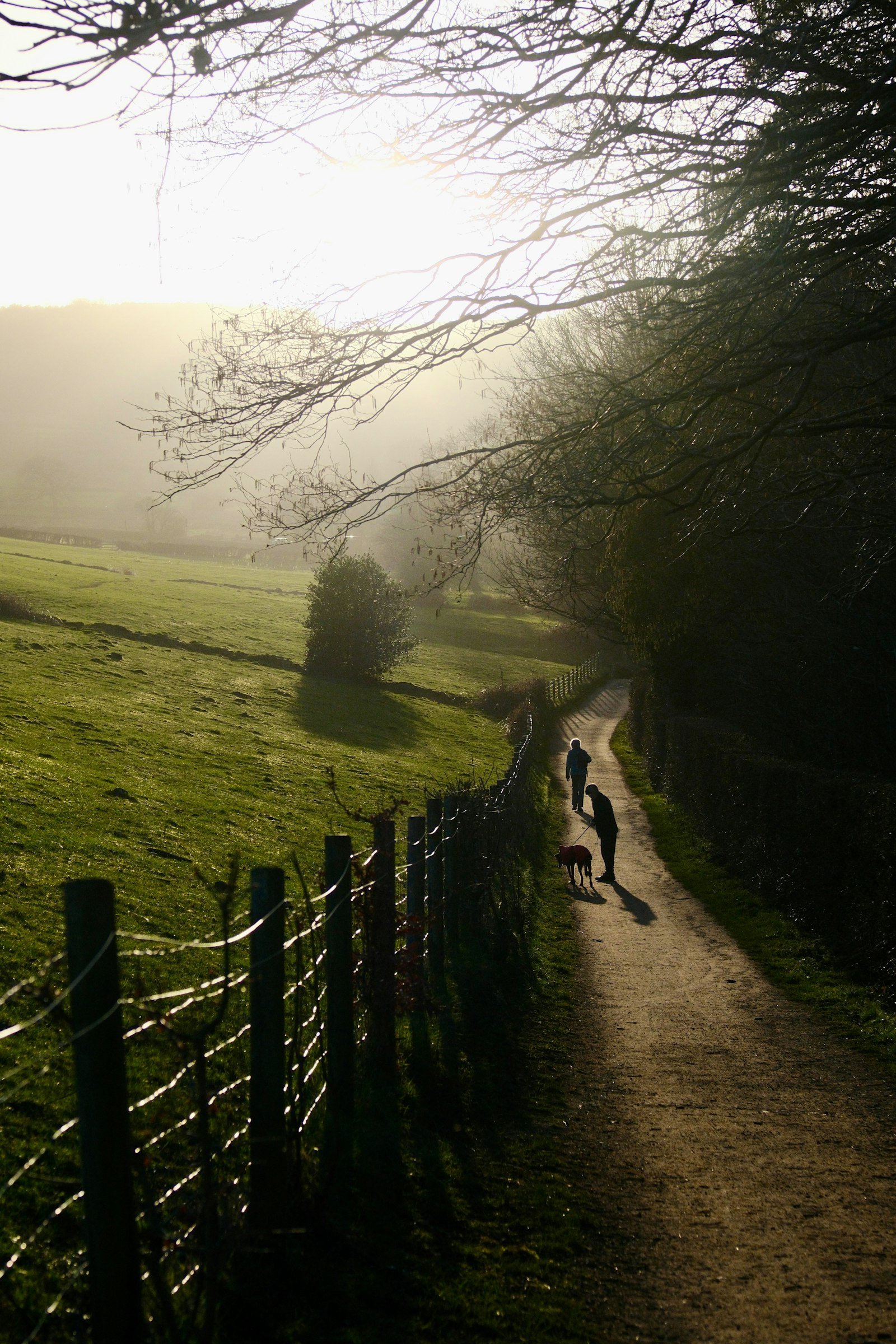
The Isle of Wight is built for dog walks: open chalk downland, unfenced clifftop paths, and a coastline where most beaches welcome dogs year-round. The one thing to get right before you go is the council’s seasonal beach rules, which are genuinely some of the best-documented we’ve found anywhere in this project.
Beach rules worth knowing first
Isle of Wight Council’s own Public Spaces Protection Order confirms that most Island beaches welcome dogs all year round — the exceptions are the ones to remember. A seasonal dog exclusion, 1 May to 30 September, applies to Colwell Beach, Cowes Beach, East Cowes Beach, Freshwater Bay, Gurnard Beach, Sandown Beach, Shanklin Beach, Springvale Beach, Ventnor Beach, Yaverland Beach and Ryde Beach. Outside that window, dogs are allowed on all of these too. Compton Bay runs its own separate, National Trust-set restriction rather than the council’s: dogs aren’t allowed on the beach west of the car park from 15 May to 15 September, but are welcome between Hanover Point and Brook Chine all year — don’t mix up the two different rule sets, since the dates and the area covered aren’t the same.
The Needles Headland and Tennyson Down
National Trust — the island’s best-known walk. A figure-of-eight route of 3 to 7 miles depending on length chosen, open chalk downland with long sea views, unfenced cliff edges on Tennyson Down that call for close control. Dogs on leads welcome; a lead is legally required in marked ground-nesting-bird areas from 1 March to 31 July, and around the cattle that graze the down.
Ventnor Downs and Newtown National Nature Reserve
- Ventnor Downs — National Trust, two named trails (2.5 and 2.6 miles), downland terrain with some steep and loose-stone sections. Close control required except near livestock (short lead then), and a lead by law in signed ground-nesting-bird areas 1 March-31 July.
- Newtown National Nature Reserve — National Trust, a firmer rule than most island sites: dogs must be on a lead at all times across the whole reserve, not just seasonally, with short leads essential around sheep.
Osborne House grounds
Managed by English Heritage, not the National Trust — worth knowing since the rules differ from the Trust’s sites. Dogs can join grounds walks and use the path past the Swiss Cottage, and can sit with you at the Terrace Restaurant’s outside seating. Only assistance dogs are allowed inside the house itself or on Osborne’s own beach; dogs are also barred from the beach-side and Swiss Cottage woodland, all buildings, the play area and Pier Road. Dogs must never be left unattended.
Parkhurst Forest and Brading Down
- Parkhurst Forest, Forestry England — dogs confirmed welcome, but no specific lead requirement, livestock warning or trail distance is published on Forestry England’s own page. A genuine gap rather than an all-clear.
- Brading Down, a council-run Local Nature Reserve — over 4 miles of combined footpaths and bridleways across grazed downland. Dogs allowed but must be kept under control and must not worry the grazing animals; no specific lead-length rule stated.
Other rules worth knowing
Isle of Wight Council’s PSPO also sets year-round lead-at-all-times zones along the Ryde seafront, at several named countryside sites (Bleak Down, Roud, Chillerton, Arreton, Godshill) and in island cemeteries, plus a seasonal lead requirement (1 May-30 September) at the Duver, St Helens. Dogs are banned year-round from roughly 30 named fenced play areas and sports pitches. Fixed penalty for a breach is £100, rising to up to £1,000 on prosecution. On CRoW open access land generally, the national rule is a lead near livestock at all times, and a lead or close control 1 March-31 July for ground-nesting birds.

Open clifftop paths and a lot of livestock mean plenty of lead-on, lead-off decisions over a longer walk, which can leave a dog a bit wound up by the end. Figo gets properly distracted by the sheep on the downs, so a solid recall and a calming bite before a big countryside walk both help take the edge off. If your dog’s reaction around livestock is more than normal interest, that’s a training and safety matter worth working through with a professional.
Frequently Asked Questions
Which Isle of Wight beaches ban dogs in summer?
Colwell Beach, Cowes Beach, East Cowes Beach, Freshwater Bay, Gurnard Beach, Sandown Beach, Shanklin Beach, Springvale Beach, Ventnor Beach, Yaverland Beach and Ryde Beach all exclude dogs from 1 May to 30 September. Most other Island beaches welcome dogs all year round.
Can dogs go on the beach at Compton Bay?
Dogs are welcome year-round between Hanover Point and Brook Chine, but not on the beach west of the car park between 15 May and 15 September — a separate National Trust rule from the council’s beach list, with different dates.
Can I take my dog into Osborne House?
Only assistance dogs are allowed inside the house or on Osborne’s own beach. Other dogs can join grounds walks and sit with you at the Terrace Restaurant’s outside seating, but are barred from several named areas including the beach-side woodland.
Written by Georgiana & Figo, who considers any hill a personal challenge.