
Playing fetch is an enjoyable and engaging activity that offers both physical exercise and mental stimulation for your dog. However, not every dog instinctively knows how to chase a ball. Some dogs may not understand the game, while others might simply lack interest. If you’ve ever asked yourself, “How can I get my dog to chase a ball?” you’re in good company. This guide will explain why some dogs need encouragement to play fetch and provide effective tips to help them learn. We’ll also share real-life success stories from dog owners who successfully taught their dogs this classic game.
Why Doesn’t My Dog Chase a Ball?

Before we explore how to teach fetch, it’s helpful to understand why your dog might not be chasing a ball initially:
-
Lack of Understanding: Your dog may not realize they’re supposed to chase and retrieve the ball. This is especially common in dogs who weren’t introduced to the game as puppies.
-
Breed Traits: Some breeds, like Retrievers or Border Collies, have a natural instinct to chase and retrieve. Others, such as Bulldogs or Pugs, may lack this drive or the energy for such activities.
-
Low Motivation: If your dog doesn’t associate the ball with fun or rewards, they might not find it appealing. Motivation often hinges on discovering the right way to engage them.
-
Fear or Anxiety: Dogs that have had negative experiences with balls-such as being accidentally hit-may be reluctant to interact with them.
-
Health Issues: Physical discomfort, like joint pain or breathing problems, can make chasing a ball difficult or unpleasant for your dog.
Step-by-Step Guide: How to Get Your Dog to Chase a Ball
If your dog doesn’t naturally chase balls, try these tips to encourage them:
1. Choose the Right Ball

Not all balls are suitable for every dog. Choose a ball that fits your dog’s size and preferences. For example:
-
Use lightweight, soft balls for smaller breeds.
-
Pick squeaky or textured balls to capture your dog’s interest.
-
Avoid tennis balls for large breeds prone to chewing through them.
2. Introduce the Ball Positively
Make the ball a source of excitement and positivity:
-
Show the ball to your dog and let them sniff it.
-
Roll the ball gently across the floor to spark their curiosity.
-
Reward any interest in the ball with treats or praise.
3. Incorporate Treats or Toys
Use treats or a favourite toy to make the game more enticing:
-
Place a treat inside a hollow ball or attach a toy to it.
-
Reward your dog with treats whenever they engage with the ball, even if it’s just a nose touch.
- Consider using a ball launcher-small or large-to play outdoors or in your garden.
4. Start Small
Begin with short, simple throws:
-
Toss the ball just a few feet away.
-
Encourage your dog to chase it by running alongside or clapping.
-
Praise and reward them for going after the ball, even if they don’t bring it back fully.
5. Teach the “Fetch” Command
Help your dog understand the game by breaking it down into smaller steps:
-
Hold the ball and say, “Fetch!” as you throw it.
-
If your dog picks it up, encourage them to return by calling their name or showing a treat.
-
Reward every stage: chasing, picking up, and bringing it back.
6. Make It a Game
Keep the experience enjoyable and engaging:
-
Play on soft surfaces like grass to keep your dog comfortable while running.
-
Mix things up by hiding the ball or using a ball launcher for extra excitement.
7. Practice Patience
Training takes time, especially if your dog isn’t naturally drawn to fetch. Be patient and celebrate small achievements. Avoid forcing the activity to prevent negative associations-focus instead on positive reinforcement.
Real Stories from Dog Owners

To inspire you, here are three stories of dog owners who successfully taught their dogs to chase a ball:
Story 1: Luna Learns with a Squeaky Ball
Luna, a three-year-old Dachshund, showed no interest in chasing balls. Her owner, Emily, initially tried tennis balls but with no luck. “She would just stare at them and walk away,” Emily recalled.
One day, Emily found a squeaky ball. “The squeak immediately caught her attention,” she said. Emily began tossing the ball short distances and squeaking it to keep Luna engaged. Gradually, Luna started chasing the ball, eager to hear the squeak. “Now she’s absolutely obsessed with it,” Emily laughed.
Story 2: Charlie’s Motivation with Treats
Charlie, an older Beagle, had never played fetch before. His owner, Tom, decided to use treats as motivation. “I placed treats inside a clear ball and rolled it toward him,” Tom explained. Charlie became curious and began chasing the ball to reach the treats.
After several weeks, Tom switched to a regular ball, rewarding Charlie each time he brought it back. “It took patience, but now he loves playing fetch,” Tom shared.
Story 3: Bella Learns from Her Friend
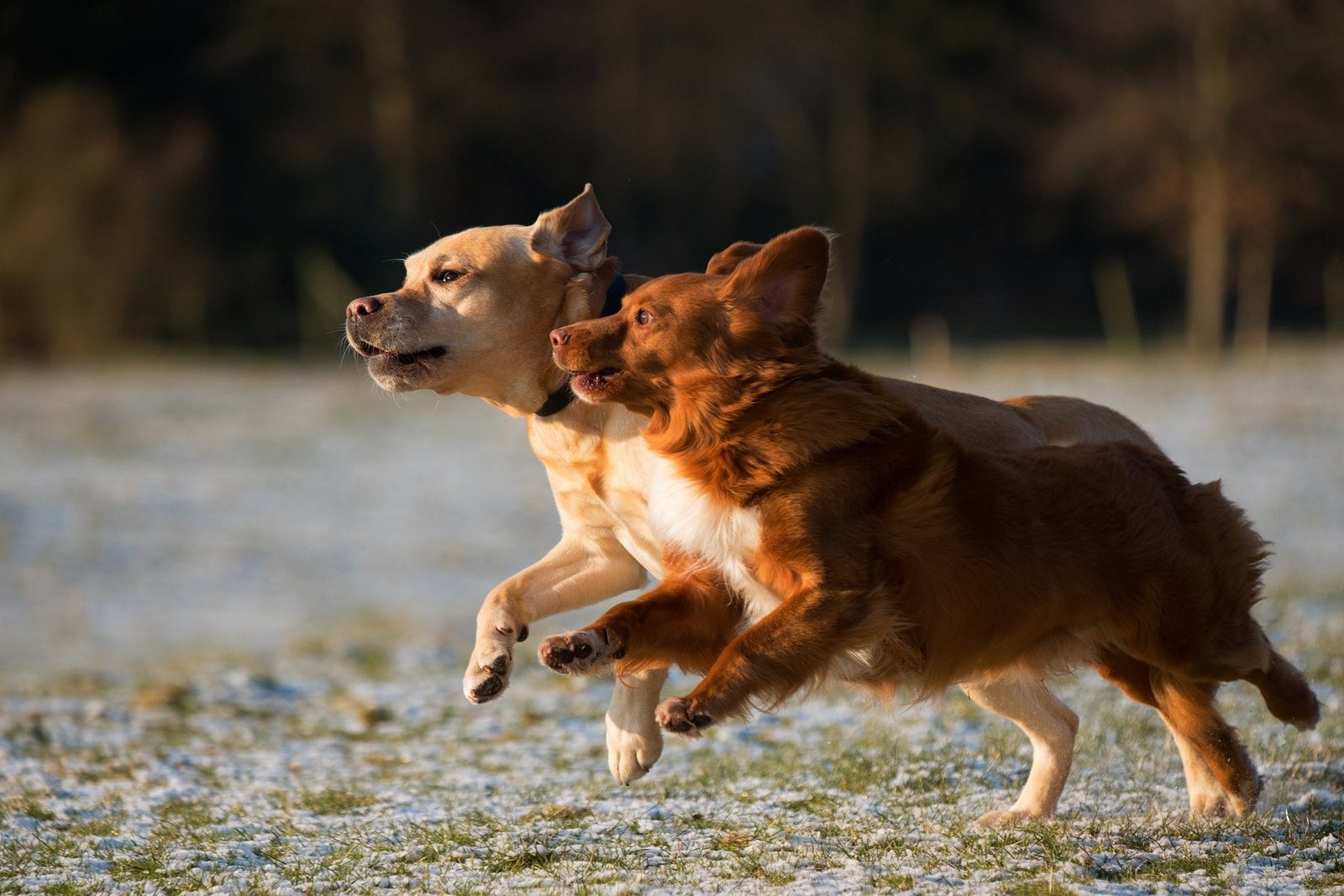
Bella, a shy rescue dog, wasn’t interested in toys. Her owner, Maria, arranged playdates with a friend’s Golden Retriever, Max, who adored fetch. “Bella watched Max chase the ball and eventually joined in,” Maria said.
Seeing another dog enjoy fetch helped Bella grasp the game. “Now she plays like a pro,” Maria said. “It’s wonderful to watch her confidence grow.”
What If My Dog Still Doesn’t Chase a Ball?

If your dog doesn’t enjoy chasing a ball despite your efforts, don’t worry. Some dogs simply prefer different activities. Here are some alternatives:
-
Tug-of-War: A fun way to bond and expend energy.
-
Hide-and-Seek: Hide treats or toys and encourage your dog to find them.
-
Puzzle Toys: Challenge your dog’s mind with interactive games.
-
Agility Training: Boost confidence through obstacle courses.
The key is discovering what makes your dog happiest. Remember, the goal of any activity is to create positive experiences and deepen your bond.
Conclusion
Teaching your dog to chase a ball can be a fulfilling experience, but it requires patience and understanding. By using the right tools, positive reinforcement, and a bit of creativity, you can help your dog learn to enjoy this classic game.
Whether your dog becomes a fetch enthusiast or prefers other activities, the most important thing is spending quality time together. As Luna, Charlie, and Bella’s stories demonstrate, every dog has the potential to surprise you with what they enjoy-it just takes time and encouragement to discover it!
Frequently Asked Questions
Here are some common questions dog owners may have about this topic.
Why might my dog not chase a ball naturally?
Some dogs don’t instinctively chase balls due to factors like breed traits, lack of early exposure, or low motivation. Health issues or past negative experiences with balls can also cause reluctance. Understanding your dog’s individual preferences and background helps tailor your approach to teaching them fetch.
How do I choose the best ball for my dog to encourage chasing?
Select a ball suited to your dog’s size and preferences. Smaller dogs benefit from lightweight, soft balls, while textured or squeaky balls can capture attention. Avoid tennis balls for large dogs who might chew through them, opting instead for durable, safe toys designed for fetch.
What are effective ways to introduce a ball to a dog unfamiliar with fetch?
Introduce the ball positively by allowing your dog to sniff and explore it calmly. Rolling the ball gently on the floor can engage their curiosity. Reward any interaction with praise or treats to create a positive association and encourage them to chase and play.
Can treats or toys help motivate my dog to chase a ball?
Yes, incorporating treats or favourite toys can increase your dog’s interest. Hiding treats inside hollow balls or attaching toys makes the game more rewarding. Consistently rewarding your dog for engaging with the ball, even minimally, builds enthusiasm for chasing and retrieving.
How can I ensure playing fetch is safe and enjoyable for my dog?
Choose suitable balls that won’t harm your dog’s teeth or pose choking risks, and play in a safe environment free from hazards. Pay attention to your dog’s energy levels and health, stopping if they show discomfort. Positive reinforcement and patience help keep the game fun and stress-free.