
Many dog owners assume that all dogs love chasing balls, but the truth is not every dog is naturally enthusiastic about fetch. While some pups eagerly sprint after a ball with endless energy, others may simply sit back and watch, showing little interest. If your dog isn’t keen on chasing a ball, there’s no need to worry-each dog has its own unique preferences and instincts. This blog dives into some reasons why your dog might not enjoy this activity, along with real-life stories from dog owners who found creative ways to either address or embrace their dog’s individual likes and dislikes.
Why Doesn’t My Dog Like to Chase a Ball?

1. Breed Instincts
Different breeds were developed for different purposes. Retrievers and herding breeds like Labradors or Border Collies have a natural drive to chase, retrieve, or work. Conversely, breeds such as Bulldogs, Basset Hounds, or Shih Tzus may not share the same enthusiasm for high-energy activities like ball chasing. Their instincts often align with other behaviours.
2. Personality and Preferences
Just like people, dogs have distinct personalities. Some are energetic thrill-seekers, while others are more laid-back and prefer gentler activities. If your dog isn’t interested in chasing a ball, it might simply come down to personal preference.
3. Lack of Understanding
Some dogs may not grasp the idea of chasing and retrieving. For instance, if a dog wasn’t introduced to fetch as a puppy, they might not realize what’s expected. They might watch the ball being thrown but not understand that they should bring it back.
4. Physical Limitations

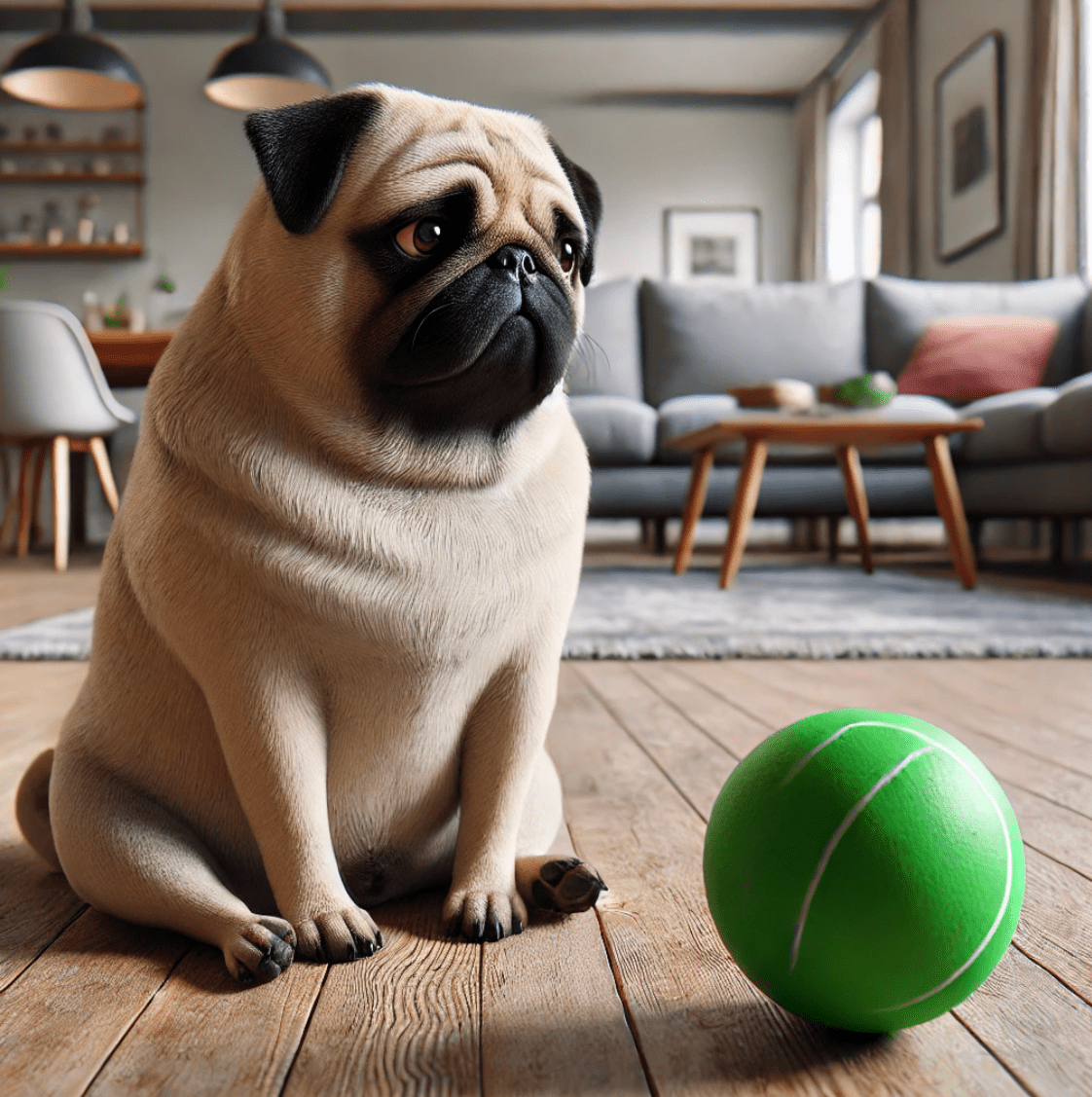
Dogs suffering from joint pain, arthritis, or other physical issues might find chasing a ball uncomfortable or even painful. For brachycephalic breeds (those with short noses like Pugs or Bulldogs), running and breathing can be more difficult, making fetch less appealing.
5. Fear or Anxiety
Sometimes a dog may associate the ball or the act of chasing it with something negative. If they’ve had a bad experience-like accidentally being hit by the ball-they might develop fear or aversion toward it.
Real Stories from Dog Owners

To offer insight on how to handle this, here are three stories from dog owners who addressed their dog’s disinterest in chasing a ball:
Story 1: Ruby and the “Treat Ball” Approach
Ruby’s owner, Sarah, was initially disappointed when her Labrador Retriever showed no interest in playing fetch. “I expected Ruby to be a natural, but she just stared at the ball and refused to move,” Sarah recalled.
After some experimentation, Sarah tried using a treat-dispensing ball. She filled it with Ruby’s favourite treats and rolled it across the floor. Ruby quickly became engaged, chasing the ball to get the treats out. Over time, Sarah transitioned back to a regular ball, rewarding Ruby with treats for retrieving it. “Now she loves playing fetch,” Sarah shared, “even when there aren’t any treats involved!”
Story 2: Max’s Preference for Tug-of-War
Max, a five-year-old Bulldog, never showed interest in chasing balls. His owner, David, tried various types-rubber, tennis, squeaky-but nothing worked. “Max would just give me a look that said, ‘You’ve got to be kidding me,'” David laughed.
Rather than forcing fetch, David explored other games and discovered that Max loved tug-of-war. “He’s so strong and gets really excited when we play,” David explained. Although fetch never became part of their routine, David realized Max’s happiness mattered more than sticking to one specific game. “Tug-of-war is our thing, and that’s perfectly fine,” he added.
Story 3: Bella Learns Through Example
Bella, a shy mixed-breed dog, was adopted by Maria from a local shelter. Maria noticed early that Bella wasn’t interested in playing fetch. “She’d just watch the ball roll away and then look back at me,” Maria said.
Maria enlisted the help of her friend’s Golden Retriever, Duke, who loved fetch. During playdates, Maria would throw the ball for Duke while Bella observed. Gradually, Bella began to show interest. “I think she learned by watching Duke,” Maria explained. “One day, she just ran after the ball and brought it back to me. It was such a proud moment!”
Now, Bella enjoys fetch-especially when Duke is around to join in the fun.
How to Encourage Your Dog to Chase a Ball

If you want to help your dog enjoy chasing a ball, try these tips:
1. Start with Positive Reinforcement
Reward your dog with treats, praise, or play whenever they show interest in the ball. Even small actions like sniffing or touching the ball deserve encouragement.
2. Use the Right Ball

Choose a ball that fits your dog’s size and preferences. Soft, squeaky balls may be more engaging than hard tennis balls for some dogs.
3. Make It Fun
Turn the game into an exciting experience by adding movement, like gently rolling the ball or playing on soft grass. Avoid overwhelming your dog with long throws at first.
4. Pair the Ball with Rewards
Incorporate treats or favorite toys as incentives. For example, throw the ball and reward your dog when they bring it back, even if only halfway.
5. Practice Patience
If your dog doesn’t show immediate interest, don’t get discouraged. Some dogs need time to warm up to new activities.
6. Try Different Activities
If chasing a ball isn’t your dog’s thing, explore other games like tug-of-war, hide-and-seek, or agility training. Finding an activity they love is what truly matters.
When to Consult a Professional

If your dog’s reluctance to chase a ball is due to fear, anxiety, or past trauma, consulting a professional dog trainer or behaviourist can be beneficial. They can evaluate your dog’s behaviour and offer personalised guidance to build confidence and trust.
Conclusion
Not all dogs enjoy chasing balls, and that’s perfectly fine. Every dog is unique, with their own preferences and personality. Whether your dog loves fetch, prefers tug-of-war, or enjoys a completely different activity, the key is to engage with them in ways that bring them happiness.
As the stories of Ruby, Max, and Bella illustrate, understanding and respecting your dog’s individuality can strengthen your bond and make playtime more rewarding. So, if your dog doesn’t like chasing a ball, don’t worry-simply discover what brings them joy and embrace it!
Frequently Asked Questions
Here are some common questions dog owners may have about this topic.
Why doesn't my dog show interest in chasing a ball?
Not all dogs are wired to enjoy chasing balls. Breed instincts play a big role; some breeds like retrievers instinctively love fetch, while others prefer less active games. Additionally, a dog’s personality and past experiences can influence their enthusiasm for this activity.
Could physical issues affect my dog’s desire to chase a ball?
Yes, physical discomfort such as joint pain, arthritis, or breathing difficulties—especially in brachycephalic breeds—can make chasing a ball uncomfortable or even painful. Dogs with these limitations may avoid such activities to protect themselves from further discomfort.
How can I help my dog understand the game of fetch?
Some dogs might not grasp fetch naturally, especially if they weren’t introduced to it as puppies. Patience and gradual training with positive reinforcement, like treats or praise, can help your dog learn to associate chasing and retrieving the ball with fun and rewards.
Is it normal for some dogs to prefer other games over ball chasing?
Absolutely. Just like people, dogs have unique preferences. Some may enjoy gentle tug games, scent work, or puzzle toys more than chasing balls. It’s important to respect your dog’s interests and find activities that keep them engaged and happy.
What if my dog is fearful or anxious about chasing a ball?
If a dog has had a negative experience involving a ball, such as being accidentally hit, they might develop fear or anxiety around it. In these cases, slowly reintroducing the ball with positive associations, or finding alternative play options, can help your dog feel safe and enjoy playtime again.