
Potty training a puppy is one of the first and most important lessons for any new dog owner. While the process can feel daunting, especially in the early days, with the right tools, patience, and consistency, your puppy can learn where to go (and where not to go) in no time.
In this comprehensive guide, we’ll break down exactly how to potty train a puppy, including how long it typically takes, what you’ll need, common mistakes to avoid, and what to do when accidents happen.
Why Potty Training is So Important
Teaching your puppy where to relieve themselves isn’t just about hygiene. It’s about helping them understand boundaries, building trust, and setting the tone for future training. A house-trained dog is a happier, more confident dog—and you’ll be a much happier owner.
When Should You Start Potty Training a Puppy?
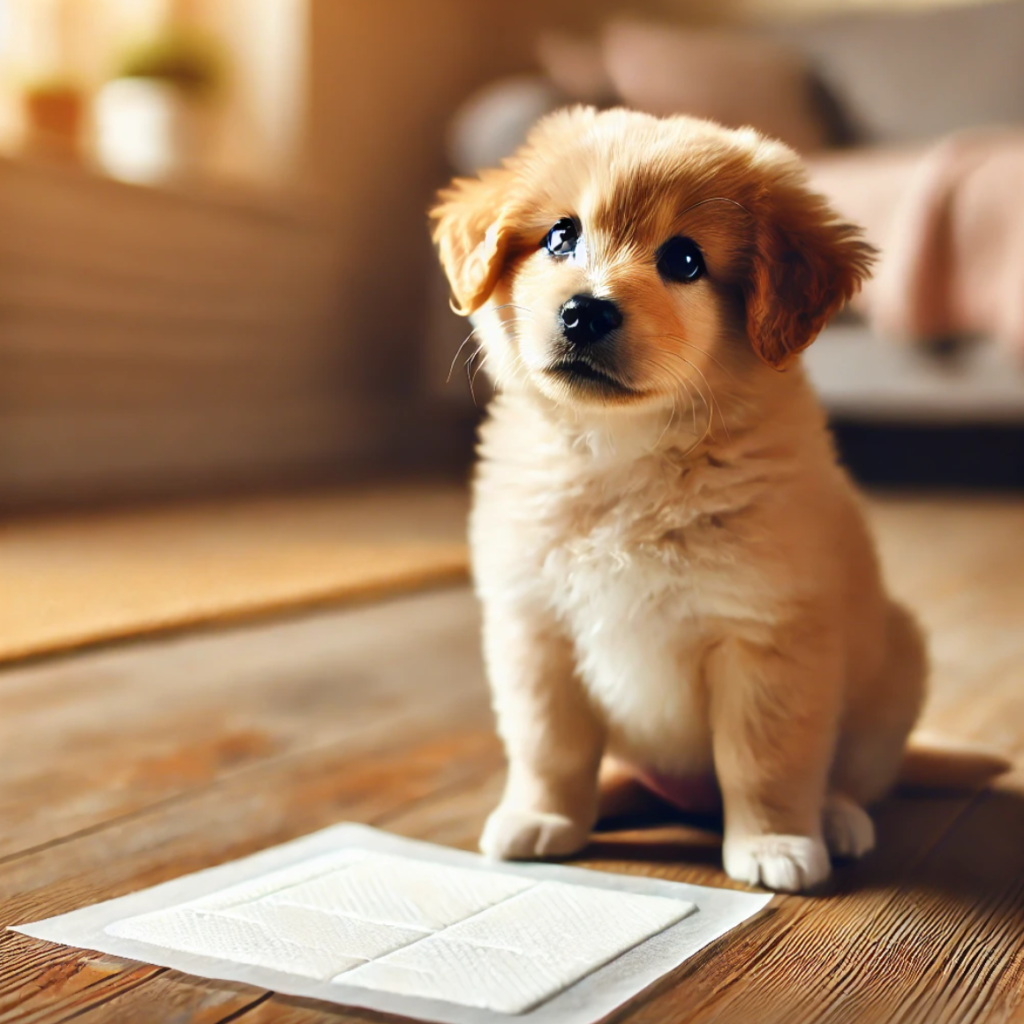
The best time to start potty training is as soon as you bring your puppy home—typically around 8 weeks old. At this age, puppies are old enough to begin learning simple commands and routines.
However, remember that their bladder and bowel control are still developing. Expect frequent potty breaks—every hour or two in the beginning.
Supplies You’ll Need for Potty Training
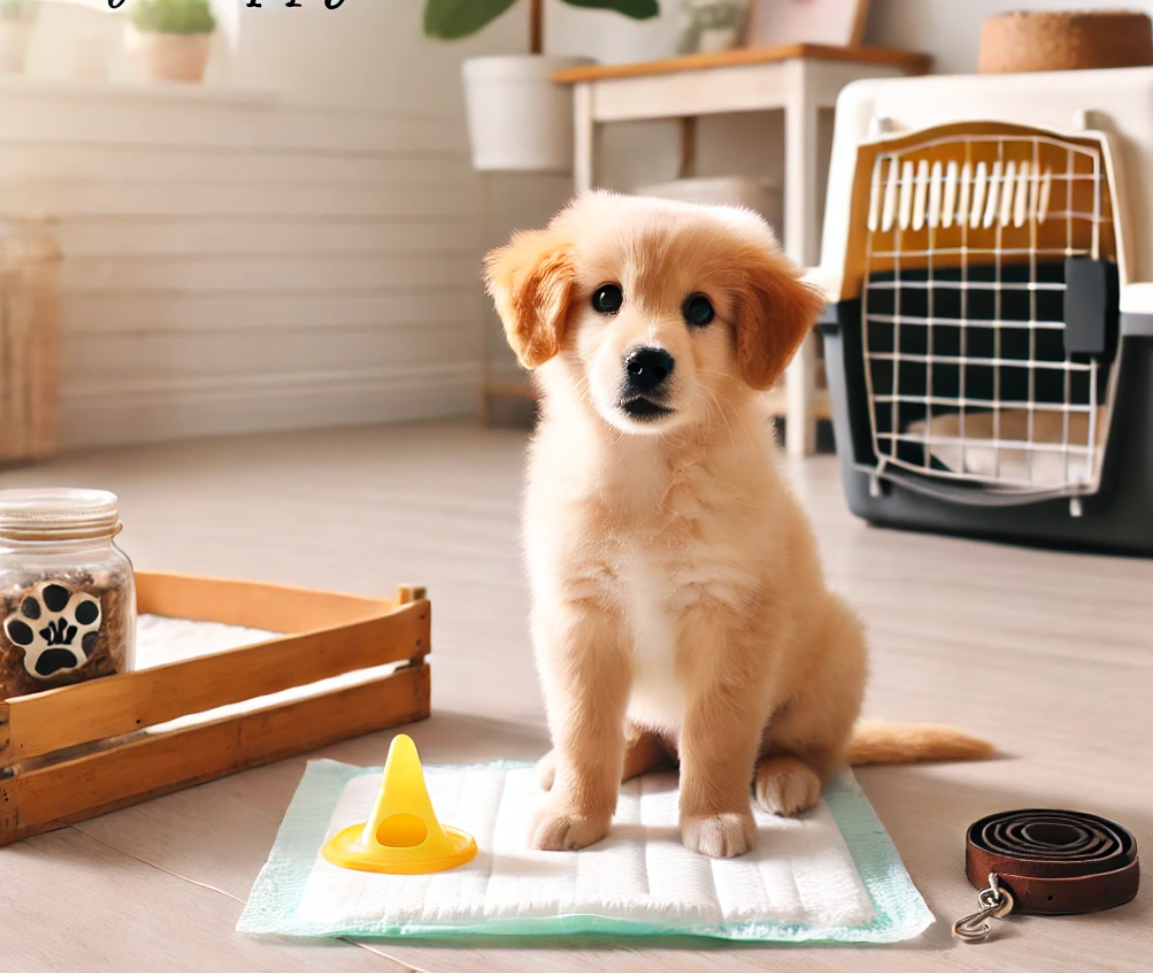
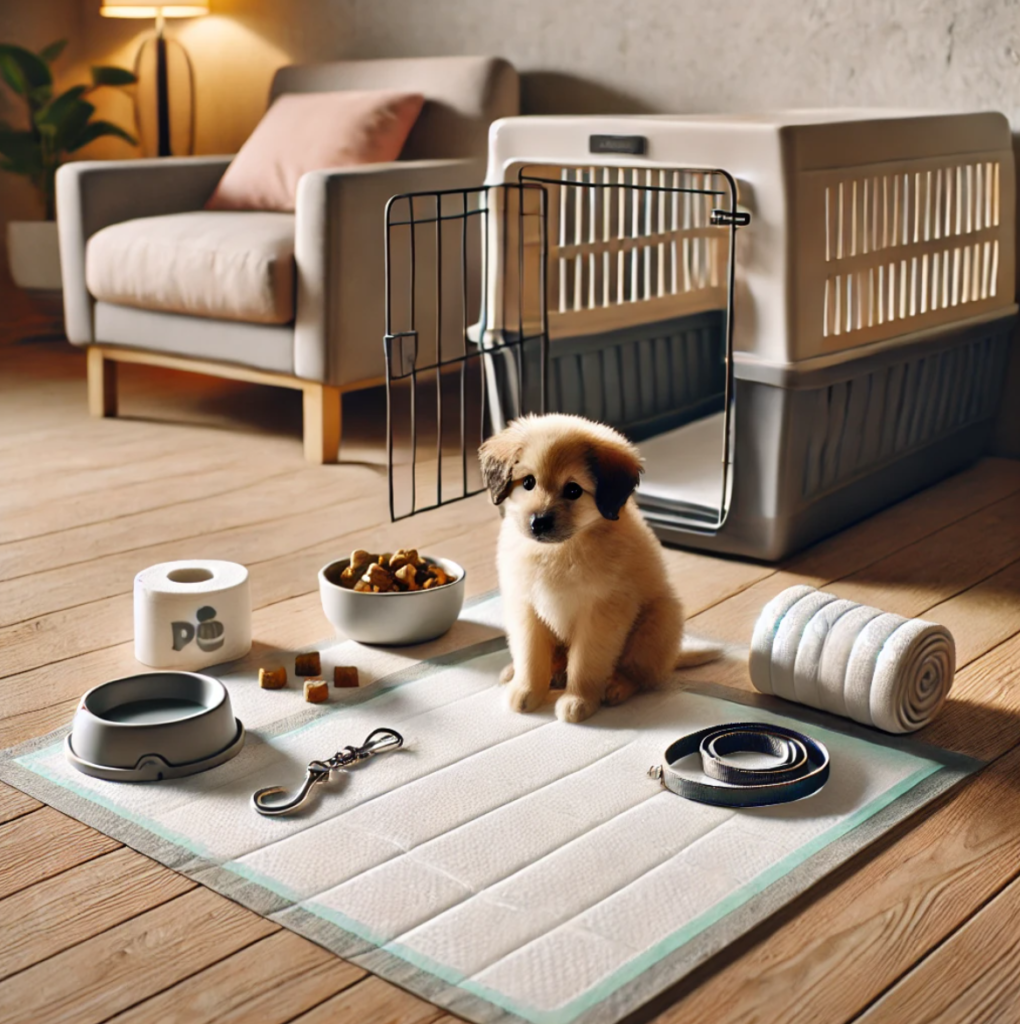
Before you begin, gather the right tools to set you and your puppy up for success:
- Crate: Helps with supervision and teaches bladder control
- Pee pads: Useful for indoor training and small breeds
- Enzyme cleaner: To clean up accidents without leaving scent markers
- Treats: For positive reinforcement
- Lead: For guiding to the potty spot
- Designated potty area: Whether indoor or outdoor
Step-by-Step Guide: How to Potty Train a Puppy
1. Set a Consistent Schedule
Dogs thrive on routine. Feed your puppy at the same times each day and take them out shortly after eating, drinking, waking up, or playing.
Typical Puppy Potty Schedule:
- First thing in the morning
- After meals (within 10–15 minutes)
- After playtime
- After naps
- Before bedtime
- Every 1–2 hours during the day
2. Choose a Potty Spot
Whether it’s a certain patch of grass or a pee pad in a bathroom, pick a consistent location. Lead your puppy there every time, using a cue like “Go potty.”
3. Reward Immediately
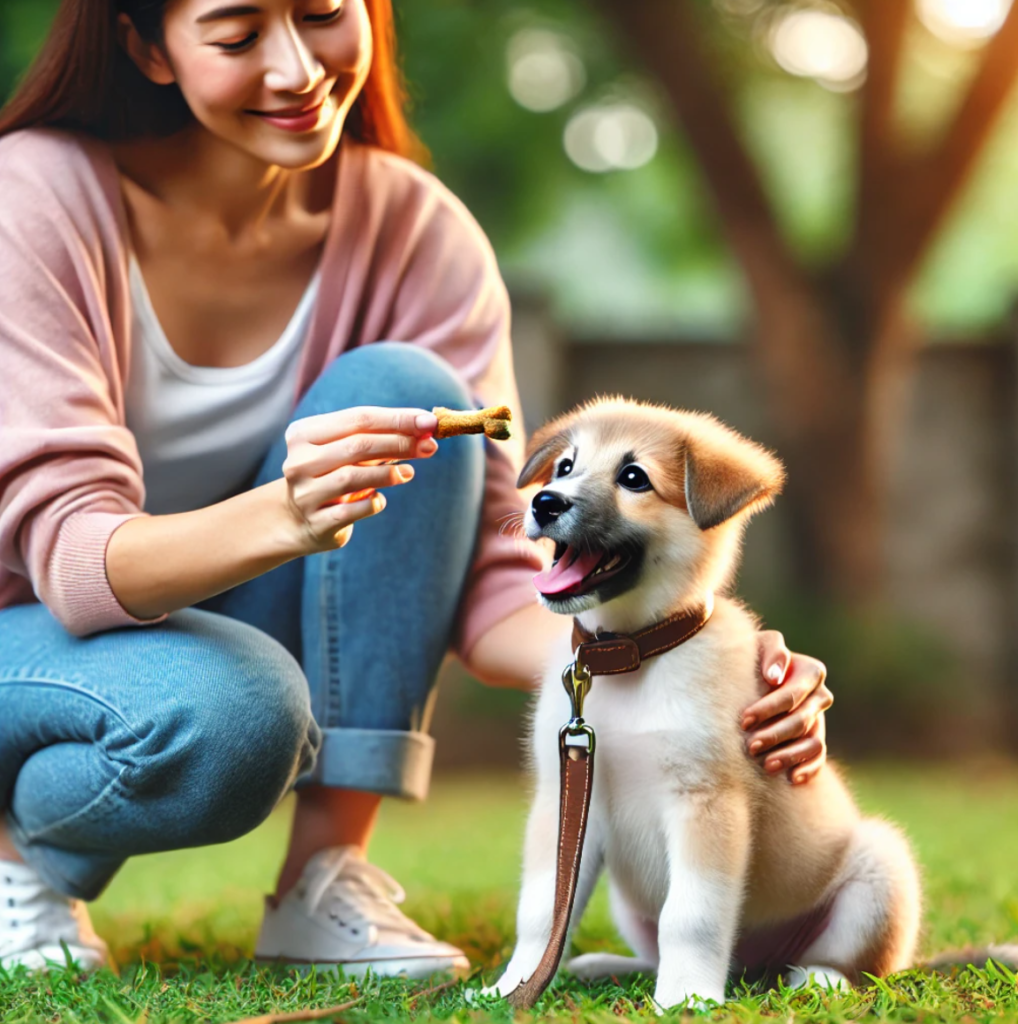
When your puppy goes in the right place, praise them excitedly and offer a small treat. Timing is key—reward right after they finish, not after they return inside.
4. Use Crate Training
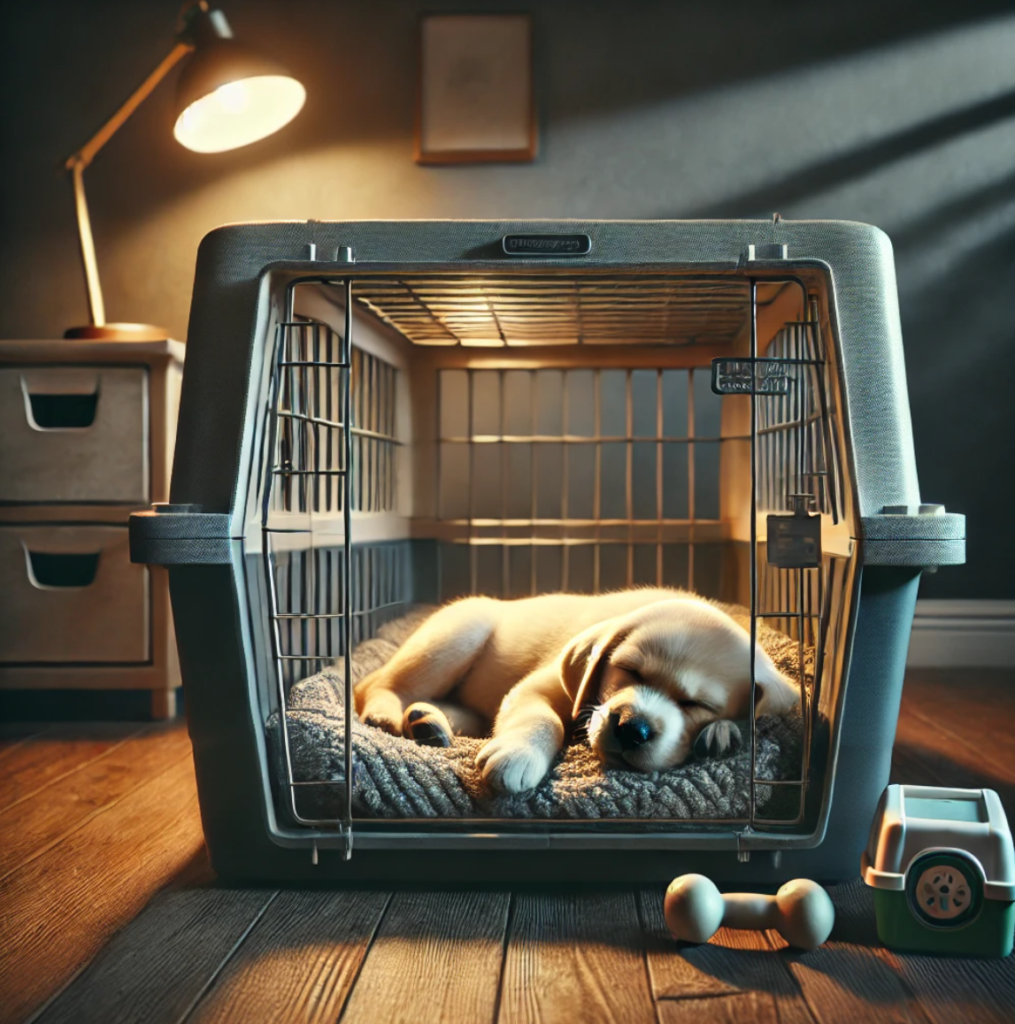
Dogs naturally avoid soiling their sleeping area. A properly sized crate encourages control and allows you to monitor their habits. Don’t use the crate as punishment. If you haven’t introduced a crate yet, our step-by-step guide to crate training a puppy walks through the two-week plan we used with Figo, including how to get the size right.
5. Supervise Constantly
If your puppy is roaming the house unsupervised, accidents will happen. Use gates or keep them on a lead indoors.
6. Handle Accidents Calmly
When accidents occur—and they will—don’t scold your puppy. Clean the area thoroughly with enzyme cleaner and try to determine what caused the mistake (missed cue? too much freedom?).
How Long Does Potty Training Take?
Most puppies can be mostly potty trained by 4 to 6 months of age, but it varies. Smaller breeds may take longer due to smaller bladders. Consistency, attention, and early socialisation all influence progress.
Even after initial success, your puppy might have setbacks. Stick to your routine and praise positive behaviour.
Common Mistakes to Avoid
- Inconsistency: Not sticking to feeding and potty schedules
- Punishing accidents: Leads to fear, not learning
- Not cleaning thoroughly: Lingering smells can encourage repeat offenses
- Too much freedom too soon: Puppies earn freedom with reliable behaviour
What If It’s Not Working?
If you’ve been consistent for weeks and your puppy is still having frequent accidents, consider the following:
- Health issues: Urinary infections or parasites can affect control
- Too much water before bedtime: Adjust access to water in the evening
- Inadequate supervision: Are you watching them closely enough?
Consult your vet to rule out any medical problems — our guide to finding a vet you can trust is a good place to start if you haven’t registered with one yet.
Extra Tips for Faster Potty Training
- Set a phone alarm as a reminder to take your puppy out
- Keep a potty journal to track patterns
- Use command words (“Go potty!”) to create a verbal association
- Avoid puppy pads long-term if you plan to train outdoors
Night-Time Potty Training
Young puppies often need 1–2 toilet trips overnight. Set an alarm and take them out quietly, keeping lights low and skipping playtime. Gradually they’ll sleep through the night as they grow. If the crying carries on after they’ve been out, that’s a different problem — we’ve covered what to do when a puppy cries at night separately, including how to tell a genuine toilet request from settling.
Final Thoughts: Potty Training Takes Patience—But It Works
Learning how to potty train a puppy is a mix of timing, tools, and understanding your pup’s signals. The good news? Puppies want to do the right thing—they just need your guidance.
Be patient, consistent, and positive. Celebrate small wins. And don’t hesitate to ask a dog trainer for help if you feel stuck. Before long, you’ll have a clean home—and a proud, confident pup.
Got a new puppy and need help with crate training or behaviour issues? Have a look at the training tools and collars we use ourselves over at Calmshops.
Frequently Asked Questions
Here are some common questions dog owners may have about this topic.
When is the best time to start potty training a puppy?
Begin potty training as soon as you bring your puppy home, usually around eight weeks old. At this stage, puppies can start learning simple routines, although their bladder control is still developing, so frequent potty breaks every one to two hours are necessary initially.
What essential supplies do I need to potty train my puppy effectively?
Key supplies include a crate to aid bladder control and supervision, pee pads for indoor training or small breeds, enzyme cleaner to remove accident scents, treats for positive reinforcement, a leash to guide your puppy, and a designated potty spot to establish consistency.
How important is it to stick to a schedule during potty training?
A consistent schedule is vital as puppies thrive on routine. Taking your puppy out at regular times, such as after eating, waking up, playing, and before bedtime, helps them understand when and where to go, speeding up the training process and reducing accidents.
Why should I use a crate during potty training, and how do I do it correctly?
Crate training leverages a dog’s natural instinct to keep their sleeping area clean, helping them develop bladder control. Ensure the crate is appropriately sized and never use it as punishment. It also allows you to supervise your puppy closely and detect when they need a potty break.
What should I do if my puppy has an accident indoors?
If an accident occurs, clean the area immediately with an enzyme cleaner to eliminate odours that might encourage repeat accidents. Avoid punishment, as it can create fear. Instead, reinforce positive behaviour by taking your puppy to the designated potty spot regularly and rewarding them when they go there.