
When it comes to caring for our pets, one of the most often overlooked yet vital topics is blindness in dogs. Losing vision doesn’t mean your furry friend’s life can’t remain happy and fulfilling. With proper support, blind dogs adapt impressively well, finding joy in new routines, safe surroundings, and even playtime. In this post, I’ll explain how to recognise signs of vision loss, answer the common question “how to tell if my dog is blind,” highlight the best toys for blind dogs, and offer insights into blind dogs adoption.
What Causes Blindness in Dogs?

Blindness in dogs can result from various causes, some temporary and others permanent. Common reasons include:
-
Cataracts: Clouding of the eye lens that often worsens with age.
-
Glaucoma: A painful increase of pressure inside the eye.
-
Progressive Retinal Atrophy (PRA): A hereditary condition causing gradual vision deterioration.
-
Injury or trauma: Accidents that damage the eye or optic nerve.
-
Diabetes: Often leads to cataracts if left untreated.
Identifying the cause of blindness is essential because some conditions can be treated or even reversed with prompt veterinary intervention.
How to Tell if My Dog Is Blind

It’s not always easy to notice when your dog’s vision is deteriorating. Dogs are experts at compensating, relying on their sense of smell, hearing, and memory to navigate. However, these signs may suggest your dog is going blind:
-
Bumping into furniture or walls
If your dog suddenly appears clumsy in familiar places, it could be due to vision changes. -
Hesitation in new environments
Dogs with vision loss tend to be cautious when exploring unfamiliar areas. -
Cloudy eyes or noticeable eye changes
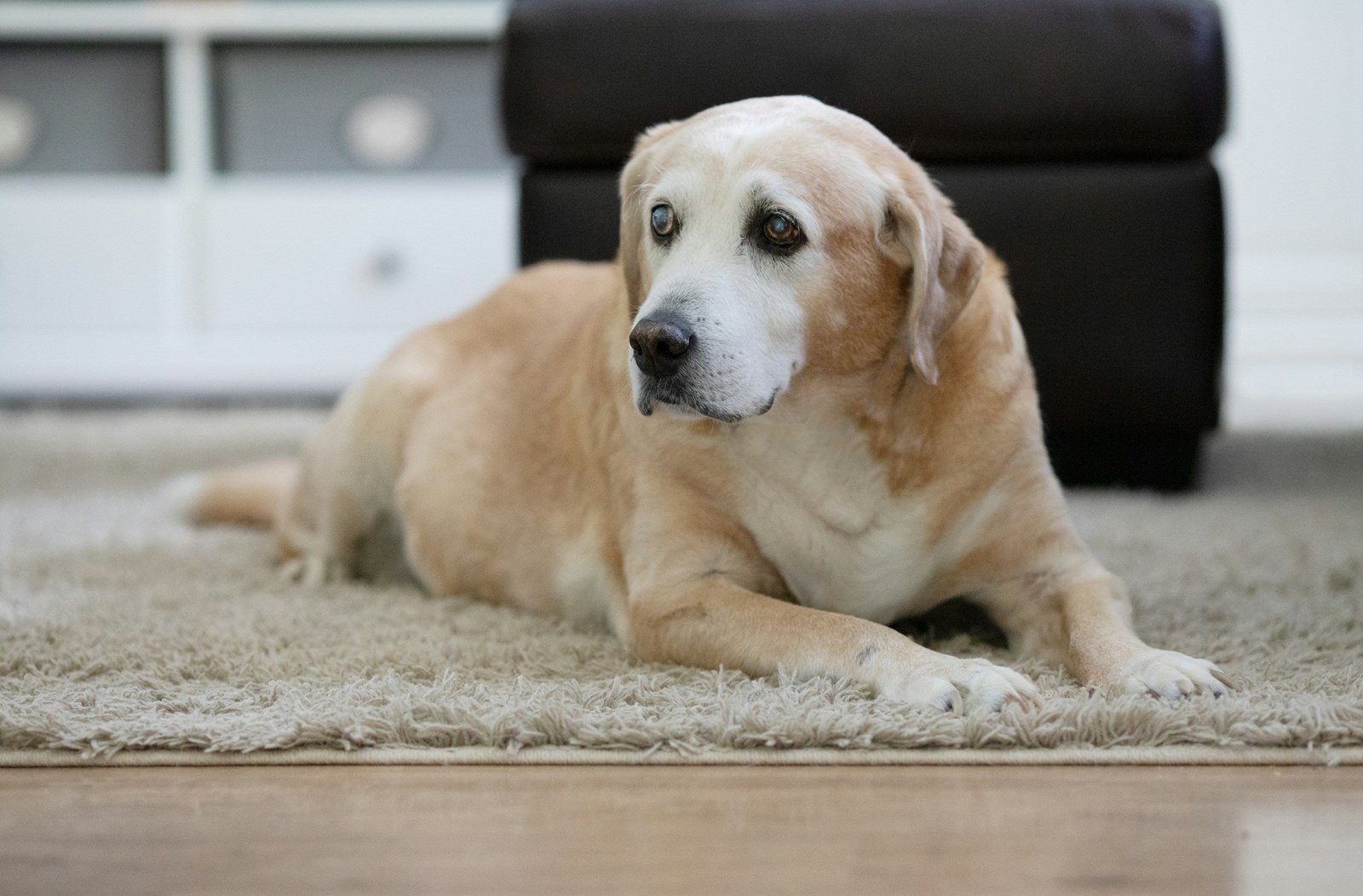
A milky or bluish tint in the eyes may indicate cataracts or other eye issues. -
Increased anxiety
Blind dogs might show signs of stress when routines change or when startled. -
Reluctance to go outside in the dark
Night blindness can be an early symptom of certain degenerative eye diseases.
If you observe these signs, arrange a veterinary examination. Only a professional can confirm vision loss and determine its cause.
Helping a Dog Adjust to Blindness
After identifying vision loss, the next step is to support your dog’s adjustment. Consider these helpful strategies:
-
Maintain a consistent home layout: Avoid frequently rearranging furniture. Blind dogs depend on memory and scent to navigate their surroundings.
-
Use sound cues: Bells, whistles, or tapping noises can help guide your dog.
-
Create a safe zone: Designate a quiet, comfortable space with food, water, and their bed.
-
Train with verbal commands: Words like “step” or “stop” assist them in avoiding obstacles.
-
Lead guidance: When walking, use gentle tension and consistent commands.
With patience, blind dogs learn to trust their other senses and confidently navigate their world.
Toys for Blind Dogs

Playtime remains just as important for blind dogs as it is for sighted pets. While sighted dogs rely heavily on visual cues, blind dogs benefit from toys that engage their other senses. The best toys for blind dogs include:
-
Scented Toys
Toys infused with safe, dog-friendly scents make it easier for blind dogs to find and enjoy them. -
Noisy Toys
Balls with bells, squeakers, or crinkly sounds provide auditory stimulation during play. -
Textured Toys
Varied surfaces add tactile interest, keeping play engaging. -
Treat-Dispensing Toys
Puzzle feeders and chew toys that release treats offer mental stimulation paired with a rewarding experience.
Playtime strengthens your bond and keeps your blind dog physically and mentally active.
Blind Dogs Adoption: Giving Every Dog a Chance

Unfortunately, many blind dogs end up in shelters because potential owners worry about the challenges involved. This is why blind dogs adoption is so important. Rescuing a blind dog not only saves a life but also brings tremendous joy to your home.
Consider these points if you’re thinking about adopting a blind dog:
-
Commitment to training: Blind dogs flourish with patient owners who are willing to teach new commands.
-
Safety-proof your home: Cover sharp edges, secure stairs, and reduce clutter.
-
Understand adaptability: Blind dogs often adjust more quickly than expected, relying on their senses of smell and hearing.
-
Lifelong support: Regular veterinary visits and a loving routine help blind dogs live long, happy lives.
Adoption centres and charities frequently offer guidance and resources for families ready to welcome a blind dog. The reward? A devoted companion who exemplifies true resilience.
Practical Everyday Tips for Living with a Blind Dog
-
Use varied floor textures: Rugs can serve as “road signs” that help guide your dog.
-
Speak often: Your voice reassures and orients them.
-
Introduce new environments gradually: Allow them to sniff and explore at their own pace.
-
Train other pets: Teach sighted pets not to startle or overwhelm the blind dog.
-
Celebrate achievements: Every small victory, like mastering a new room, deserves praise.
The Emotional Side of Blindness in Dogs
As pet owners, it’s natural to feel sadness or fear when facing your dog’s vision loss. However, remember that dogs don’t grieve sight the way humans do. Instead, they adapt and continue living fully in the present. By remaining calm and supportive, you help them feel safe and secure.
Dogs live in the moment. Whether sighted or blind, what matters most is your companionship, love, and care.
Last Bark
Blindness in dogs doesn’t mean the end of joy, play, or companionship. By recognising early signs, asking “how to tell if my dog is blind,” and making simple adjustments, you can help your pet thrive. Investing in toys for blind dogs keeps them engaged, while considering blind dogs adoption offers overlooked pets a chance at happiness.
Every dog, whether sighted or blind, deserves love, patience, and the opportunity to live life to the fullest. With your care and support, your blind dog will continue to enjoy every tail wag, cuddle, and adventure by your side.
Frequently Asked Questions
Here are some common questions dog owners may have about this topic.
What are the early signs that my dog might be going blind?
Early signs of blindness in dogs include bumping into furniture, hesitating in new environments, and changes in the eyes such as a cloudy or bluish tint. You might also notice increased anxiety or reluctance to go outside in dim light, which can indicate deteriorating vision.
How can I help my dog adapt to living with blindness?
To help a blind dog adjust, maintain a consistent home layout to support their navigation using memory and scent. Use sound cues like bells or tapping to guide them, create a safe and quiet space with their essentials, and rely on clear verbal commands to assist with training.
Are there specific toys that are better suited for blind dogs?
Yes, toys that make noise or have distinctive scents are ideal for blind dogs as they rely more on hearing and smell. Soft squeaky toys, balls with bells inside, or toys infused with dog-safe scents can encourage play and engagement despite vision loss.
Can blindness in dogs be treated or reversed?
Some causes of blindness, such as cataracts or glaucoma, may be treated if caught early through veterinary care. However, hereditary conditions like Progressive Retinal Atrophy often lead to permanent vision loss. Prompt diagnosis is essential to explore possible treatment options.
What should I consider when adopting a blind dog?
When adopting a blind dog, consider your ability to provide a safe, stable environment and patience for training. Blind dogs can live happy lives but need consistent routines and guidance. It’s important to understand their specific needs and be prepared to support their adjustment.