
Introduction
The first time Figo went off his food for a whole day, I was straight on the phone to the vet – it’s amazing how quickly your mind runs through worst-case scenarios when your dog just isn’t himself. He’d turned out to have scoffed something dodgy on a walk and was fine within a day or two, but that “something’s wrong, I just don’t know what” feeling is one every dog owner will recognise.
The tricky part is that dogs can’t tell us what’s bothering them. We have to read their body language and behaviour instead, which is why knowing the early signs of illness in dogs matters so much.
This guide walks through the most common symptoms of a sick dog and flags the signs you should never ignore. A quick note before we start: nothing here is a substitute for a proper diagnosis. If you’re ever in doubt about what you’re seeing, speak to your vet rather than waiting to see how things develop.
Why Recognising Sick Dog Symptoms Matters
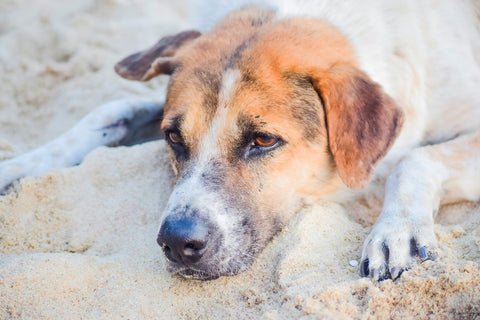
Identifying illness early can be the difference between a simple treatment and a serious health crisis. According to the American Kennel Club, many conditions-from digestive upset to infections-are more manageable when caught early.
By recognising common symptoms, you can respond promptly, whether by monitoring your dog at home or seeking professional veterinary advice.
Common Sick Dog Symptoms

1. Changes in Appetite or Drinking
This is usually the first thing I notice with Figo – if his bowl’s still full an hour after dinner, my ears prick up. A few things to watch for:
-
Eating less or refusing food: Missing a single meal can happen, but refusing food for over 24 hours may indicate illness.
-
Excessive drinking: Could signal diabetes, kidney disease, or hormonal imbalances.
-
Loss of interest in treats: A strong warning sign, especially in dogs usually motivated by food.
The RSPCA notes that appetite changes are often among the first visible signs of illness in dogs, and it’s worth mentioning that both diabetes and kidney disease can announce themselves this way – so if excessive drinking or appetite loss doesn’t settle within a day or so, it’s worth a call to your vet rather than waiting it out. We’ve also written a separate guide on how to know if your dog isn’t eating enough, if that’s the specific worry.
2. Vomiting or Diarrhoea
Occasional stomach upset is common, but frequent vomiting or diarrhoea can indicate poisoning, infection, or gastrointestinal disease.
-
Blood in stool or vomit demands immediate veterinary attention.
-
Ongoing diarrhoea can cause dangerous dehydration.
If it’s the colour or consistency of what’s ended up on your lawn that’s worrying you rather than the frequency, we’ve a dedicated piece on why a dog’s poo might turn yellow and what it can mean.
3. Lethargy and Low Energy
If your dog seems unusually tired, avoids walks, or sleeps much more than usual, it could indicate:
-
Infection
-
Pain
-
Underlying chronic illness
A sudden drop in energy is one of the most commonly overlooked symptoms of a sick dog.
4. Breathing Difficulties
Laboured breathing, coughing, or wheezing may be signs of:
-
Respiratory infections
-
Allergic reactions
-
Heart conditions
If your dog’s breathing sounds noisy or strained, contact your vet immediately – this isn’t one to sit on. If it’s more of a persistent cough you’re dealing with, our guide to why your dog might be coughing covers the more common causes.
5. Weight Changes
It’s worth weighing your dog every few months if you can, since gradual changes are easy to miss day to day but can matter a lot.
-
Sudden weight loss may indicate metabolic disorders, parasites, or cancer.
-
Rapid weight gain could suggest thyroid problems or overeating combined with decreased activity.
Because “cancer” is on that list above, it’s worth saying plainly: weight loss has plenty of more mundane explanations too, but it’s not one to guess about either way. Get your vet to take a look.
6. Digestive Distress (Gas, Constipation, Bloating)
-
Bloating in dogs, especially deep-chested breeds like Great Danes, can be life-threatening and requires emergency treatment.
-
Chronic constipation may indicate dietary problems or an internal blockage.
Bloating in particular is a genuine emergency – if your dog’s abdomen looks swollen and they’re retching without bringing anything up, don’t wait, get to a vet straight away.
7. Behavioural Changes
Dogs often display behavioural changes before physical symptoms appear. Watch for signs such as:
-
Increased aggression or irritability
-
Restlessness or pacing
-
Withdrawal or hiding
According to the PDSA, sudden behavioural shifts should always be investigated.
8. Unusual Odours
Bad breath isn’t just unpleasant-it can signal dental disease, metabolic disorders, or digestive problems.
-
Ear odour: May indicate an ear infection.
-
Skin odour: Could be a sign of bacterial or fungal infections.
9. Fever or Shivering
A couple of numbers worth knowing:
-
A dog’s normal body temperature ranges from 38-39°C (101-102.5°F).
-
Shivering without exposure to cold may indicate pain, fever, or poisoning.
If your dog shivers or trembles fairly often and it’s not clearly linked to cold or excitement, our piece on why dogs shake runs through the harmless and the not-so-harmless reasons.
10. Limping or Stiffness
Not always dramatic, but worth watching for:
-
Sudden limping could be caused by injury, arthritis flare-ups, or ligament issues.
-
Because dogs often hide pain, limping may be intermittent-so observe carefully.
11. Changes in Urination or Defecation
Alterations in your dog’s urination or defecation patterns-such as frequent accidents indoors, straining, or a sudden change in frequency-can point to urinary tract infections, kidney problems, or gastrointestinal issues. If your dog struggles to pass urine or stool, or you notice a marked change either way, it’s worth prompt veterinary attention rather than waiting to see if it settles.
When to Call the Vet Immediately

Certain symptoms should never be ignored. Seek emergency veterinary care if your dog experiences:
-
Difficulty breathing
-
Seizures or collapse
-
Blood in stool, vomit, or urine
-
Extreme lethargy or unresponsiveness
-
Swollen abdomen accompanied by distress
-
Persistent vomiting or diarrhoea lasting more than 24 hours
The VCA Animal Hospitals identify these as urgent symptoms that require immediate veterinary evaluation.
At-Home Monitoring and Care
If symptoms are mild, you can carefully monitor your dog at home. Here are some steps to follow:
-
Ensure your dog stays hydrated by providing fresh water.
-
Offer a calm, quiet space for rest and recovery.
-
If vomiting occurs, withhold food briefly, then gradually reintroduce bland meals like boiled chicken and rice.
-
Keep a symptom journal to share detailed information with your veterinarian.
If your vet has prescribed medication, follow their instructions on dosage and timing exactly-some medicines need to be given with food, others on an empty stomach, and getting this wrong can reduce how well they work or cause side effects. If anything about the instructions is unclear, or your dog reacts badly to a medicine, contact your vet rather than guessing.
Preventing Sickness in Dogs
The best way to avoid sick dog symptoms is through prevention:
-
Keep vaccinations current.
-
Use flea, tick, and worm preventatives regularly.
-
Feed a balanced, high-quality diet.
-
Maintain consistent exercise routines.
-
Schedule annual veterinary check-ups.
Following these steps reduces the risk of both infectious and chronic illnesses.
Expert Advice on Long-Term Health
As a general rule, regular monitoring makes a real difference to catching illness early – it’s a big part of why we do a quick daily once-over with Figo, more habit than anything formal. Annual check-ups (and more frequent screenings once your dog’s a bit older) are one of the simplest ways to catch things before they become serious.
For behavioural symptoms, combining positive reinforcement training with calming aids (such as Calmdogs Calming Treats) can help alleviate stress-related illnesses.
Conclusion
Recognising common sick dog symptoms empowers you to safeguard your pet’s health. Appetite loss, vomiting, lethargy, and behavioural changes often appear first. While some issues are mild, others can indicate serious illness.
When you’re uncertain, always speak to your vet – nothing replaces someone who can actually examine your dog and tell you what’s going on. Organisations like the RSPCA publish good general guidance if you want further reading, but they’re not a substitute for a proper check-up. If you’re not registered with a practice yet, our county-by-county directory of vets will help you find one before you need one.
By learning to identify the early symptoms of a sick dog, you’ll be better equipped to respond swiftly, giving your furry companion the best chance for a healthy, happy life.
Frequently Asked Questions
What are the earliest signs that my dog might be sick?
Early signs often include changes in appetite, such as refusing food for more than 24 hours or losing interest in favourite treats. Other subtle symptoms include lethargy, unusual sleeping patterns, or slight behavioural changes. Monitoring these signs closely can help detect illness before it worsens.
When should I be concerned about my dog’s vomiting or diarrhoea?
Occasional vomiting or diarrhoea may not be serious, but frequent episodes, especially if accompanied by blood, require urgent veterinary attention. Persistent digestive upset can lead to dehydration and may indicate infections or poisoning, so it’s important not to ignore these symptoms.
How can changes in my dog’s drinking habits indicate illness?
Excessive drinking might be a sign of underlying conditions like diabetes or kidney disease, while reduced water intake could signal dehydration or other health issues. Noticing significant shifts in drinking habits should prompt closer observation and possibly a vet consultation.
What breathing symptoms in dogs warrant immediate veterinary care?
Laboured or noisy breathing, persistent coughing, wheezing, or any signs of respiratory distress are serious symptoms. These could indicate infections, allergic reactions, or heart problems, and require prompt assessment by a veterinarian to avoid complications.
Why is recognising weight changes important for my dog’s health?
Sudden weight loss might point to metabolic disorders, parasites, or even cancer, while rapid weight gain can suggest thyroid issues or reduced activity levels. Early detection of these changes enables timely diagnosis and treatment, helping to maintain your dog's overall wellbeing.