

As a pet owner, it can be upsetting to see your furry friend feeling unwell or in pain. Recognizing the signs and symptoms of illness in dogs and knowing how to respond is crucial. In this article, we’ll outline the steps you can take to help your dog feel better when they’re not feeling their best.
Monitor Your Dog’s Symptoms
The first step to helping your dog recover is to carefully observe their symptoms. Watch for any changes in appetite, energy levels, or behavior. Common signs that your dog may be unwell include:
- Loss of appetite
- Lethargy or decreased energy
- Vomiting or diarrhea
- Excessive panting or difficulty breathing
- Disorientation or confusion
- Changes in urination or bowel movements
- Increased thirst or frequent drinking
If you notice any of these symptoms or other unusual behaviors, it’s important to seek veterinary care promptly.
Provide Comfort and Support

When your dog is feeling unwell, they may experience discomfort or pain. Offering comfort and support can help ease their distress and promote their well-being. Here are some ways to provide comfort:
- Ensure they have a quiet, comfortable place to rest
- Provide plenty of fresh water
- Offer soft, cozy bedding
- Give gentle massages or cuddles, if your dog enjoys them
- Apply a warm or cool compress to any affected area
Keep in mind that not all dogs want to be touched or cuddled when they’re unwell, so always pay attention to your dog’s cues and respond accordingly.
Administer Medication as Directed
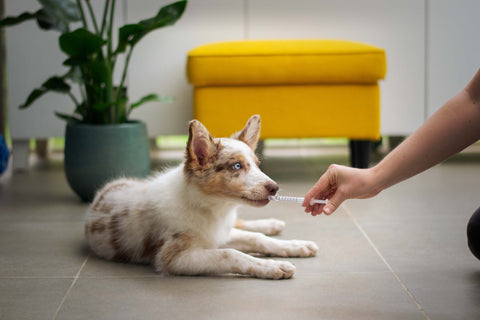
If your veterinarian has prescribed medication, it’s crucial to follow their instructions carefully. Administer the correct dosage at the recommended intervals, and be aware that some medications may need to be given with food, while others should be given on an empty stomach.
Also, be aware that some medications can cause side effects or interact with other drugs or supplements. If you have any questions or concerns, don’t hesitate to discuss them with your veterinarian.
Keep Your Dog Comfortable
Beyond providing comfort and support, maintaining a comfortable environment is essential for your dog’s recovery. This includes:
- Offering a well-ventilated, comfortable space
- Protecting your dog from extreme temperatures
- Maintaining a quiet, low-stress atmosphere
- Encouraging light exercise or physical therapy, if advised by your veterinarian
Remember, some illnesses may require more intensive care or hospitalization, so always follow your veterinarian’s guidance closely.
Follow Up with Your Veterinarian
Lastly, be sure to follow up with your veterinarian to monitor your dog’s recovery. They may suggest additional appointments, tests, or treatments to track your dog’s progress and ensure the treatment is effective. For help locating care, check out our guide to the best vets near you.
Keep in mind that some conditions require long-term management, so working closely with your veterinarian to develop a tailored treatment plan is essential for your dog’s health.
Last Bark
When your dog isn’t feeling well, it’s vital to monitor their symptoms, offer comfort and support, administer medications correctly, maintain their comfort, and stay in touch with your veterinarian. By following these steps, you’ll help your beloved companion recover and feel better as quickly as possible.
Frequently Asked Questions
Here are some common questions dog owners may have about this topic.
What are the first signs that my dog might be feeling unwell?
Common signs include loss of appetite, lethargy, vomiting, diarrhoea, excessive panting, disorientation, and changes in urination or thirst. Observing these early symptoms carefully helps ensure timely veterinary attention and better recovery outcomes for your dog.
How can I make my dog more comfortable when they are feeling bad?
Provide a quiet, cosy resting place with soft bedding and fresh water. Gentle massages or cuddles may help, but always watch your dog's reactions and respect their wishes if they prefer to be left alone. Temperature control and a calm environment also support their comfort.
What should I know about giving medication to my unwell dog?
Always follow your vet’s instructions precisely, including dosage and timing. Some medicines must be given with food, others on an empty stomach. Be alert for side effects or interactions with other drugs, and consult your vet if you notice anything unusual or have concerns.
Is it important to keep a follow-up schedule with the vet after my dog feels bad?
Yes, follow-up visits are crucial to monitor recovery and adjust treatment if needed. Your vet may recommend further tests or therapies to ensure your dog heals properly and prevent complications, so keeping appointments helps maintain your pet’s health.
When should I consider taking my dog to the vet urgently?
Seek urgent veterinary care if your dog shows difficulty breathing, persistent vomiting or diarrhoea, severe disorientation, or sudden changes in behaviour. These symptoms could signal serious conditions requiring prompt professional evaluation and treatment.