
As a dog owner, one of your most important duties is to provide your furry companion with a nutritious and well-balanced diet. A proper diet not only supports your dog’s health and happiness but also plays a key role in extending their lifespan. With so many options on the market, choosing the right food can feel overwhelming. In this blog, we’ll discuss the key factors to consider when selecting the ideal diet for your dog.
- Age and activity level

Your dog’s age and activity level significantly influence the type and quantity of food they require. For example, puppies need a diet rich in calories and protein to support their growth and development. In contrast, senior dogs have a slower metabolism and require fewer calories. Likewise, highly active dogs may need additional calories and protein to sustain their energy levels.
- Breed and size

Nutritional needs vary depending on your dog’s breed and size. Small breeds often require more frequent meals due to their faster metabolism, while larger breeds need larger portions to maintain their weight and energy. Additionally, some breeds are prone to specific health issues that may necessitate a specialised diet.
- Quality of ingredients
The ingredient quality in your dog’s food is essential for their overall health and wellbeing. Opt for diets containing high-quality protein sources, whole grains, and vegetables. Avoid foods with fillers, artificial preservatives, and by-products.
- Wet vs. dry food

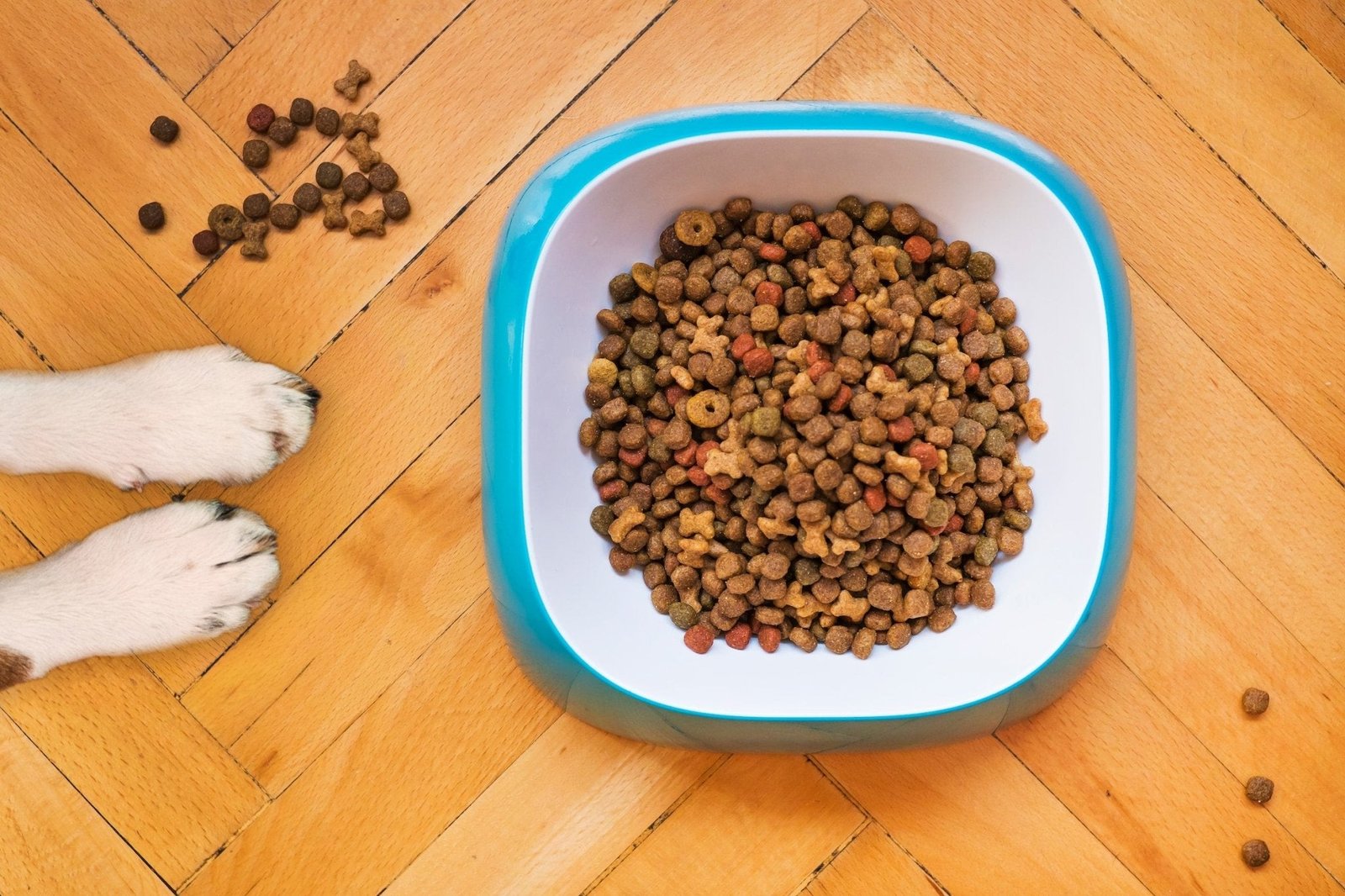
Both wet and dry dog foods have advantages and disadvantages. Wet food tends to be more palatable, contains higher moisture, and may be easier to digest. Dry food offers greater convenience, a longer shelf life, and can help maintain dental health. Ultimately, the choice between wet and dry food depends on your dog’s preferences and dietary needs.
- Homemade vs. commercial food
Homemade dog food can be a great choice for dogs with specific dietary needs or sensitivities. However, it’s important to ensure the diet is balanced and meets all nutritional requirements. Commercial dog foods are formulated to fulfill dogs’ nutritional needs and undergo strict testing to guarantee safety and quality.
In summary, providing your dog with a healthy, balanced diet is vital to their overall wellbeing. Take into account your dog’s age, activity level, breed and size, ingredient quality, and food type when deciding on their diet. Always consult your veterinarian to determine the best diet for your dog and make any necessary adjustments to support their ongoing health and happiness.
Frequently Asked Questions
Here are some common questions dog owners may have about this topic.
How does my dog's age affect what I should feed them?
Puppies require diets rich in calories and protein to support growth, while senior dogs need fewer calories due to a slower metabolism. Tailoring food intake to your dog's age helps maintain a healthy weight and energy level throughout their life stages.
Should I consider my dog's breed and size when choosing their food?
Yes, breed and size influence nutritional needs. Small breeds often need more frequent meals because of faster metabolism, whereas larger breeds require bigger portions. Some breeds may also need specialised diets to manage breed-specific health concerns.
What are the benefits of wet food compared to dry food for dogs?
Wet food is often more palatable, contains higher moisture content, and can be easier to digest, which is helpful for some dogs. Dry food is convenient, has a longer shelf life, and can aid in maintaining dental health through its texture.
Is homemade dog food a good alternative to commercial dog food?
Homemade food can suit dogs with particular sensitivities but must be carefully balanced to meet nutritional needs. Commercial foods are formulated to provide complete nutrition and undergo safety testing, making them a reliable choice for most dogs.
What should I look for in the ingredient list of my dog’s food?
Choose foods with high-quality protein sources, whole grains, and vegetables. Avoid products containing fillers, artificial preservatives, or by-products, as these can detract from your dog's overall health and wellbeing.