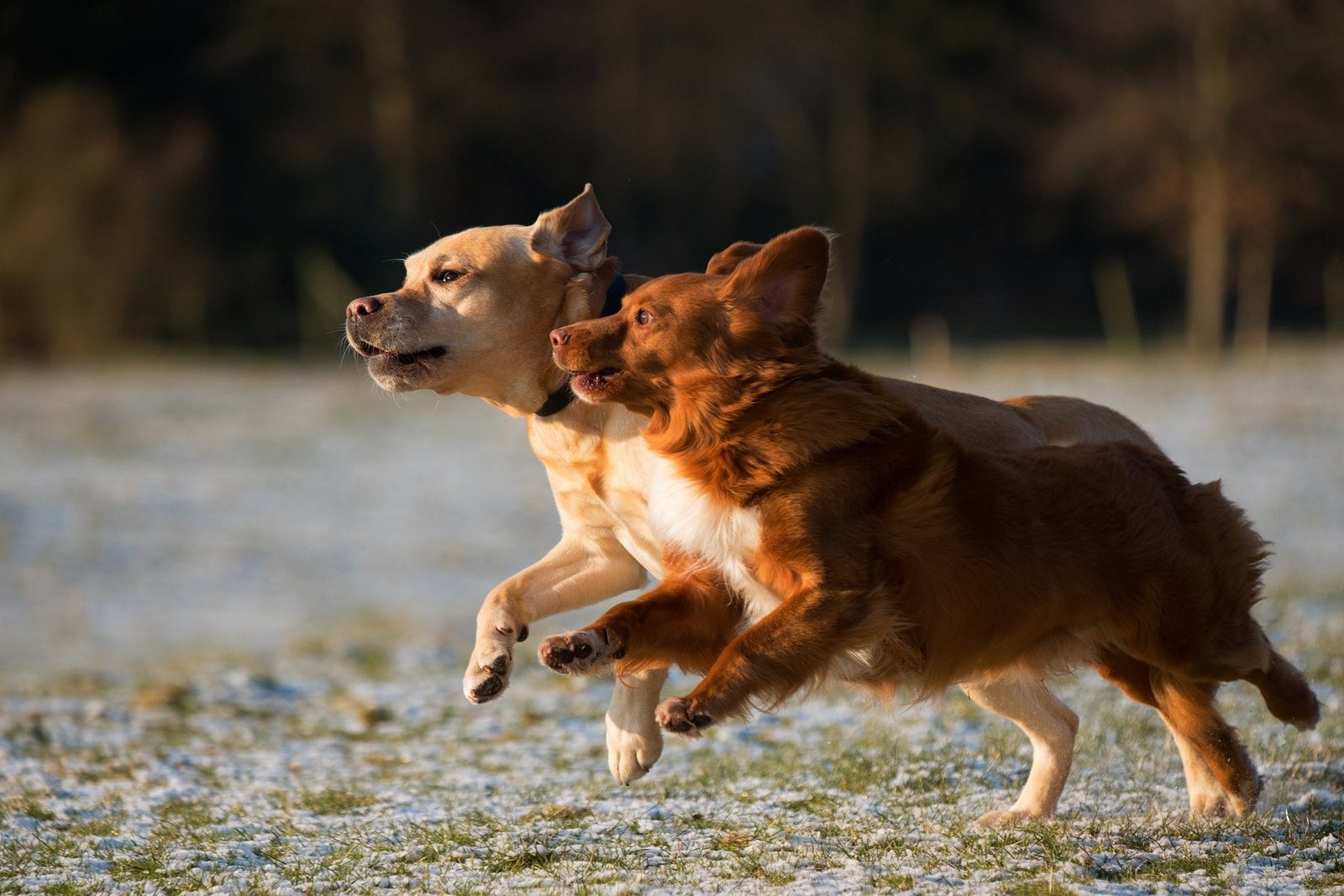

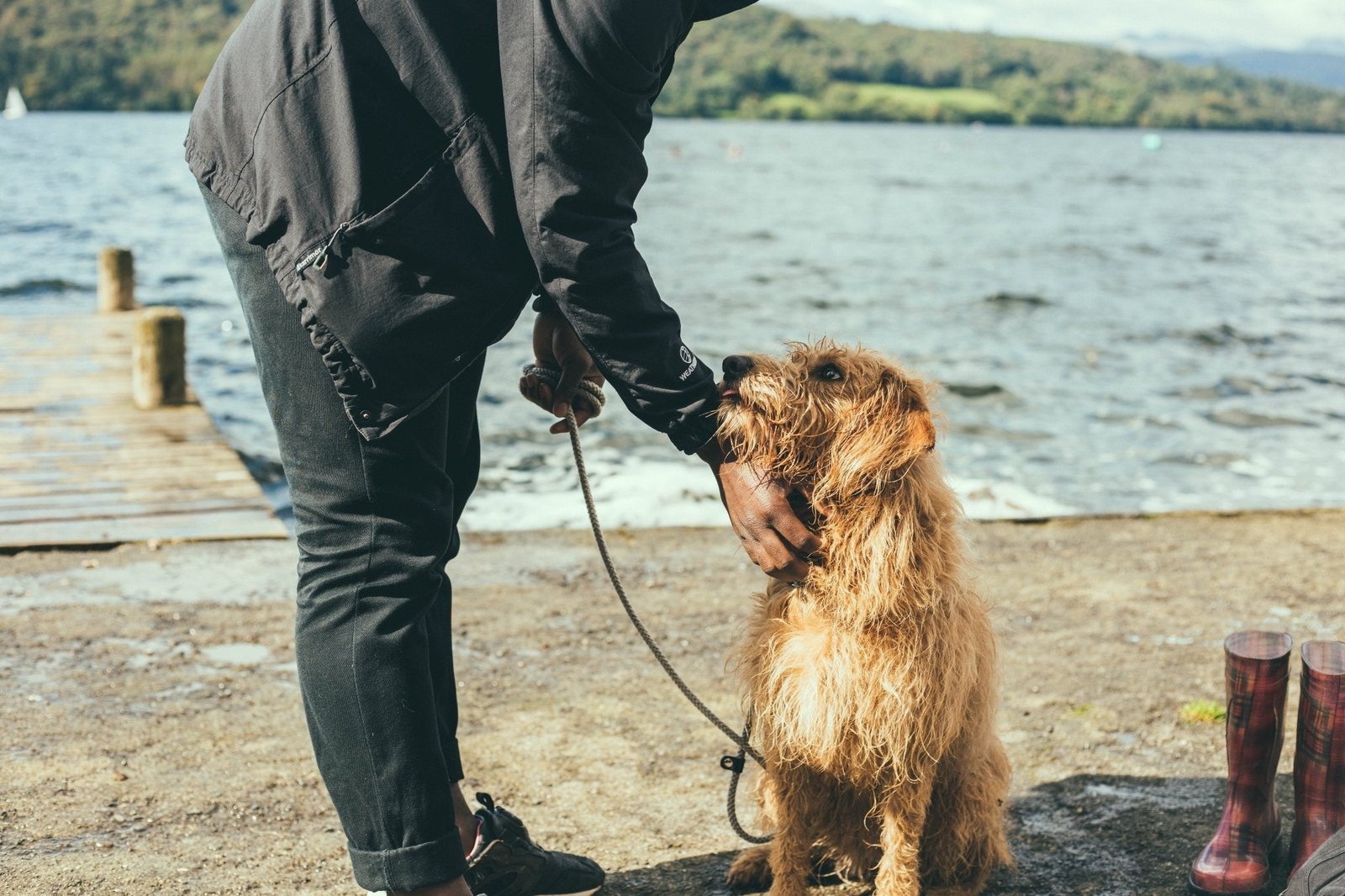
As a dog owner, it’s essential to create a routine that includes regular exercise for your furry companion. Walking is one of the most popular forms of exercise for dogs and offers many benefits for both you and your pet. However, the frequency and length of walks depend on several factors, such as your dog’s age, breed, size, and overall health.
Puppies

Puppies are full of energy and need more frequent exercise than adult dogs. Generally, puppies should be walked 3-4 times daily for 15-20 minutes each session. However, it’s important to avoid overexertion, especially during extreme weather conditions like heat or cold.
Adult Dogs

Most adult dogs benefit from at least one daily walk lasting a minimum of 30 minutes. That said, high-energy breeds may require longer or more frequent walks to expend excess energy and prevent destructive behaviours. It’s also vital to tailor the duration and frequency of walks to your dog’s health and individual needs.
Senior Dogs

As dogs grow older, their exercise requirements change. Senior dogs may face mobility challenges or health issues that limit their ability to handle long walks. In such cases, consulting your veterinarian to develop a suitable exercise plan tailored to your dog’s needs is essential.
Factors to Consider
Besides age and health, several other factors influence how often you should walk your dog, including:
Breed:

Different breeds have varying exercise needs. High-energy breeds like Border Collies or Labrador Retrievers often require longer or more frequent walks than smaller breeds such as Chihuahuas or Pugs.
Size:

Larger dogs generally need more exercise than smaller ones. However, it’s important to consider each dog’s breed and overall health when determining their exercise needs.
Weather:

Extreme weather conditions-such as intense heat, cold, or rain-may require you to adjust the frequency and length of your dog’s walks accordingly.
Time:

Schedule walks at times that work well for both you and your dog. Establishing a consistent routine helps your dog know what to expect and can improve their overall well-being.
Benefits of Walking
Regular walks offer a wide range of benefits for dogs, including:
- Physical exercise: Walking helps maintain a healthy weight, build muscle strength, and improve cardiovascular health.
- Mental stimulation: Walks provide opportunities for dogs to explore their surroundings and engage in mentally enriching activities like scent tracking.
- Socialisation: Walking enables dogs to interact with other dogs and people, which is crucial for their social development and well-being.
- Behavioural improvement: Consistent exercise can help prevent behavioural problems such as excessive barking, chewing, and digging.

In summary, the frequency and duration of walks depend on your dog’s age, breed, size, and overall health. While most dogs benefit from at least one daily walk lasting 30 minutes or more, it’s important to adjust this based on individual needs and factors like weather and schedule. Establishing a consistent walking routine provides significant physical, mental, and social benefits for your beloved pet.
Frequently Asked Questions
Here are some common questions dog owners may have about this topic.
How often should I walk my puppy?
Puppies generally need 3 to 4 short walks daily, each lasting about 15 to 20 minutes. This helps them burn energy while avoiding overexertion. It’s important to adjust walk frequency based on weather conditions and your puppy’s energy levels to keep them safe and comfortable.
What is the ideal walk duration for an adult dog?
Most adult dogs benefit from at least one walk a day lasting around 30 minutes. High-energy breeds may require longer or additional walks to prevent boredom and destructive behaviour. Tailoring walk length to your dog’s breed, health, and temperament ensures they get appropriate exercise.
How should I adjust walks for my senior dog?
Senior dogs often have reduced mobility or health issues that limit their ability to walk long distances. Consult your vet to create a gentle exercise plan. Shorter, slower walks or multiple brief outings may be better suited to keep your older dog active without causing strain.
What factors influence how often I should walk my dog?
Several factors affect walking frequency, including your dog’s breed, size, age, health, and the weather. High-energy breeds need more exercise, while small or older dogs may require less. Weather extremes might also mean shorter or fewer walks to protect your dog’s well-being.
What are the benefits of regular dog walks?
Regular walks provide physical exercise that supports healthy weight and heart function. They also offer mental stimulation through new sights and smells, and socialisation opportunities with other dogs and people. This combination helps maintain your dog’s overall health and happiness.