
Dog fights can be frightening-for both the people involved and the dogs themselves. They often erupt in an instant, turning a calm walk in the park or a playdate into chaos.
Understanding how to respond when dogs fight can be the key to preventing serious injuries and ensuring a safe outcome. In this guide, we’ll discuss:
-
The reasons dogs fight
-
Common and safe ways to break up fights
-
Unusual (and surprising) techniques
-
What to do after a fight
-
How to prevent fights in the future
Why Do Dogs Fight?
Even dogs that are well-socialised can get into fights. Common triggers include:
-
Resource guarding (such as toys, food, or treats)
-
Territorial disputes
-
Overstimulation during play
-
Fear or anxiety
-
Protective behaviour over an owner or another dog
It’s important to remember that a dog fight doesn’t mean a dog is “bad”-it’s often a response to a particular situation.
First Rule: Stay Calm and Prioritise Safety
Your instinct might be to rush in and grab your dog, but this can be very dangerous. A dog in fight mode may bite anyone nearby-intentionally or accidentally.
Essential safety guidelines:
-
Never place your hands between the heads of fighting dogs.
-
Avoid grabbing collars from the front.
-
Ensure your own safety before trying to intervene.
Common Ways to Stop a Dog Fight
1. The Wheelbarrow Method

-
Each person grabs the back legs of their own dog (never the front legs!) and lifts them like a wheelbarrow.
-
Pull the dogs apart and gently turn them in a circle to break their focus.
-
This works because dogs have less strength when lifted from behind and often release their grip.
Important: This technique requires two people-one for each dog.
2. Loud Noise Distraction
-
Clap your hands, bang metal bowls together, or blow a loud whistle or air horn.
-
The sudden noise can interrupt their focus long enough for you to separate them.
- Our Dog Clicker can also be very effective if your dog is well-trained.
3. Water Spray
-
Use a garden hose, spray bottle, or even a bucket of water.
-
A sudden blast of water often causes dogs to break apart.
- Alternatively, try our citronella spray collar with remote control.
4. Barrier Method

-
Place an object between the dogs, such as a chair, large board, or throw a blanket over one dog.
-
This blocks their view and helps you separate them safely.
5. Leash Pull-Back
-
If both dogs are on leads, pull them apart from a safe distance using the lead as leverage.
-
This method works best when both handlers coordinate their efforts.
Uncommon (and Surprising) Techniques

Some dog handlers and trainers use unconventional methods that can be effective in specific situations-though these aren’t suitable for everyone.
1. The Anal Gland Squeeze (“Finger in the Bum”)
It may sound strange, but this is a real technique used by some professionals in emergencies. Stimulating a dog’s rear end can surprise or discomfort them enough to release their grip.
How it works:
-
Insert a finger into the dog’s anus (preferably over clothing or with gloves).
-
When done quickly, this is not harmful, but it’s understandably not a method most people want to try.
Warning:
-
Use this only as an absolute last resort and only if you can do so safely without risking a bite.
-
It should never replace safer, more common techniques like the wheelbarrow method.
2. Odour Distraction
Some trainers carry strong-smelling substances (such as citronella spray) to interrupt fights. The sudden scent can startle a dog into stopping.
3. Twist and Lift Technique
Similar to the wheelbarrow method, but involves gently twisting the dog’s back legs as you lift. This movement destabilizes them enough to break their focus.
4. Blanket Wrap
Throwing a large blanket or coat over one dog can confuse and disorient them, giving you an opportunity to separate the dogs.
What to Do Immediately After the Fight
Once the dogs are separated:
-
Keep them apart until they have fully calmed down.
-
Check for injuries-even minor bites can become infected.
-
Visit a vet if you notice any puncture wounds, limping, or signs of distress.
-
Avoid scolding-dogs do not associate punishment after a fight with the behaviour that caused it.
How to Prevent Dog Fights

1. Know Your Dog’s Triggers
If your dog becomes tense around certain breeds, toys, or situations, try to avoid those triggers whenever possible.
2. Socialise Early and Often
Dogs that are well-socialised are less likely to fight, as they learn to interpret canine body language effectively.
3. Use Proper Introductions
When introducing new dogs, keep them on leads, allow a brief sniff, then walk together in the same direction before permitting off-lead play.
4. Supervise Playtime
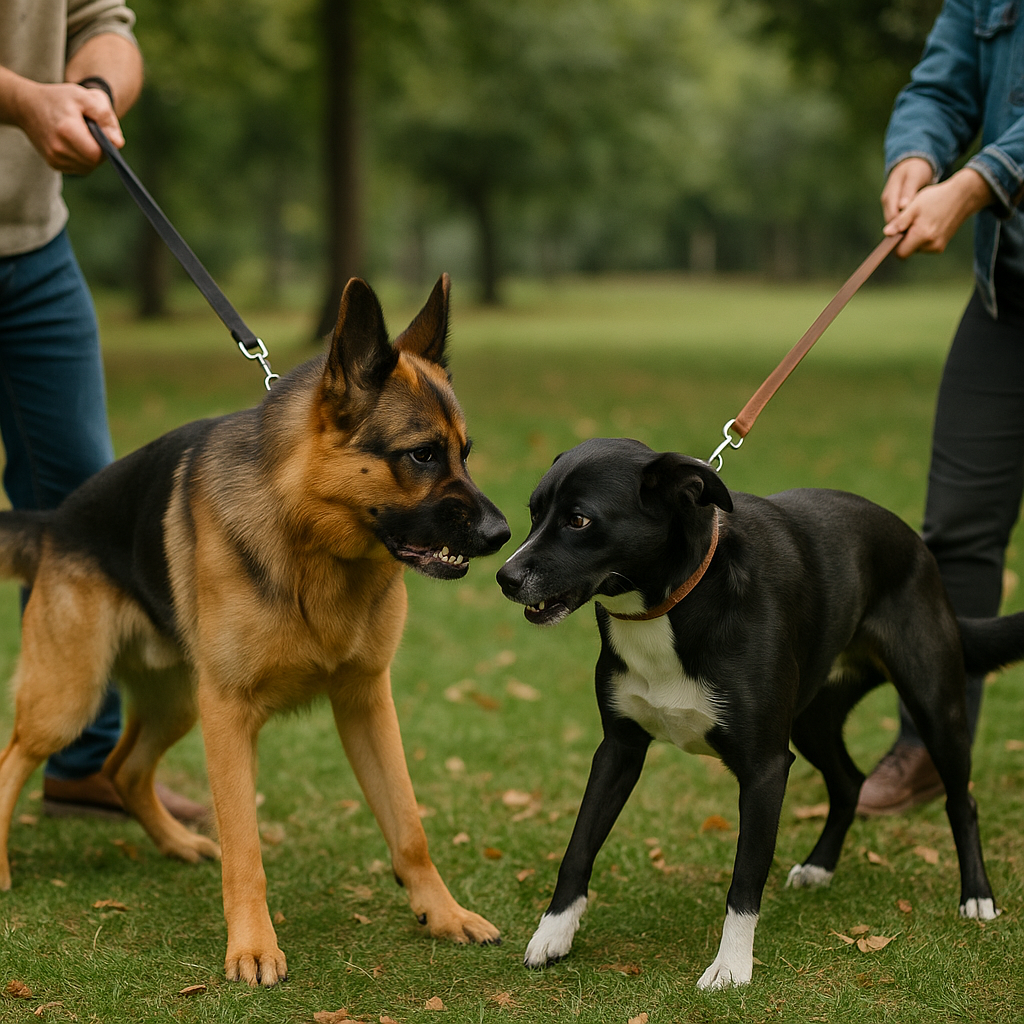
Watch for body language cues such as stiff posture, raised hackles, prolonged staring, or lip curling, and step in early if needed.
5. Obedience Training
Commands like leave it, come, and stay can be lifesavers during tense moments.
Recognizing the Warning Signs
Most dog fights don’t start suddenly-dogs often give warning signals first. Look out for:
-
Stiff body posture
-
Growling or snarling
-
Tail held high and stiff
-
Side-eye staring
-
Raised hackles
Intervening at this stage can help prevent escalation.
Final Thoughts: How to Handle Dog Fights
Breaking up a dog fight is risky, but understanding your options can help you act quickly and safely. The wheelbarrow method, loud noises, and water spray are reliable approaches, while the “finger in the bum” technique remains an unusual but sometimes effective last resort.
Above all, prevention through training, socialisation, and supervision is the best way to ensure your dog never gets involved in a fight.
Frequently Asked Questions
Here are some common questions dog owners may have about this topic.
What is the safest way to intervene when dogs start fighting?
The safest approach is to stay calm and avoid putting your hands near the dogs' heads or collars. Using methods like the wheelbarrow technique, where each handler lifts their dog's back legs, or creating a loud noise distraction can help separate the dogs without risking bites.
Why do dogs suddenly start fighting even if they are usually friendly?
Dogs may fight due to triggers like resource guarding, territorial disputes, overstimulation during play, fear, or protective instincts. Even well-socialised dogs can react aggressively if they feel threatened or challenged in certain situations.
How can loud noises help stop a dog fight?
Loud noises such as clapping, banging objects, or blowing a whistle can interrupt a dog’s focus during a fight. This sudden distraction may cause the dogs to release their grip or pause, giving you a chance to separate them safely.
What should I do immediately after a dog fight has ended?
After a fight, check both dogs carefully for injuries and keep them separated to calm down. Monitor their behaviour closely and seek veterinary care if there are any wounds. It’s also important to understand what triggered the fight to prevent future incidents.
Are there any unusual but effective methods to break up dog fights?
Yes, some handlers use surprising techniques like spraying water, placing barriers between the dogs, or using a citronella spray collar. These methods can help safely interrupt a fight by distracting the dogs or blocking their view of each other.