
Dogs express themselves in various ways-through barking, body language, tail wagging, and sometimes even trembling. If you’ve ever wondered, “Why is my dog shaking?”, you’re not alone. Shaking in dogs can stem from harmless excitement or indicate a more serious underlying health issue.
In this blog, we’ll cover the 10 most common reasons your dog might be shaking, signs to watch for, and what actions to take. By the end, you’ll be better equipped to determine whether it’s normal behaviour or a reason to consult your vet.
1. Excitement or Anticipation

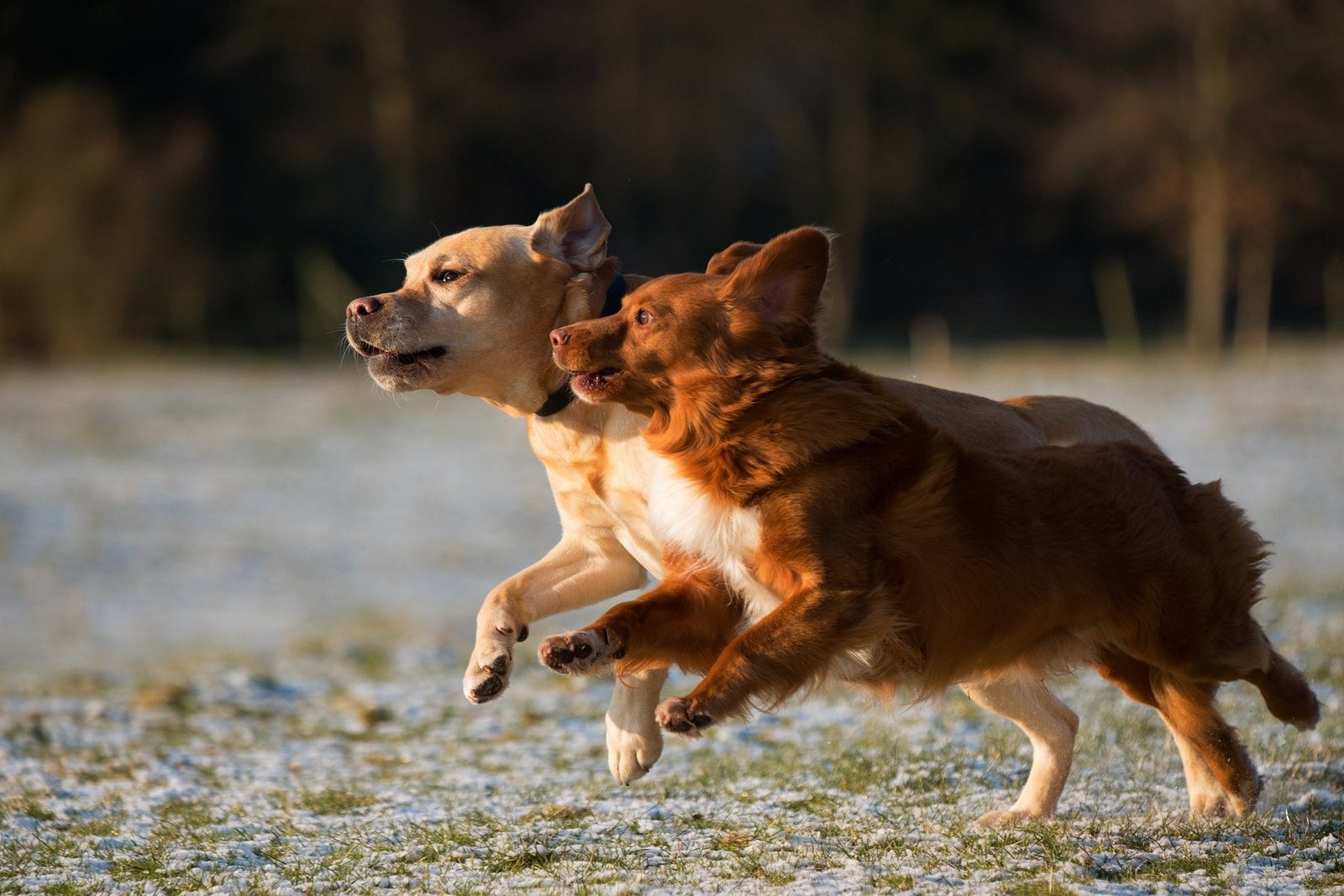
One of the most common reasons for “Why is my dog shaking?” is excitement. Many dogs tremble when they’re eagerly awaiting something enjoyable, such as a walk, greeting their favourite person, or mealtime.
-
What to do: Excitement-related shaking is normal and not a cause for concern. If your dog becomes overly excited-jumping or barking excessively-consider calming aids like Calmshops Calming Dog Treats to help soothe them.
2. Cold Temperatures
Similar to humans, dogs shiver when they feel cold. This is especially common in short-haired, small, or older dogs.
-
What to do: Provide a warm blanket, sweater, or coat during chilly weather. Ensure your dog has a comfortable, warm place to rest indoors.
3. Fear, Stress, or Anxiety

Dogs often tremble when feeling nervous or stressed. This can occur during thunderstorms, fireworks, vet visits, or when experiencing separation anxiety.
-
What to do: Identify the cause and try to minimize your dog’s exposure to it. Use calming aids, distraction toys, or training collars like the Calmshops No Shock Vibrating Dog Collar for reassurance and better control. For lasting improvement, consider working with a behaviourist on desensitisation training.
4. Shaking While Cutting Their Nails

Many dogs strongly dislike having their nails trimmed. If you’ve noticed your dog trembling during grooming, you’re not alone.
-
Why it happens: The noise of clippers, the sensation, or previous negative experiences can make nail trimming stressful.
-
What to do: Take your time, reward your dog with treats after trimming each nail, and consider using a nail grinder instead of clippers. If anxiety persists, try combining nail trims with clicker training (using a dog clicker from Calmshops) to create positive associations.
5. Muscle Weakness or Fatigue
Sometimes dogs shake simply because their muscles are tired. This can occur after a long run, intense play, or standing on slippery surfaces for extended periods.
-
What to do: Allow your dog to rest, ensure proper hydration, and provide joint support if necessary. Supplements like advanced hip and joint chews can be especially helpful for senior dogs or active breeds.
6. Pain or Injury

Pain is another possible reason for “Why is my dog shaking?”. Dogs may not always vocalize discomfort but may instead tremble to express it.
-
Possible causes: Sprains, arthritis, dental pain, or internal issues.
-
What to do: Watch for additional signs such as limping, excessive licking of a specific area, or reluctance to move. If you suspect your dog is in pain, consult your vet promptly.
7. Nausea or Upset Stomach
Similar to humans, dogs may tremble when they feel nauseous. This can be caused by eating something inappropriate, motion sickness, or stomach infections.
-
What to do: If your dog vomits once but otherwise seems well, keep a close watch. If nausea continues, especially alongside symptoms like diarrhoea or lethargy, contact your vet.
8. Low Blood Sugar (Hypoglycaemia)
Small breeds such as Chihuahuas and puppies are particularly vulnerable to low blood sugar, which can cause trembling, weakness, and even fainting.
-
What to do: Feed your dog small, frequent meals and monitor them closely. If fainting or collapse occurs, seek immediate veterinary care.
9. Poisoning or Toxin Exposure
Certain toxins can cause dogs to shake, drool, vomit, or even have seizures. Common hazards include chocolate, xylitol (found in sugar-free gum), grapes, some medications, and household cleaners.
-
What to do: If you suspect your dog has ingested something toxic, contact your vet or an emergency animal hospital immediately.
10. Neurological Issues
In rare cases, shaking may be caused by neurological problems such as seizures, tremor syndrome, or nerve damage.
-
What to do: If the shaking resembles uncontrolled twitching, or if your dog faints, loses balance, or appears disoriented, seek veterinary advice immediately.
When Should You Worry About Dog Shaking?
While some trembling is harmless (due to excitement, cold, or nail trims), it can sometimes indicate a serious issue. Contact your vet if:
-
The shaking is accompanied by vomiting, diarrhoea, or lethargy.
-
Your dog is shaking and having difficulty walking.
-
The trembling is new, persistent, and unexplained.
-
Your dog faints, collapses, or experiences seizure-like episodes.
How to Help Your Dog When They’re Shaking
If your dog’s shaking is situational (due to cold, fear, or nail trims), try these tips:
-
Stay calm yourself – Dogs are sensitive to our emotions.
-
Offer comfort – Provide warm blankets, gentle cuddles, or calming treats.
-
Distract with training – Use a clicker and treats to redirect their attention.
-
Create a safe space – Set up a quiet room or crate where your dog feels secure.
-
Use training tools – Humane collars or toys from Calmshops to help reduce stress and unwanted behaviours.
Last Run: Why Is My Dog Shaking?
So, why is my dog shaking? The answer varies depending on the context. Dogs may tremble from excitement, cold, fear, or muscle fatigue. However, shaking can also indicate pain, nausea, poisoning, or more serious health concerns.
The key is to consider the overall situation: your dog’s body language, environment, and any additional symptoms. While some shaking is harmless, persistent or unexplained trembling should always be evaluated by a vet.
By staying informed and proactive, you’ll better understand your dog’s needs and provide the comfort and care they deserve. Remember, products like the Calmshops dog clicker, no-shock collars, and calming treats can make training and stress management easier for both you and your furry companion.
Frequently Asked Questions
Here are some common questions dog owners may have about this topic.
What are common non-medical reasons for my dog shaking?
Dogs often shake due to excitement, cold temperatures, or stress. For example, they may tremble when eagerly awaiting a walk or meal, feel cold especially if they have short fur, or become anxious during thunderstorms or vet visits. These causes are usually harmless and can be managed with comfort or calming techniques.
How can I help my dog if it shakes because of cold weather?
If your dog is shaking due to the cold, provide a warm blanket or a dog sweater to help maintain body heat. Older dogs, small breeds, or those with short fur are more susceptible. Also, ensure they have a cosy, draft-free resting spot indoors to keep them comfortable.
Why does my dog shake during nail trimming and how can I make it easier?
Shaking during nail trimming is often caused by fear or discomfort from the sound and sensation. To help, trim nails slowly, reward your dog with treats after each nail, and consider using a nail grinder for a gentler approach. Positive training like clicker methods can also reduce anxiety over time.
When should I be concerned about my dog shaking and seek veterinary advice?
Be concerned if shaking is accompanied by other symptoms such as weakness, pain, unusual behaviour, or if it persists without an obvious cause. Muscle fatigue after exercise is normal, but continuous trembling or shaking without explanation warrants a vet check to rule out illness or injury.
What calming tools can help reduce my dog’s shaking due to anxiety?
Calming aids like specially formulated treats can soothe nervous dogs. Distraction toys and training collars, such as vibrating collars, may provide reassurance during stressful events like fireworks or separation. For long-term benefits, working with a behaviourist to desensitise your dog can be very effective.