
You are out on a walk, the air is fresh, and then your dog veers off and gets stuck into something you really wish they would not. It is more common than most of us admit, and it is rarely a sign that you are doing something wrong. This guide explains why dogs do it, when to ask your vet, and what actually helps day to day.
Why do dogs eat poo?
The proper word is coprophagia. PDSA lists habit, hunger, boredom, stress and anxiety as the usual reasons, and says only a very small number of dogs do it because of illness or something lacking in their diet. Some dogs also learn that it gets attention, even if the attention is a telling-off.
Puppies often try it out of curiosity, and that usually stops with age. A mother dog tidying up after her pups is normal and should not be discouraged.
Start with a call to your vet
Ring your vet if the habit starts suddenly and is out of character for your dog, or if you have noticed other changes such as weight loss, diarrhoea, vomiting or a change in their coat. It is also worth mentioning if your dog only ever eats one particular dog’s poo, as PDSA says that dog may need checking too. If everything is clear, your vet can talk through feeding and may point you towards a qualified behaviourist. For other warning signs, see our guide to sick dog symptoms.
Teach a reliable “leave it”
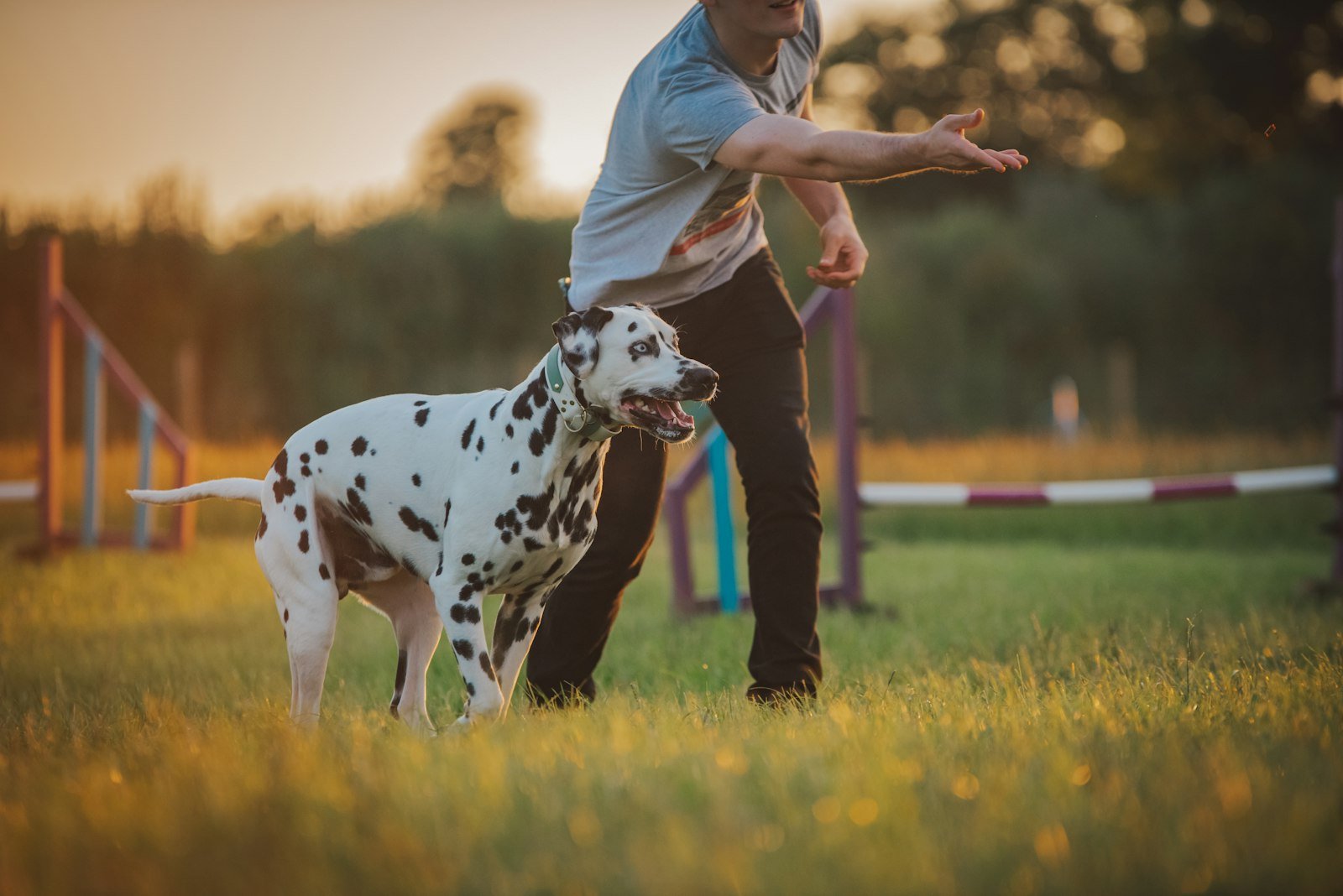
“Leave it” is much easier to teach at home than on a walk, so start somewhere boring and build up slowly.
- Put a dull item (a piece of dry kibble works) in one hand and a tastier treat in the other.
- Let your dog sniff the dull item. The moment they look away from it, say a marker word such as “yes” and reward them with the better treat from your other hand.
- Once they look away every time, add your cue (“leave it”) just before they do it.
- Practise in new rooms, then the garden, then quiet outdoor spots, making the item a little more tempting each time.
- If your dog struggles, go back to the last step where they succeeded.
Always reward with something better than what they are leaving. Short, happy sessions beat long, frustrating ones. If you would like more on the basics, see how to train your dog.
Work on recall and walk management
A good recall gives you a way to call your dog away before they reach the poo. Dogs Trust and Blue Cross both suggest the same ingredients: one cue that everyone at home uses, rewards your dog finds exciting, and building up distractions gradually.
- Use a long line clipped to a harness while you are still training, well away from roads, so your dog has some freedom but you stay in charge.
- Spot the poo before your dog does, and call them with a happy voice and a reward ready.
- Keep practising recall regularly and reward your dog with something special when they come back, not only when the fun is over.
- Use your recall cue sparingly and give your dog a few seconds to respond before calling again. If they are unlikely to come, go back to an easier step.
Clean up and limit temptation
The simplest fix is less opportunity. Pick up your own dog’s poo straight away in the garden and on walks. If you have a cat, PDSA suggests keeping the litter tray out of your dog’s reach, for example somewhere high up or in a room only the cat can get into. Where poo is everywhere, such as fields with livestock, keep your dog on the lead or keep them busy and walk away.
Food, feeding and deterrent products
Check that your dog’s meals are the right amount for their size and activity, because hunger can be a trigger. Ask your vet if you are unsure. Any change of food should be introduced slowly to avoid an upset tummy.
You will see deterrent supplements and home remedies such as pineapple or courgette mentioned online. PDSA says there is no evidence they work, although it adds that there is no harm in trying pineapple or courgette. If you are thinking about any supplement, speak to your vet first, and do not expect one to replace training. If you are looking at everyday extras for your dog’s routine more generally, you can browse the dog supplements and vitamins range at Calmshops, but check with your vet first.
Enrichment and exercise
A bored or restless dog finds their own entertainment. Give them plenty of other things to do:
- Long, sniffy walks where they are allowed to explore.
- Scatter feeding or puzzle feeders at mealtimes.
- Short training sessions and scent games at home.
- Playtime with you, or with dogs they get along with.
What not to do
- Do not shout at or punish your dog. PDSA says it is confusing for them and does not work. A telling-off after the event will not make sense to them either.
- Do not chase or grab. It can turn into a game, or make your dog gulp whatever they have found.
- Do not give up too soon. It can take a while to break the habit, so keep up steady, rewarding practice.
- Do not rely on gadgets. We do not recommend spray, vibrating or shock collars for this. Training, management and a vet check are what help.
The short version
Most dogs who eat poo are doing it out of habit, hunger, boredom or because it gets a reaction. Rule out health worries with your vet, pick up promptly, keep your dog busy, and keep practising “leave it” and recall with rewards they love. Be patient, because it can take a while.
Frequently Asked Questions
Why does my dog eat poo?
PDSA lists habit, hunger, boredom, stress and anxiety as the usual reasons, and says only a very small number of dogs do it because of illness or something lacking in their diet. Some dogs learn that it gets attention. If it starts suddenly or comes with other changes, speak to your vet.
Will my puppy grow out of eating poo?
Puppies often try it out of curiosity, and PDSA says this usually stops with age. Pick up promptly, never scold, and speak to your vet if it carries on or you are worried.
Do pineapple or deterrent supplements stop dogs eating poo?
PDSA says there is no evidence that pineapple or courgette works, although it adds there is no harm in trying them. Speak to your vet before giving your dog any supplement, and do not expect one to replace training and tidying up.
When should I speak to my vet about my dog eating poo?
PDSA advises contacting your vet if the habit starts suddenly and is unusual for your dog, and mentioning other changes such as weight loss, diarrhoea, vomiting or a change in their coat. If your dog only eats one other dog’s poo, it is sensible for that dog to be checked too.
Should I tell my dog off for eating poo?
No. PDSA says shouting at or punishing your dog is confusing and does not work. Call them away with a happy voice, reward them when they come, and keep practising ‘leave it’ and recall.
Written by Georgiana & Figo.