
Your guide to raising a happy, well-trained Working Cocker Spaniel
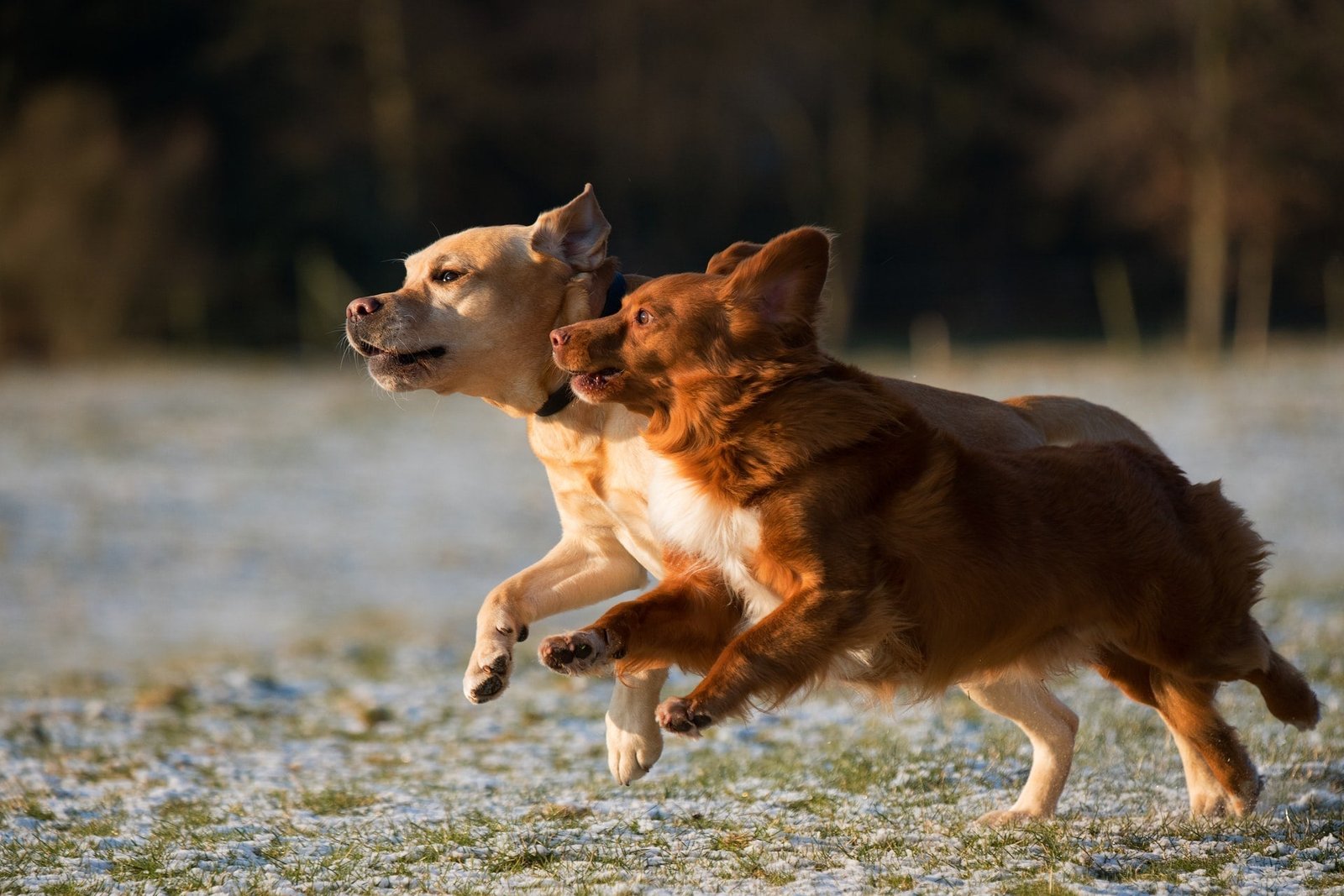
There’s something uniquely magical about a Working Cocker Spaniel bounding through the UK countryside. Whether it’s the rolling fields of Oxfordshire, the rugged hills of Yorkshire, or the damp woodlands of the Lake District, these little dynamos live for wide-open spaces. But while their energy and intelligence make them incredible companions, training them can feel like trying to harness a whirlwind.
I’ve raised my own Cocker, Figo, in the countryside, and along the way I’ve learned (sometimes the hard way!) what works and what doesn’t. This guide is here to help you not only survive but thrive with your Working Cocker Spaniel — so that walks aren’t a battle of wills, but a partnership filled with joy.
Why Working Cocker Spaniels Are Special
Working Cockers are not your average lapdog. Originally bred for hunting and flushing game, they’re high-drive, intelligent, and full of curiosity. This means two things:
- They learn fast — great news if you’re consistent with training.
- They get bored fast — which can lead to recall issues, destructive behaviour, or endless barking.
The trick is channeling their boundless energy into positive outlets that suit the countryside lifestyle.
Step 1: Nail the Recall Early
If there’s one command every Working Cocker Spaniel in the UK countryside needs, it’s recall. With so many smells, birds, and squirrels around, your spaniel will be tempted to sprint off at any moment.
- Start small: Practice recall indoors, then in your garden, before testing it in fields.
- High-value rewards: Regular kibble won’t cut it. Use something irresistible, like chicken or cheese.
- Consistency: Always praise them when they return, even if it takes a while.
(Tip: If recall is still shaky, don’t rely on a shout from a distance — a long training line keeps your spaniel safe while you practise, and a sharp “stop” whistle can halt them instantly if they’re heading for trouble. More on both below.)
Step 2: Give Them a Job to Do
A Working Cocker Spaniel without a job is like a tractor left rusting in a barn — wasted potential. They were bred to work, so give them something constructive to focus on:
- Retrieving games: Throw balls, dummies, or even a frisbee.
- Scent work: Hide treats in the grass or use a toy with hidden pockets.
- Agility: Set up mini obstacles in your garden or use natural logs and stiles on walks.
Not only does this burn energy, but it also builds a stronger bond between you and your dog.
Step 3: Socialisation Is Key
The countryside may feel peaceful, but it comes with its own challenges: farm animals, horses, cyclists, and busy bridleways.
- Introduce slowly: Let your Cocker watch livestock from a distance before getting closer.
- Controlled exposure: Walk near roads, markets, or pubs so they get used to noise and bustle.
- Positive reinforcement: Reward calm behaviour around distractions.
Socialisation will ensure your dog is reliable whether you’re walking through a field of sheep or enjoying a pint in a country pub garden.
Step 4: Harness Their Energy the Right Way
These dogs can run for hours. Trust me, a “quick walk” won’t cut it. Aim for at least 90 minutes of exercise a day, split into a long countryside adventure and shorter training sessions.
Some great countryside-specific outlets include:
- Canicross: Running together with your spaniel on a harness.
- Bikejoring (carefully!): Letting them trot alongside your bike on country lanes.
- Water retrieves: Many Working Cockers adore water — perfect for rivers and lakes.
Step 5: Balance Freedom with Boundaries
It’s tempting to let your Cocker run wild through fields, but boundaries are essential for safety and sanity.
- Use a long line at first until recall is rock solid.
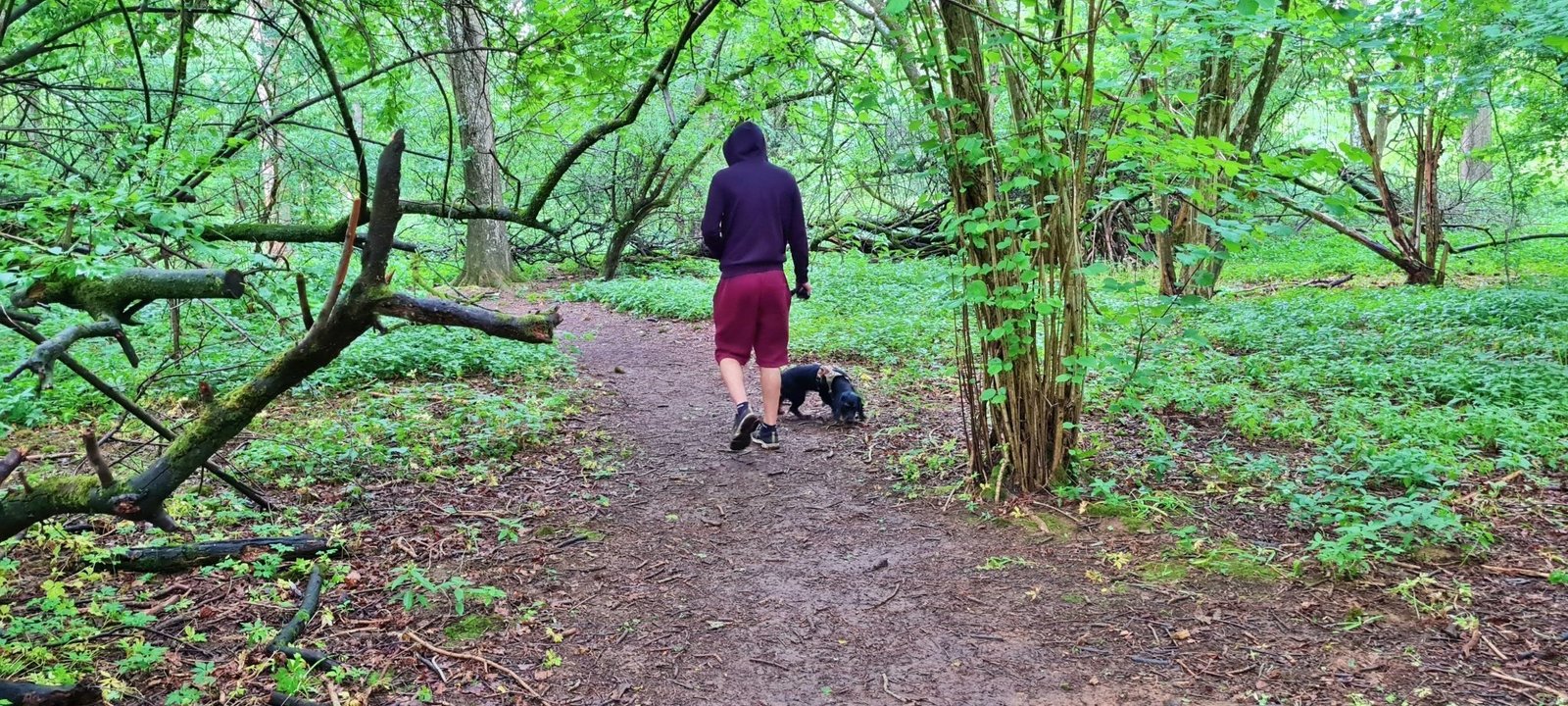
- Stick to footpaths — not only for safety but to respect local farmers.
- Teach a “stop whistle”: Two sharp pips on a whistle can halt them instantly if they’re heading for trouble.
Step 6: Mental Stimulation Matters as Much as Physical
An under-exercised spaniel is a nightmare. But so is an under-stimulated one. Alongside walks, make sure you’re challenging their brain:
- Puzzle feeders
- Hide-and-seek indoors
- Trick training (spaniels love learning new commands!)
(A training clicker is a cheap, simple way to mark the exact moment your Cocker gets something right — handy for trick training and for sharpening up that recall from Step 1.)
Final Thoughts: Training in the Countryside Is a Gift
Training a Working Cocker Spaniel in the UK countryside isn’t always easy, but it’s worth every muddy pawprint and every recall-fail sprint across a field. These dogs thrive when they’re given purpose, structure, and — above all — love.
If you stay consistent, keep training sessions fun, and embrace the chaos a little, you’ll soon find your Cocker becomes the perfect countryside companion.
And when you see them racing back across a field, ears flying, eyes sparkling, just because you called — you’ll know it’s all been worth it.