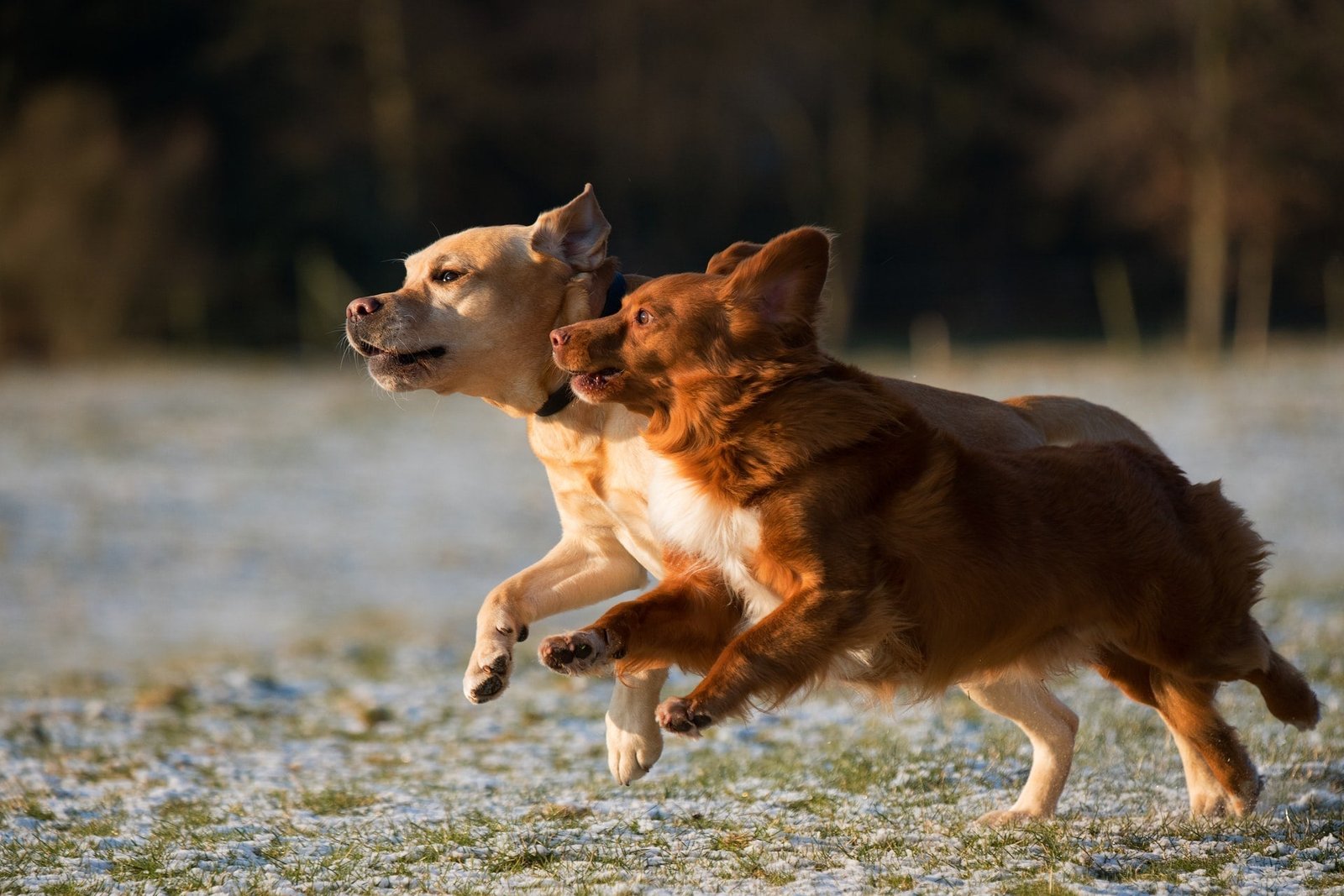

Moving house with a dog adds a genuine logistical question to an already chaotic day: where does the dog actually go while it’s happening, and how do you get them settled into the new place once the worst of it is over? This page covers both, plus the one task most owners forget entirely.
Deciding where the dog goes on moving day itself
The dog doesn’t need to be present for the move — and for most dogs, genuinely shouldn’t be. A day of strangers in and out, open doors, heavy furniture being carried past, and general chaos is stressful even for a confident dog, and a real escape risk for a nervous one. The actual decision worth making is where the dog goes instead, and there are three genuinely different options, each with a real trade-off.
A friend, family member or regular sitter for the day. This is usually the cheapest option and puts your dog with a familiar face rather than a stranger — often the least disruptive choice if it’s available to you. It only works, though, if your dog knows the person well and is genuinely comfortable staying with them, and if the logistics line up (someone free for the whole day, reasonably close by). If you don’t have someone in mind, our dog sitters directory can help you find a regular sitter your dog already knows, rather than booking someone new for moving day itself.
A day at a kennel or doggy daycare. This removes the dog from the move entirely, which is the main appeal — no chance of them slipping out an open door, no exposure to the chaos at all. The trade-off is that it’s a new environment on top of an already disruptive week, which isn’t nothing for a dog that doesn’t do well with change or unfamiliar places. It suits a dog that’s used to daycare or boarding already more than one experiencing it for the first time on the same week as a house move.
Booked transport, timed to collect the dog and deliver it to the new house once the worst of the move is over. This is the option a service like the ones in this directory can genuinely help with, and it solves a different problem than the other two — rather than removing the dog from the day, it changes when they arrive at the new house, so they walk into a calmer, more settled space rather than the middle of the unpacking. It’s often the better fit for a dog that’s anxious about unfamiliar people or places, since they skip both the move itself and a new location. It’s also usually the most expensive of the three.
None of these is the automatically right answer — a familiar sitter is often the best combination of cheap and calm if you have one; a kennel makes sense for a dog already used to it; booked transport earns its cost specifically for the timing problem, not as a default. For a short, calm, local move, it’s also completely reasonable to simply keep your dog with you on a lead through a quieter part of the day and skip booking anyone at all.
Booking transport around a moving day
If you do go with booked transport, the single most useful thing to get right is timing, not distance. Our pet transport hub flags this directly: the point of booking here usually isn’t how far the dog is travelling, it’s making sure they’re collected and delivered at the right moment in a day that rarely runs to schedule.
Moving days slip. Completion gets delayed, the van arrives late, the previous owners aren’t quite out yet — ask any operator directly whether they can hold a flexible collection window rather than a fixed time, and what happens if the day runs significantly over. A good operator will have handled this before and have a straightforward answer; a vague one is worth treating as a sign to ask more questions before booking. It’s also worth being specific about what “once the worst of the move is over” means for your dog — some dogs settle once the big furniture is in and boxes are just being carried, others need the house properly quiet before they arrive, and telling the operator which one yours is helps them time the drop-off usefully rather than just accurately.
The microchip address update — a genuine legal requirement, not a tip
This is the single most commonly forgotten task on a moving day, and it’s worth stating plainly: it isn’t just good practice, it’s a legal obligation.
We checked this directly rather than restate it from memory. Under The Microchipping of Cats and Dogs (England) Regulations 2023, every dog’s microchip record must hold the keeper’s current full name and address, and keeping that record accurate is treated as part of the same legal compliance obligation that requires the dog to be microchipped in the first place — not a separate courtesy. Local authorities enforcing these regulations, and DEFRA-approved database operators like Petlog, are consistent and explicit about this: once your dog is microchipped, you must update the microchip database if your address, phone number, or other contact details change, and failure to keep a dog’s details accurate can be treated the same way as failing to microchip it at all, including a compliance notice and a fine of up to £500 if it isn’t put right.
In practice, updating it takes a few minutes online through whichever database your dog is registered with (Petlog is the most common in the UK, but check your dog’s paperwork if you’re not sure which one). Do it as soon as you have your new address confirmed, ideally before moving day itself rather than after — a dog that slips out during the chaos of a move, with an outdated address on file, is exactly the situation this requirement exists to prevent.
Registering with a new vet before you need one
Sort this before you need it in an emergency, not after. Moving further than a short distance usually means your existing vet isn’t a realistic option for a genuine emergency, and registering takes a few minutes — most practices just need your dog’s previous vet’s details to request their records. Our vet finder can help you find a practice near your new address; do this in the first week rather than waiting until you actually need an appointment.
Settling the dog into the new house
Keep it simple rather than trying to make the new house feel instantly normal. The same bed, bowls, and feeding routine as before genuinely help — familiar objects matter more than a tidy new house does, to a dog. Rather than letting them loose to explore the whole place at once, let them investigate one room at a time, starting with wherever their bed and water are set up, and expand from there once they’re settled. A familiar crate, if your dog is used to one, gives them somewhere genuinely their own in an otherwise unfamiliar space — our crate training guide covers how to introduce one if you haven’t already. The first night in particular can be unsettled even for an adult dog, in a way that’s a close parallel to what we cover in our puppy crying at night guide — worth reading even if your dog isn’t a puppy, since the underlying causes (an unfamiliar space, being alone in it for the first time) are much the same.
For dogs that find the upheaval of a move genuinely stressful, some owners find a natural calming supplement helps take the edge off the first few unsettled days — Calmdogs Calming Bites are one option worth a look alongside the settling-in steps above, not instead of them. A move is real, acute environmental stress even without a long journey attached to it, and it’s a genuinely good fit for exactly that kind of short-term upheaval.
If you’re moving further afield
If your move crosses a genuinely long distance, or takes you to or from a different part of the UK covered elsewhere in this directory, our pet transport hub and the relevant city or crossing guide cover the logistics specific to that route in full — no need to repeat that detail here. The timing and microchip points on this page apply regardless of distance.
FAQ
Frequently Asked Questions
Here are some common questions dog owners may have about this topic.
Is it a legal requirement to update my dog’s microchip when I move house?
Yes. Under The Microchipping of Cats and Dogs (England) Regulations 2023, keeping your dog’s microchip record accurate, including your current address, is part of the same legal obligation that requires the dog to be microchipped in the first place. Outdated details can be treated the same as a missing microchip, including a compliance notice and a fine of up to £500.
Where should my dog go on moving day?
A familiar friend, family member or regular sitter is usually the cheapest and calmest option if your dog knows them well. A kennel or daycare removes them from the move entirely but is a new environment on top of an already disruptive week. Booked transport times their arrival for once the worst of the move is over, which suits a dog that struggles with both chaos and unfamiliar places.
Why does timing matter more than distance for pet transport on a moving day?
Because the goal isn’t just moving the dog somewhere else, it’s getting them into the new house once it’s calm rather than mid-chaos. Ask any operator whether they can hold a flexible collection window, since moving days rarely run to schedule.
When should I register with a new vet after moving?
Within the first week if possible, rather than waiting until you need an emergency appointment. Most practices just need your dog’s previous vet’s details to request their records.
Written by Georgiana & Figo. Have a question about pet transport? Have a look around Calmshops or drop us a line — we answer everything.