

Need a pet taxi to the vet or groomer? Whether it’s a one-off when you can’t drive, or a dog that’s simply calmer travelling without you in the car, this is the booking most readers of this directory will actually make most often — and, refreshingly, the lowest-stakes one too.
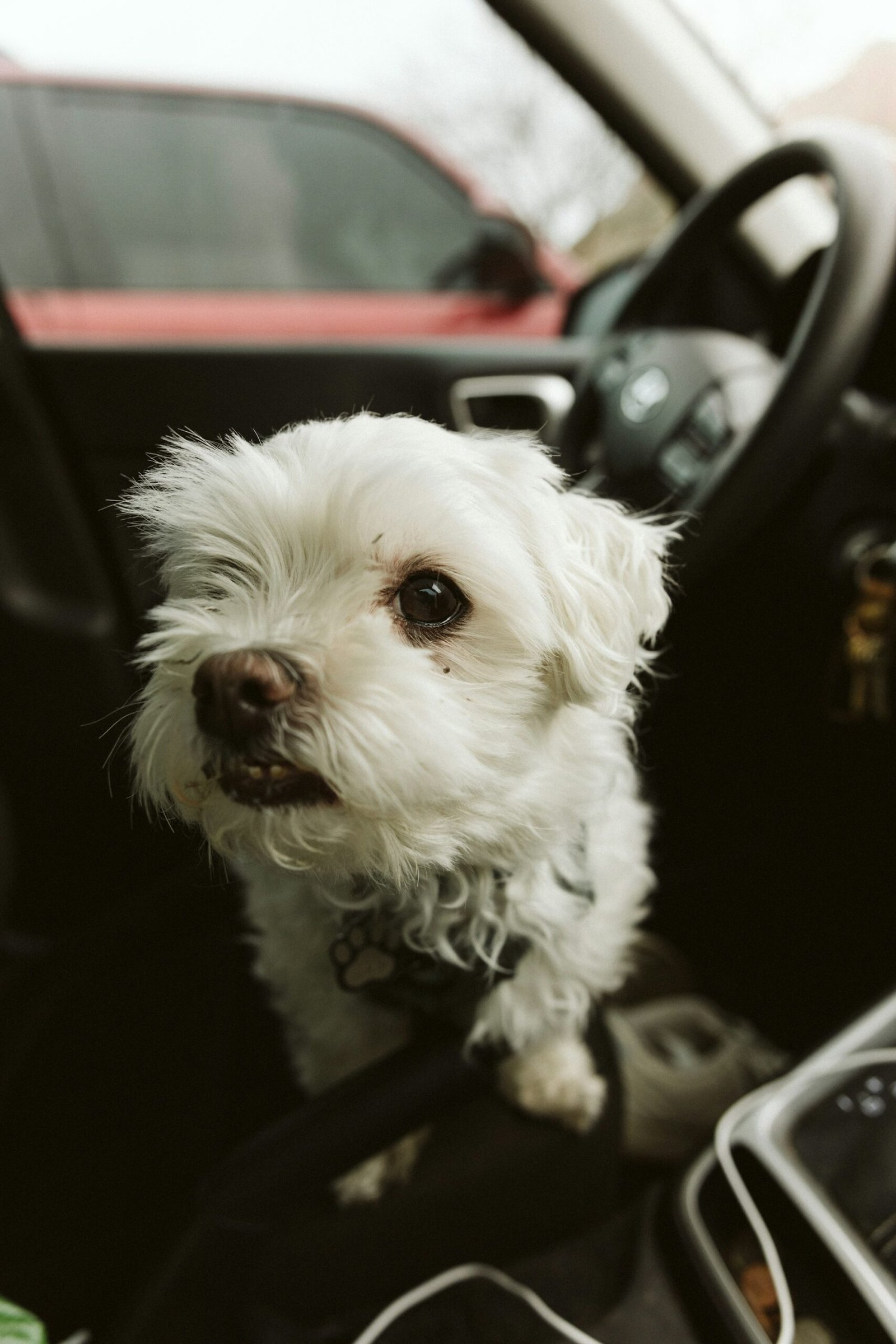
When this is genuinely low-stakes, and what still matters even so
Compared with a puppy’s first long journey from a breeder, or a dog flying into the country, a short local trip to the vet or groomer is about as low-risk as pet transport gets. This is the booking where price and convenience genuinely matter more than the deeper checks we cover elsewhere in this directory.
That doesn’t mean no checks apply. A dog is still travelling in someone else’s vehicle, with a stranger, for however long the trip takes — the basics of a decent operator (a secure, clean vehicle; a driver who’s comfortable handling dogs; no mixing your dog with a stranger’s pet in the same run) still matter for a fifteen-minute vet run, just less dramatically than they do for a six-hour cross-country move. Lower stakes isn’t no stakes.
Does this trip need a DEFRA-licensed operator?
This is where the licensing question genuinely resolves differently for this specific booking than it does almost everywhere else in this directory.
Our pet transport hub explains the general position, sourced against published APHA guidance: a transporter authorisation is generally required for journeys over 65km (roughly 40 miles) carried out as part of an economic activity, split into Type 1 (up to 8 hours) and Type 2 (over 8 hours, and covering everything Type 1 does too) — which is why many operators hold Type 2 even for local work. Shorter commercial trips can fall outside this specific licensing requirement, though general animal welfare law still applies regardless of distance.
For a vet or groomer run, most journeys are well under that 65km threshold. That means the Type 1/Type 2 authorisation question that dominates every city page in this directory is often simply not the live issue here — you’re not automatically dealing with an unlicensed operator if they don’t quote a transporter authorisation reference for a ten-minute local trip, because the legal requirement for one may genuinely not apply to that specific journey.
“Often not the live issue” isn’t the same as “never.” Some vet or groomer runs genuinely do clear 65km, particularly in rural areas or if you’re using a specialist groomer some distance away, and some operators do this kind of trip as part of a wider, longer-distance business where licensing is very much in play regardless of the individual journey length. The honest answer is the same one this directory uses everywhere: ask directly, and don’t assume either way based on distance alone. For a worked example of how this plays out for a specific local operator, our Manchester pet transport guide covers the full local detail rather than repeating it here.
One-off vs recurring bookings

A one-off trip and a standing weekly or monthly booking are genuinely different shapes of relationship with an operator, and it’s worth thinking about them separately.
For a one-off — a single vet appointment, a groomer visit before a holiday — price and availability on the day are the main things that matter. Whoever’s free and reasonably priced is a perfectly sensible choice.
For a recurring booking, consistency starts to matter in a way it doesn’t for a single trip. A dog with a chronic condition needing weekly vet visits, or a standing monthly groomer slot, genuinely benefits from the same driver each time rather than whoever happens to be available. A dog gets used to a particular person’s handling, their car, even the small routine of the pickup itself — and a driver who’s done the run before will already know if your dog is nervous getting into the vehicle, prefers the back seat over a crate, or needs a minute before setting off. That familiarity isn’t a nice-to-have for a genuinely anxious or unwell dog making the same trip week after week; it measurably reduces the stress of each individual journey. If this is you, it’s worth asking an operator directly whether they can commit to the same driver for a standing booking, rather than assuming it happens automatically.
Pet taxi vs asking a dog sitter or dog walker
Before booking a dedicated pet taxi, it’s worth a genuine three-way comparison rather than assuming a specialist service is automatically the right call.
A dedicated pet taxi is built specifically for this — a driver used to handling dogs, a vehicle set up for it, and (for a recurring booking) the consistency covered above. It’s usually the more expensive of the three options for a single short trip.
A dog sitter or dog walker who’s already coming to your dog, from our dog sitters directory, can sometimes fold a vet or groomer trip into a visit they’re already making, particularly if the appointment is nearby. This is often the cheapest option for a one-off, since you’re not paying for a dedicated trip, but it depends entirely on whether your sitter is comfortable with it, has appropriate transport, and the appointment fits their existing schedule — not every sitter offers this, and it’s worth asking rather than assuming.
Driving yourself remains the default for most people most of the time, and there’s no reason to overthink booking someone else for a trip you’re perfectly able to do — this directory exists for the situations where you genuinely can’t, not to talk anyone out of the school run to the vet.
None of the three is the “right” answer in general. A one-off, nearby appointment with a sitter who’s already visiting is often the simplest and cheapest; a recurring booking for a dog that travels better without you benefits from a dedicated pet taxi with a consistent driver; and driving yourself is fine whenever it’s genuinely an option.
What to check even for a short trip
A shorter version of the fuller list on our pet transport hub — worth asking even for a fifteen-minute run:
- Will my dog travel alone, or alongside someone else’s pet?
- What happens if the appointment overruns and the return pickup needs to shift?
- Is the vehicle clean and secure, with your dog properly contained rather than loose?
- For a recurring booking specifically: can I request the same driver each time?
A reputable operator answers these without hesitation, same as for any other booking in this directory.
Getting a nervous dog through a short trip alone
Even a short trip can be genuinely stressful for a dog that isn’t used to travelling without you, or that finds the vet or groomer itself unsettling regardless of how they got there. Familiar bedding or a piece of your clothing in the car helps, and if it’s a recurring booking, the same driver each time (covered above) does a lot of the heavy lifting on its own — dogs settle into routine faster than owners sometimes expect.
For dogs that find even a short journey stressful, some owners find a natural calming supplement helps take the edge off a routine trip — Calmdogs Calming Bites are one option worth a look, alongside the practical steps above rather than instead of them. It’s a genuinely good fit for exactly this kind of low-key, repeated travel stress, more so than a one-off long journey.
FAQ
Frequently Asked Questions
Here are some common questions dog owners may have about this topic.
Does a pet taxi to the vet need to be DEFRA licensed?
Often not, since most local vet and groomer trips fall under the roughly 65km threshold that triggers the transporter authorisation requirement. Some do exceed it, particularly in rural areas, so it’s worth asking directly rather than assuming either way.
Is it cheaper to ask a dog sitter to do the vet run instead of booking a pet taxi?
Often, if your sitter is already visiting and the appointment is nearby — but it depends on their transport and schedule, and not every sitter offers this. A dedicated pet taxi is usually more expensive for a single short trip but built specifically for the job.
Should I use the same driver every time for a recurring vet appointment?
It’s worth asking for, if you can. A dog gets used to a particular driver’s handling and routine, which genuinely reduces the stress of each individual trip — especially useful for a dog with a chronic condition needing regular visits.
What should I still check even for a short local trip?
Whether your dog travels alone, what happens if the appointment overruns, and whether the vehicle is clean and secure. For a recurring booking, also ask whether you can request the same driver each time.
Written by Georgiana & Figo. Have a question about pet transport? Have a look around Calmshops or drop us a line — we answer everything.