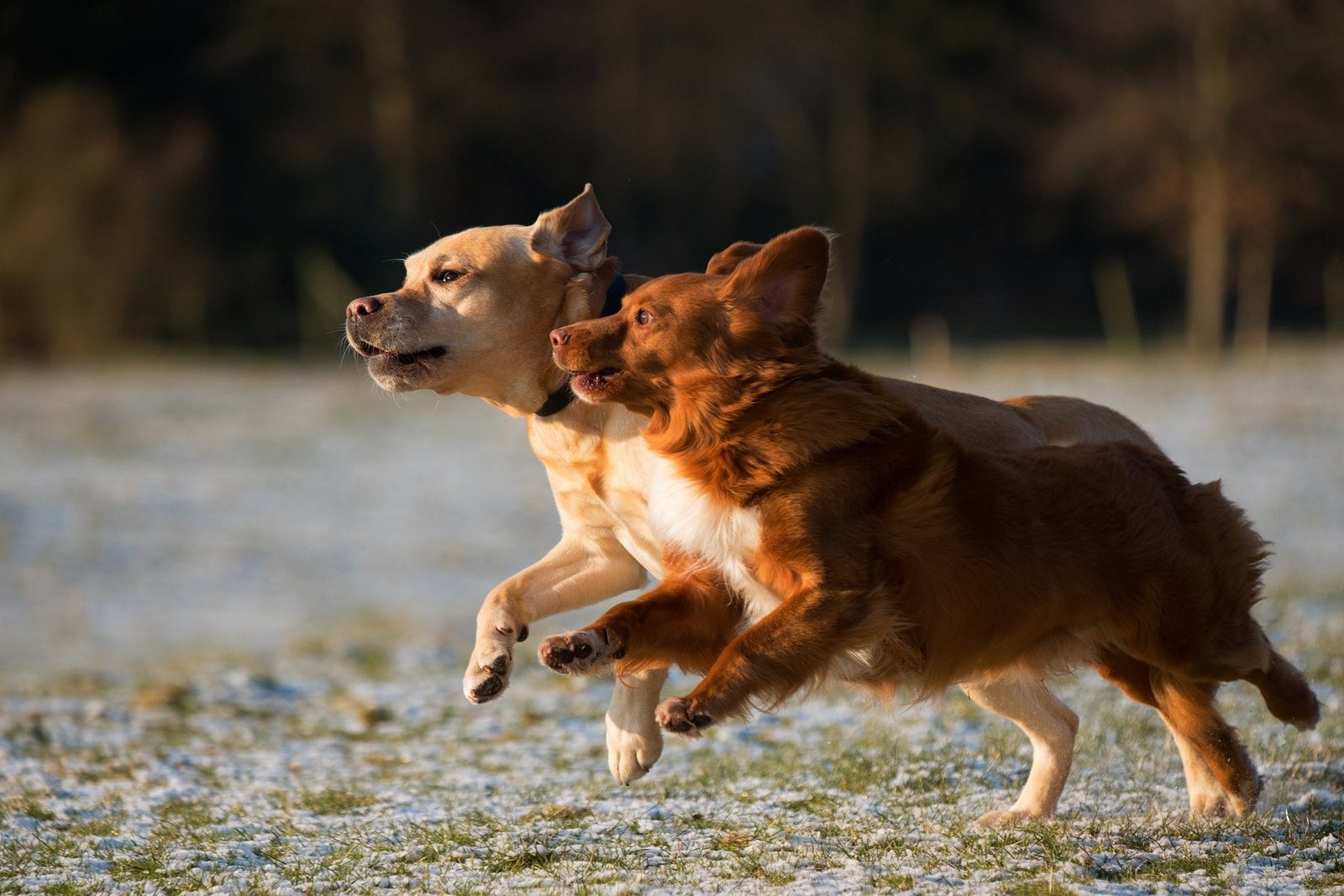

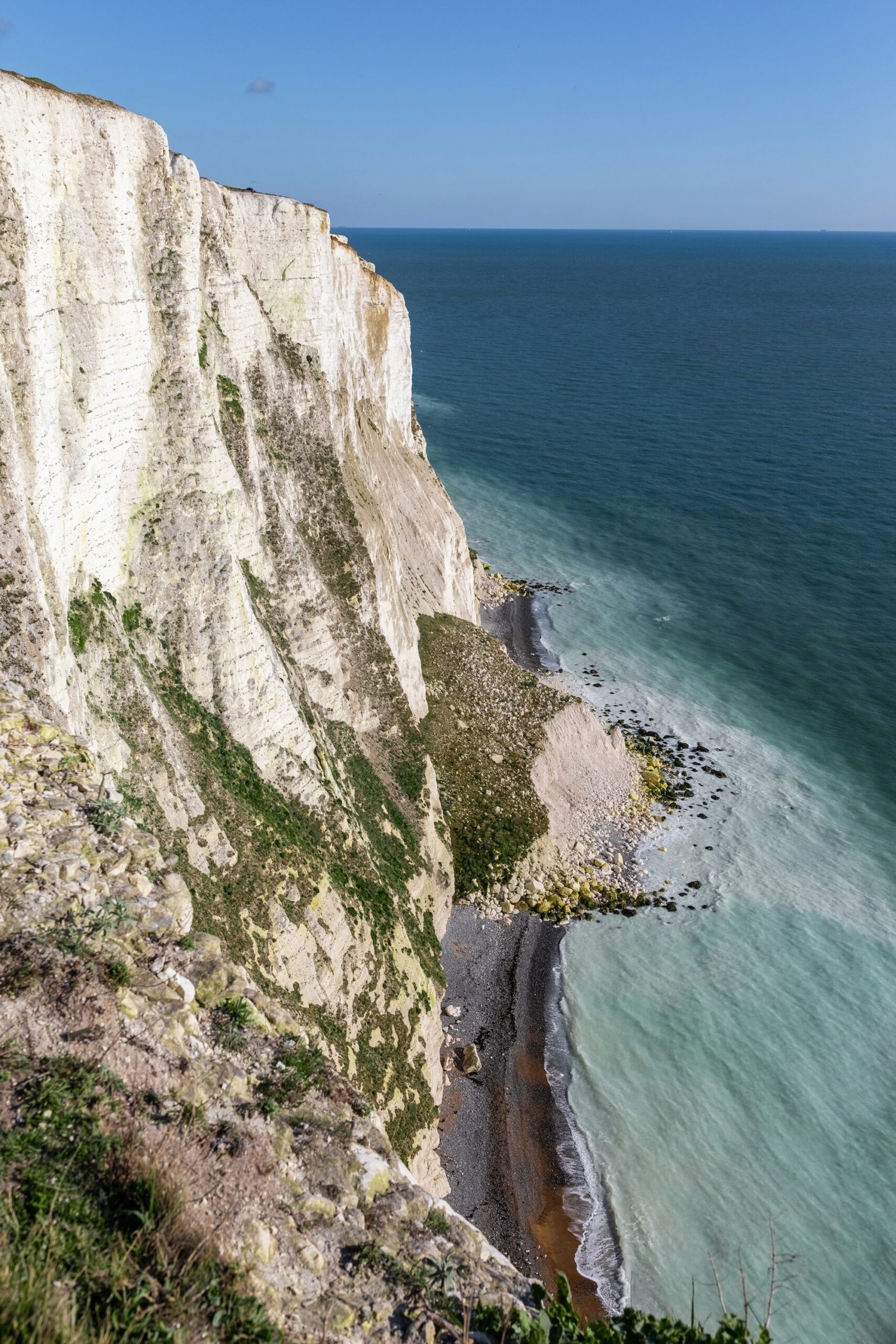
This page is different from most of our pet transport directory. Readers here are almost always planning a trip to mainland Europe with a dog, not booking a local pet taxi — so that’s what this page covers: the crossing itself, the paperwork that actually trips people up, and the operators who specialise in exactly this route.
A note on naming: we’re branding this page around “Dover” as the place most people search for, but it genuinely covers Folkestone and the Eurotunnel too — the crossing cluster as a whole, not one town specifically.
Getting the paperwork right — sourced directly, not paraphrased
We checked this directly against LeShuttle’s own current pet travel pages and current GOV.UK guidance, rather than relying on a third-party summary. Here’s the shape of it.
Microchip before or at the same time as the rabies vaccination. The order genuinely matters — if the vaccination is given first, it doesn’t count, and the process has to start again.
At least 21 full days must pass after the rabies vaccination before you travel. Day one is the day after the vaccination is given, and some vaccines need longer, so check with your vet.
An Animal Health Certificate (AHC) is required for pets heading to France, issued by an official vet, valid for a single trip within 10 days of issue.
For pets returning to the UK, you’ll need a valid pet passport, AHC, or GB pet health certificate.
Tapeworm treatment for dogs returning to the UK is the detail people get wrong most often, so here’s the precise window, not a vague approximation: the treatment must be given no less than 24 hours and no more than 120 hours (5 days) before you arrive back in Great Britain, and it must contain praziquantel or an equivalent proven effective against the Echinococcus multilocularis tapeworm. Get this window wrong in either direction and your dog may need re-treatment, or face quarantine or refused entry.
One thing worth being clear about: none of this is specific to the Eurotunnel. It’s the UK’s Pet Travel Scheme itself, so P&O and DFDS ferries on the same crossing follow the same underlying rules — the paperwork travels with your dog regardless of which crossing you choose.
Eurotunnel or ferry — there’s a real choice here
Most people don’t realise there’s an option beyond LeShuttle on this route. The pet-specific process differs slightly between them.
LeShuttle (Eurotunnel) keeps your dog with you in the car for the full 35-minute crossing — no separate hold, no time apart. Pet check-in happens at the Folkestone terminal before you board (and a dedicated drive-through Pet Reception on arrival in France), so allow extra time on top of your normal journey.
P&O and DFDS ferries on the Dover-Calais route generally require dogs to stay in your vehicle on the car deck during the crossing, which takes around 90 minutes — longer than the tunnel, and without the option to be with your dog for the crossing itself in the way LeShuttle offers.
Neither is right or wrong — LeShuttle suits owners who want to stay with an anxious dog throughout; the ferry can suit those who’d rather their dog settle undisturbed in a quiet, parked car. Either way, the paperwork requirements above apply regardless of which you choose.
Pet transport operators built around this crossing
The local/national split that works on our domestic city pages doesn’t really hold here — several of the specialist operators serving this route are built entirely around UK-Europe pet transport, whether or not they’re physically based in Kent. Here’s what we found, genuinely local first.
Euro Pet Travel (also trading as European Pet Travel), Dover, Kent — an independent pet taxi specialist using the Eurotunnel via Folkestone, describing itself as a small, dedicated team.
Website
Pet Taxi Abroad, 1 Constancia Court, 78 Cheriton Road, Folkestone CT20 1DS — DEFRA licensed, DBS-checked drivers, climate-controlled vehicles.
★ 5.0 (18 reviews)
Google Maps · Website
Beyond these two, a genuinely large number of UK-Europe pet taxi specialists operate out of the Folkestone/Dover area specifically because of this crossing — names like Pet Travel Abroad, Diamond Pet Travel, Super Pet Travel, Luxurious Pet Move Abroad, and Elite Pet Taxi all show up repeatedly with strong, genuine reviews. We haven’t listed all of them individually here, but it’s worth searching directly if the two above don’t have availability — this is a genuinely well-served route.
Checking a DEFRA licence for this route
Type 2 (long journey, over 8 hours) authorisations are published as open data by the Animal and Plant Health Agency and updated monthly. Type 1 (up to 8 hours) isn’t published anywhere public.
We checked the current register against Euro Pet Travel and Pet Taxi Abroad, and neither currently appears under those names. That doesn’t mean they’re unlicensed — a Dover-Calais round trip is often under 8 hours door to door, which would put it under Type 1 rather than Type 2, and Type 1 simply isn’t published anywhere we or you can check independently. Ask any operator directly for their current authorisation reference, particularly if your specific journey is likely to run longer than 8 hours each way.
What to have ready before you travel
Beyond the paperwork above, our pet transport hub’s UK to Europe section covers the general questions worth asking any operator and red flags to watch for. If you’re planning to bring a puppy into the UK from Europe rather than travelling with your own dog, that’s a different situation with its own rules — our guide to puppy couriers covers what’s different about that specific journey, since it isn’t the same as travelling with a pet you already own.
For dogs that find travel or busy terminals stressful, some owners find a natural calming supplement helps take the edge off — worth having a look around Calmshops. It’s not a substitute for proper preparation, just something that can help alongside it.
Frequently Asked Questions
Here are some common questions dog owners may have about this topic.
When exactly should I give my dog tapeworm treatment before returning to the UK?
No less than 24 hours and no more than 120 hours (5 days) before you arrive back in Great Britain. The treatment must contain praziquantel or an equivalent effective against the Echinococcus multilocularis tapeworm, and must be recorded by the treating vet on your dog’s AHC or pet passport.
Do I need different paperwork for the Eurotunnel versus the ferry?
No — the underlying requirements (microchip, rabies vaccination, AHC, tapeworm treatment on return) are the UK’s Pet Travel Scheme rules and apply the same way whichever crossing you use. What differs is the pet-specific process at check-in and how your dog travels during the crossing itself.
Can my dog stay with me during the Eurotunnel crossing?
Yes — LeShuttle keeps pets in the car with their owner for the full 35-minute crossing, with pet check-in handled at the terminal beforehand. This is different from most ferry crossings, where dogs generally stay in the vehicle on the car deck without you present for the crossing.
How long before travel do I need to get my dog’s Animal Health Certificate?
The AHC is valid for a single trip within 10 days of issue by an official vet, so it needs to be arranged close to your travel date — not weeks in advance.
Are pet transport operators on this route DEFRA licensed?
Many are, though a short Dover-Calais round trip may fall under Type 1 authorisation, which isn’t published anywhere public — unlike Type 2, which covers longer journeys and is published monthly. Ask any operator directly for their current authorisation reference.
Written by Georgiana & Figo. Have a question about pet transport? Have a look around Calmshops or drop us a line — we answer everything.