
If you’ve ever owned a dog, you’ve likely noticed how often they give themselves a good shake. Whether it’s after a bath, a nap, or sometimes for no apparent reason, you might wonder: why do dogs shake their bodies?
Although it may seem random or even amusing, body shaking is actually an important behaviour for dogs. It can indicate relaxation, communication, or occasionally signal an underlying health issue. In this article, we’ll explore the 10 most common reasons dogs shake their bodies, when it’s normal, and when you should be more attentive.
1. To Dry Off After Getting Wet

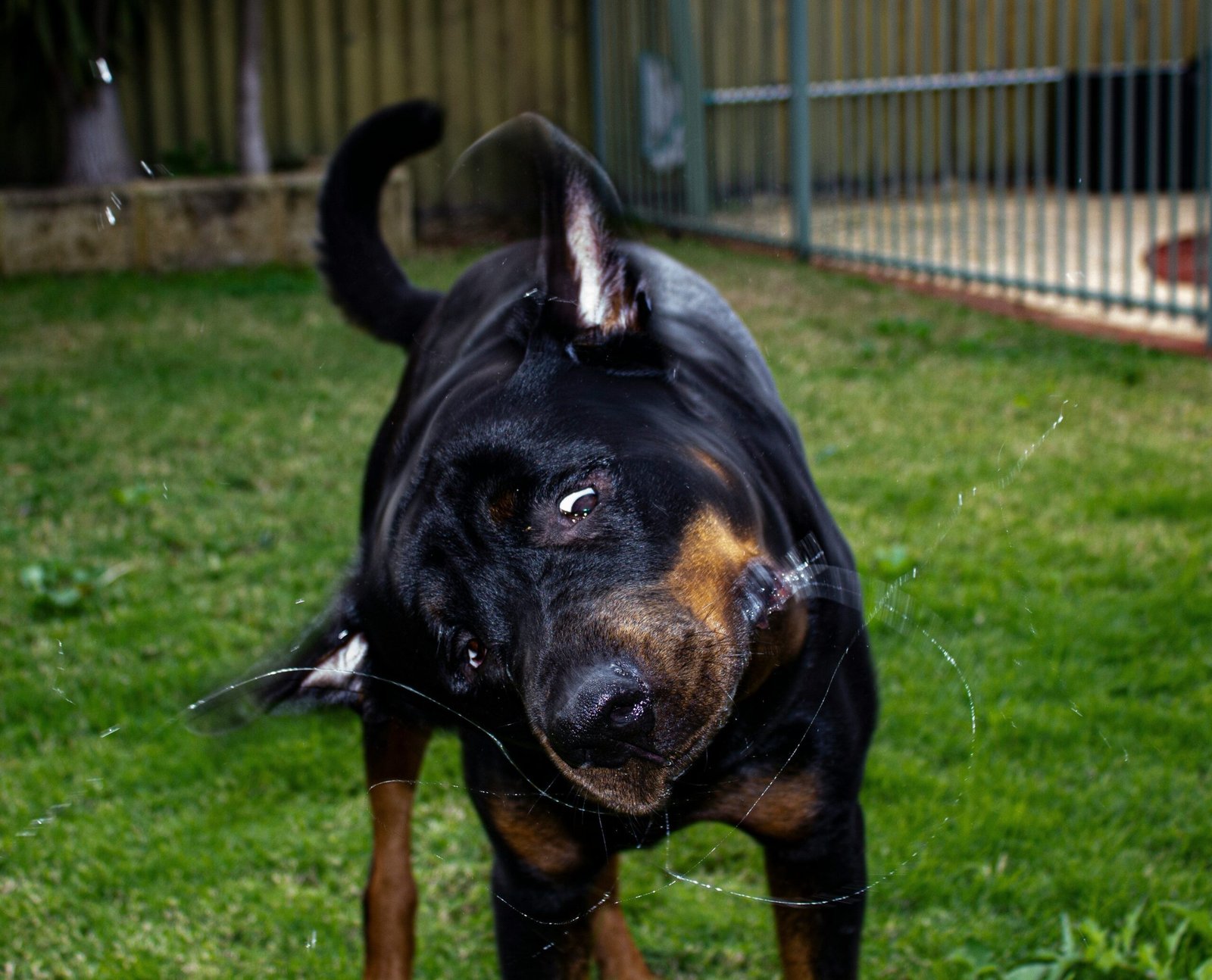
The most obvious reason dogs shake their bodies is to remove excess water. Dogs have an incredible ability to shake off about 70% of the water from their fur within seconds. This instinctive behaviour helps them stay dry, warm, and comfortable.
-
When it’s normal: After a bath, swim, or rainy walk.
-
What to do: Allow them to shake freely, then towel dry to help prevent that “wet dog smell.”
2. After Sleeping or Resting
You’ve probably seen your dog wake up from a nap and immediately shake their entire body. This is their way of resetting their muscles and boosting circulation. It’s similar to how humans stretch and yawn upon waking.
-
When it’s normal: Every time they rise from lying down.
-
What to do: Nothing-it’s part of their natural “wake up” routine.
3. To Relieve Stress or Tension

Dogs also shake their bodies as a way to release emotions. After a stressful event-such as a vet visit, loud noise, or meeting another dog-they often shake to “shake off” the tension.
-
When it’s normal: Following a mildly stressful or exciting experience.
-
What to do: Offer calm reassurance. For persistent stress, consider calming aids like Calmshops Calming Dog Treats.
4. Play and Excitement

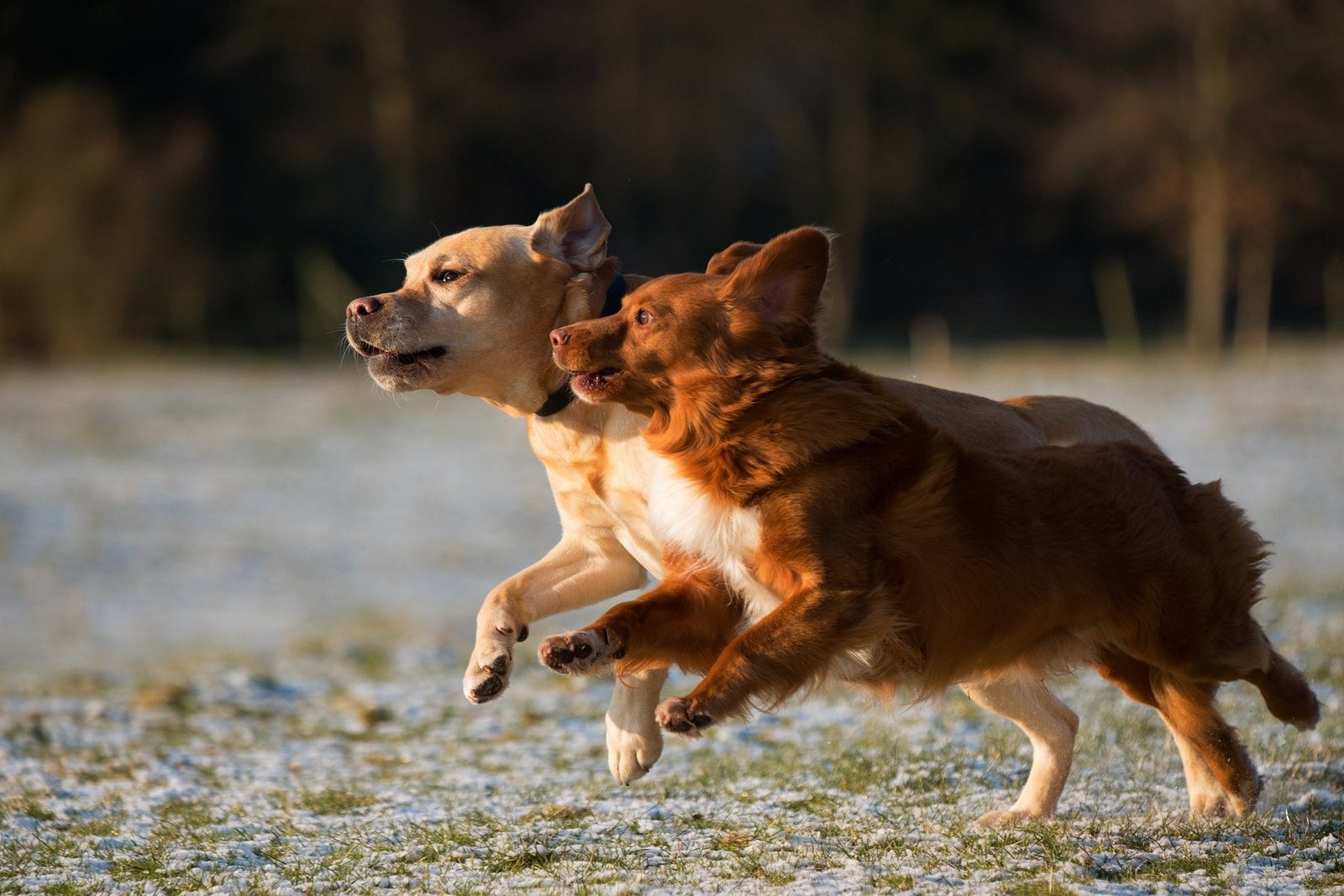
Body shakes can also occur during playtime. Your dog might pause, shake, and then jump right back into the fun. This helps them release built-up energy and reset their emotions while playing. Try the best ball throwers for dogs to enhance play sessions.
-
When it’s normal: During or immediately after active play.
-
What to do: Let them enjoy it-it’s a healthy way to manage excitement.
5. To Get Comfortable
Dogs shake their bodies to readjust their fur, skin, and muscles. This often happens when they change position, adjust their harness, or feel an itch or tickle on their skin.
-
When it’s normal: Occasionally throughout the day.
-
What to do: Ensure their harness or collar fits well. If shaking becomes excessive, check for skin irritations.
6. Communication with Other Dogs
Body shaking can also serve as a social signal. Dogs may shake after meeting another dog to indicate they’re relaxed and non-threatening. It’s a way of saying, “I’m calm, everything is okay.”
-
When it’s normal: After play or introductions.
-
What to do: Observe-it’s usually a positive sign of canine communication.
7. Skin Irritation or Allergies
Excessive shaking can sometimes indicate irritation. Dogs may shake if they’re itchy due to allergies, fleas, ticks, or dry skin.
-
When it’s normal: Never-frequent and intense shaking may indicate discomfort.
-
What to do: Check for fleas, ticks, or redness. Consult your vet if it persists.
8. Ear Problems

A common cause of shaking is ear irritation. If your dog frequently shakes their head and body, it may be due to ear infections, mites, or wax buildup.
-
When it’s normal: Shaking immediately after swimming (to remove water).
-
What to do: If shaking is frequent, inspect their ears. Redness, odor, or scratching indicates a vet visit is needed.
9. Pain or Discomfort
Sometimes dogs shake their bodies when they’re in pain, especially after sudden movement or injury. This may appear as full-body trembling or frequent repositioning.
-
When it’s normal: Rarely.
-
What to do: Watch for limping, whining, or behaviour changes. If shaking accompanies pain signs, consult your vet.
10. Medical Conditions
In rare cases, repeated shaking can be linked to serious medical issues such as neurological disorders, poisoning, or seizures. Dogs may shake as part of a broader health problem.
-
When it’s normal: Never-seek professional help immediately.
-
What to do: If shaking is uncontrollable or accompanied by fainting, lethargy, or vomiting, contact your vet right away.
Why Do Dogs Shake Their Bodies After a Bath?

This topic deserves its own section because many owners ask! Dogs instinctively shake to remove water from their coat. Studies show dogs can shake at a speed of 4-6 times per second, making this process highly efficient.
Tip: Always towel-dry your dog after a bath and brush their fur to prevent matting.
Why Do Dogs Shake Their Bodies After You Hug Them?
Sometimes after cuddling or petting, dogs give a big shake. This doesn’t mean they dislike affection-it’s simply a reset signal. They’re realigning their fur and releasing excess energy.
What to Do If Your Dog Shakes Excessively
Occasional body shakes are completely normal. But if you find yourself frequently wondering, “Why does my dog shake their body so much?”, here are some steps to follow:
-
Check for obvious triggers – such as wet fur, playtime, or naps.
-
Inspect ears and skin – Look for redness, discharge, or fleas.
-
Monitor timing – Note if shaking occurs after stress, exercise, or randomly.
-
Track other symptoms – Lethargy, vomiting, or signs of pain suggest a problem.
-
Consult your vet – If shaking is frequent, intense, or unexplained.
Training and Stress Relief with Calmshops Products
If your dog shakes due to stress or anxiety, training and calming aids can be beneficial:
-
Dog clicker – Reinforce calm behaviour through positive training.
-
No-shock vibrating collars – Effective for training without causing fear.
-
Calming treats – Made with botanicals and natural ingredients to help dogs relax.
Discover these options at Calmshops to make life easier for you and your furry companion.
Final Thoughts: Why Do Dogs Shake Their Bodies?
Dogs shake their bodies for many reasons-from drying off after a bath to releasing stress or signalling relaxation. In most cases, this behaviour is perfectly normal and part of being a dog. However, if shaking becomes excessive, frequent, or is accompanied by signs of illness, it’s important to seek veterinary advice.
So, next time you wonder, “Why do dogs shake their bodies?”, remember that often it’s just your dog being a dog-but sometimes, it’s their way of asking for a little extra care.
Frequently Asked Questions
Here are some common questions dog owners may have about this topic.
Why do dogs shake their bodies after getting wet?
Dogs instinctively shake their bodies to remove excess water from their fur, helping them dry off quickly. This behaviour keeps them warm and comfortable, especially after baths, swims, or rainy walks. Allowing your dog to shake freely before towel drying can reduce dampness and the typical 'wet dog' smell.
Is it normal for dogs to shake after waking up?
Yes, it’s completely normal. Dogs often shake their bodies after sleeping or resting as a way to reset their muscles and improve circulation. This is much like how humans stretch or yawn when waking up and is simply part of their natural routine.
Can shaking indicate stress or anxiety in dogs?
Absolutely. Dogs often shake to release tension after stressful events like vet visits, loud noises, or social encounters. This shaking helps them manage their emotions. If your dog shakes persistently due to stress, offering reassurance or consulting calming options may help.
Why do dogs shake during or after playtime?
Shaking during or after play helps dogs to release built-up energy and reset their emotions. It’s a healthy, natural behaviour that supports their excitement and enjoyment. Allowing your dog to shake during play sessions is beneficial for their overall wellbeing.
How can I tell if my dog’s shaking is due to discomfort or a health issue?
Occasional shaking to readjust fur or relieve an itch is normal, but excessive or persistent shaking might indicate skin irritation, discomfort, or other health concerns. Check their collar or harness fit and observe for any signs of itching or distress. If unsure, consult your vet for advice.