

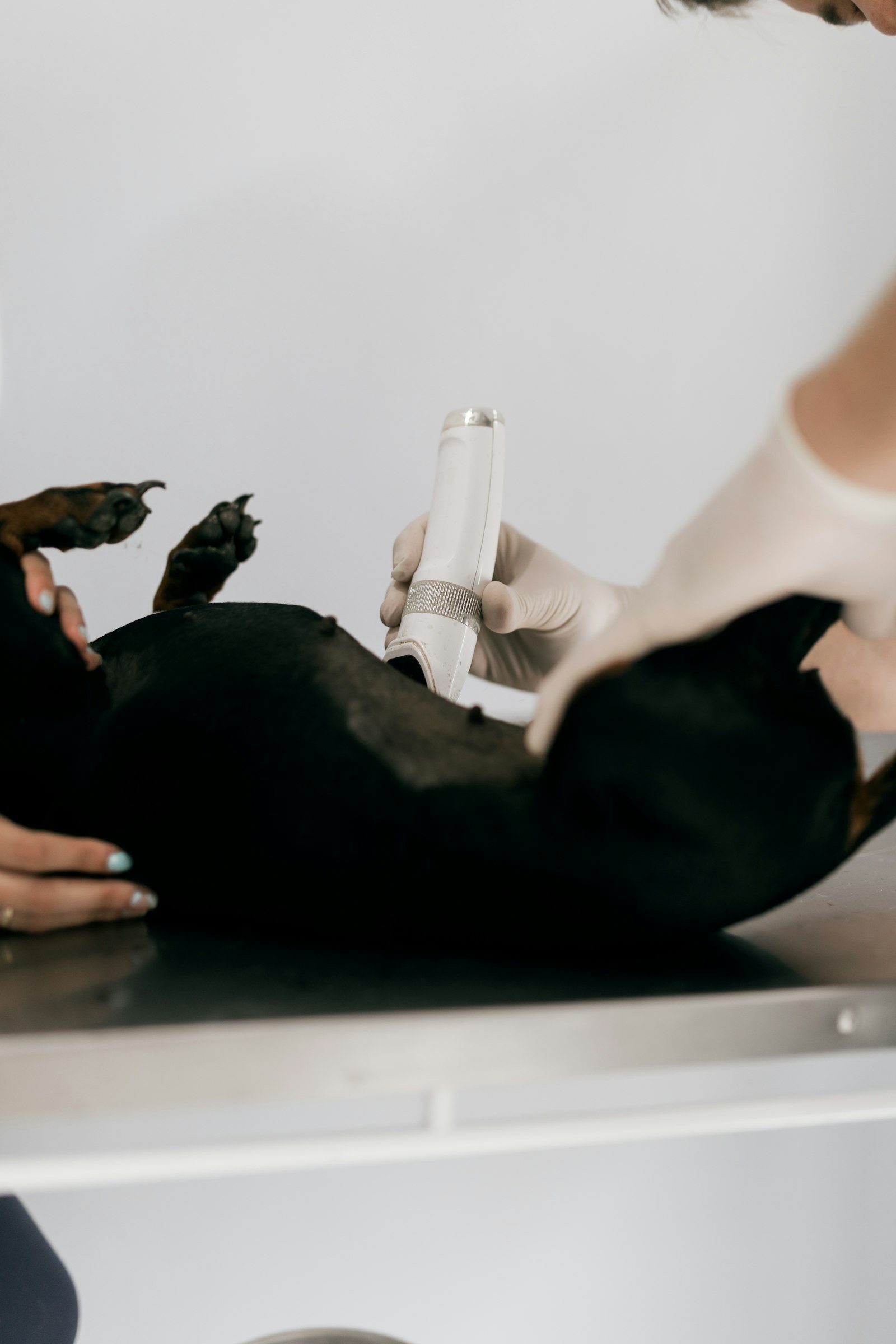
Heart disease in dogs is a group of conditions where the heart or its valves stop working properly, and the most common type is mitral valve disease (MVD), where a faulty valve leaks. The PDSA says MVD is most common in small to medium breeds. Some dogs show no signs for years, so a murmur found at a check-up is something to talk through with your vet.
At a glance
- What it is: a heart valve that thickens and no longer closes fully, so blood leaks backwards and the heart works harder over time (MVD).
- Who it affects: any dog, but MVD is most common in small to medium breeds.
- Urgency: see your vet soon for any signs. Struggling to breathe is an emergency.
- Vet needed? Yes. Only a vet can find and stage heart disease.
Signs to look for
The PDSA lists a heart murmur (a sound your vet hears through a stethoscope), coughing that is often worse at night or after lying down, low energy and slowing down on walks, faster or harder breathing, weight loss, and fainting or collapse. Its page on heart problems in dogs adds heavy panting and a swollen tummy. Coughing has plenty of other causes, which our guide to why dogs cough covers.
Causes and risk factors
The PDSA does not name a single cause of MVD. It describes the valve thickening and leaking, says breed raises the risk, and says there is no known way to prevent it. Breeds it names for MVD include Cavalier King Charles Spaniels, Dachshunds, Papillons, Poodles and Chihuahuas. The Kennel Club says MVD tends to develop as dogs get older, and that inheritance is not fully understood. Other heart conditions have their own pattern: the PDSA names Dobermans and Great Danes for dilated cardiomyopathy, and says defects present from birth are usually serious but rare.
When to call your vet
Speak to your vet if you notice any of the signs above, if you are worried about your dog’s heart, or if a dog with a known heart condition seems to be getting worse. The PDSA says that if your dog is struggling to breathe, contact your vet immediately for an emergency appointment. If you need a vet, our vets near me guide can help you find one.
- 1. Notice
Coughing, low energy, or faster or harder breathing. - 2. Speak to your vet
See your vet soon for any signs. Emergency if struggling to breathe: contact your vet or an emergency vet straight away. - 3. Vet examines
Listens to the heart and may suggest scans, X-rays, blood tests or an ECG. - 4. Options
Treatment options your vet may discuss: monitoring, medication, lifestyle changes. - 5. Ongoing care
Healthy weight, regular short walks, and home breathing checks as your vet advises.
How vets diagnose it
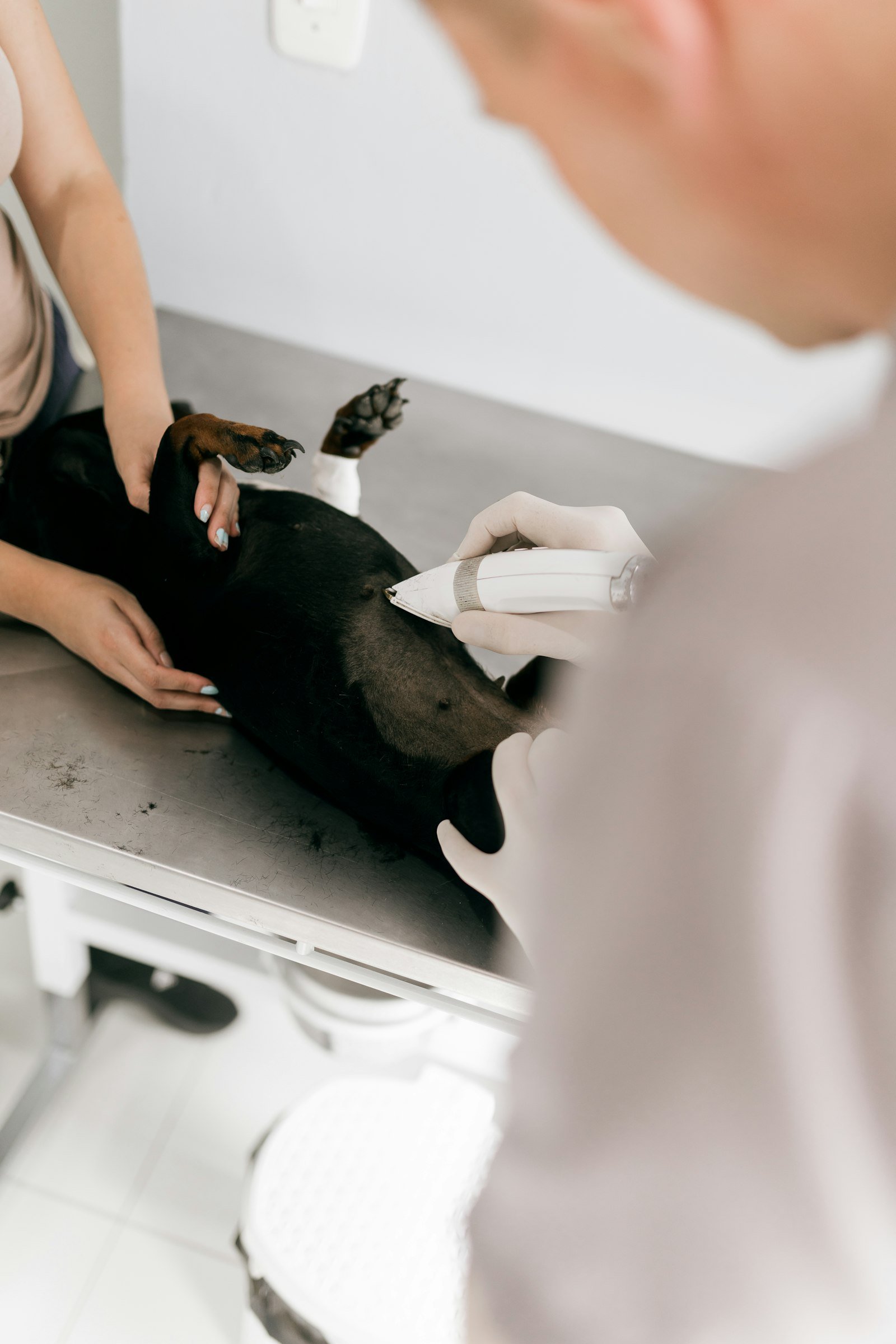
Your vet may hear a murmur when they listen to the heart. The PDSA says further tests can include an ultrasound scan of the heart, X-rays to check heart size and fluid in the lungs, blood tests (including one that shows heart strain), blood pressure checks and an ECG, which records the heart’s rhythm. The PDSA describes MVD in stages: A is a breed prone to MVD with no murmur or signs yet; B1 has a murmur but no signs and no changes on scans or X-rays; B2 has a murmur and no outward signs but changes to heart shape on scans or X-rays; C means signs of heart failure such as coughing, breathing problems, slowing down on walks or collapse; D means heart failure signs that aren’t responding to medication.
What vets generally do about it
There is no cure, but the PDSA says many dogs can be managed with monitoring, medication and lifestyle changes. Mild cases may need only regular check-ups and home monitoring. As the disease progresses, vets may prescribe medicines to help the heart pump and to clear fluid from the lungs. Your vet decides what is right for your dog and when. Valve replacement is not currently possible in dogs, though the PDSA says specialist hospitals are researching repair.
Living with it and prevention
Once your vet has advised, the PDSA suggests keeping your dog at a healthy weight, giving regular short walks and avoiding unusually long or strenuous exercise. It describes counting your dog’s resting breathing rate while asleep as particularly helpful for home monitoring, so ask your vet how and when to do it. Outlook varies a great deal: some dogs live symptom-free, while others develop severe disease. Treatment can be lifelong and costly, so look at UK pet insurance early, and our guide on how long dogs live puts age in context.
Related conditions
- Dilated cardiomyopathy (DCM) in dogs, a weakness of the heart muscle
- Tracheal collapse in dogs, one of the other causes of coughing
- Kennel cough in dogs, another cause of coughing
- Lungworm in dogs, another cause of coughing
- Obesity in dogs
- Back to the dog illnesses A-Z
Specialist help
For Cavalier King Charles Spaniels, the Kennel Club Heart Scheme screens dogs for mitral valve disease and other significant heart conditions. Approved cardiologists grade each dog. The Kennel Club says in most cases your local vet will not be able to assess your dog for this scheme, so ask your vet or the scheme about booking.
Sources
- PDSA: Mitral valve disease in dogs
- PDSA: Mitral valve disease in dogs (PDF)
- PDSA: Heart problems in dogs
- PDSA: Heart problems in dogs (PDF)
- The Kennel Club: Heart Scheme for Cavalier King Charles Spaniels
Frequently Asked Questions
What is mitral valve disease in dogs?
It is a heart problem caused by a faulty valve. The mitral valve thickens and cannot close fully, so it leaks, causing a murmur and making the heart work harder over time. Your vet can tell you whether it affects your dog.
Can heart disease in dogs be cured?
The PDSA says there is no cure for mitral valve disease, but many dogs can be managed with monitoring, medication and lifestyle changes, and valve replacement is not currently possible in dogs. Speak to your vet about what is right for your dog.
Does a heart murmur mean my dog is ill?
Not necessarily. In the PDSA staging, a murmur with no signs and no changes on scans is called stage B1, and some dogs show no signs for years. Your vet decides what monitoring is needed.
Which breeds get mitral valve disease?
Any dog can be affected, but the PDSA says it is most common in small to medium breeds, including Cavalier King Charles Spaniels, Dachshunds, Papillons, Poodles and Chihuahuas.
This page is general information, not veterinary advice. If you are worried about your dog, speak to your vet. Written by Georgiana & Figo, who are dog owners, not vets. Have a look around Calmshops for everyday dog essentials.