

DCM in dogs, short for dilated cardiomyopathy, is a disease in which the heart muscle thins and weakens, so the heart becomes enlarged and struggles to pump blood. It is more often seen in large and giant breeds, but any dog can be affected, and it can be present before any signs show. If you are worried about your dog’s heart, speak to your vet.
At a glance
- What it is: a heart muscle disease where the heart enlarges and weakens.
- Who it affects: any dog, but the PDSA lists large and giant breeds, and some spaniels, as more at risk.
- Urgency: an emergency if your dog collapses or struggles to breathe; otherwise book a vet appointment soon.
- Vet needed? Yes. It needs a vet diagnosis and usually lifelong monitoring.
Signs to look for
The PDSA says DCM develops gradually, often over months to years. Early on, signs can be subtle: low energy, tiring quickly on walks, fainting or collapse, or a heart murmur or irregular rhythm that your vet picks up. Later, once the heart begins to fail, you may see breathlessness, coughing (often in the morning), weight loss, swollen legs, a bloated belly, and cold legs and ears.
The PDSA also warns that DCM “can occasionally cause sudden death, sometimes even before any other symptoms have developed”. That is why screening matters in at-risk breeds. The Kennel Club notes that signs may not be apparent for years, so a dog can be affected before symptoms show. Coughing has other causes too, which our guide to why your dog is coughing covers.
Causes and risk factors
According to the PDSA, DCM is a genetic disease in most cases. Less commonly it may be linked to poor diet, a virus, a toxin or certain heart-affecting medicines. Breeds it names as most at risk are Dobermans, Irish Wolfhounds, Great Danes, Newfoundlands and Boxers, with Cocker Spaniels and Springer Spaniels also affected, though any breed can develop it.
In some breeds the cause is a known genetic change. The Kennel Club explains that its DCM DNA test is for a condition that is autosomal recessive. In plain words, a dog must inherit two copies of the faulty gene to be affected, while a dog with one copy is a carrier that shows no signs but can pass the gene on.

When to call your vet
If your dog has collapsed or is struggling to breathe, the PDSA says to contact your vet immediately for an emergency appointment. Our vets guide helps if you do not have a regular practice.
For anything less urgent, the PDSA says to book an appointment if you have noticed any of the signs above or are worried about your dog’s heart. If your dog already has DCM and seems to be getting worse, speak to your vet. Our sick dog symptoms page can help you decide how quickly to call.
- 1. Notice
Low energy, tiring quickly on walks, or coughing - 2. Speak to your vet
Book soon. Emergency: contact your vet or an emergency vet straight away if your dog collapses or struggles to breathe - 3. Vet examines
Tests such as an ECG, ultrasound scan, X-rays and blood tests - 4. Options
Treatment options your vet may discuss: medicines to manage the heart - 5. Ongoing care
Can need lifelong monitoring and treatment
How vets diagnose it
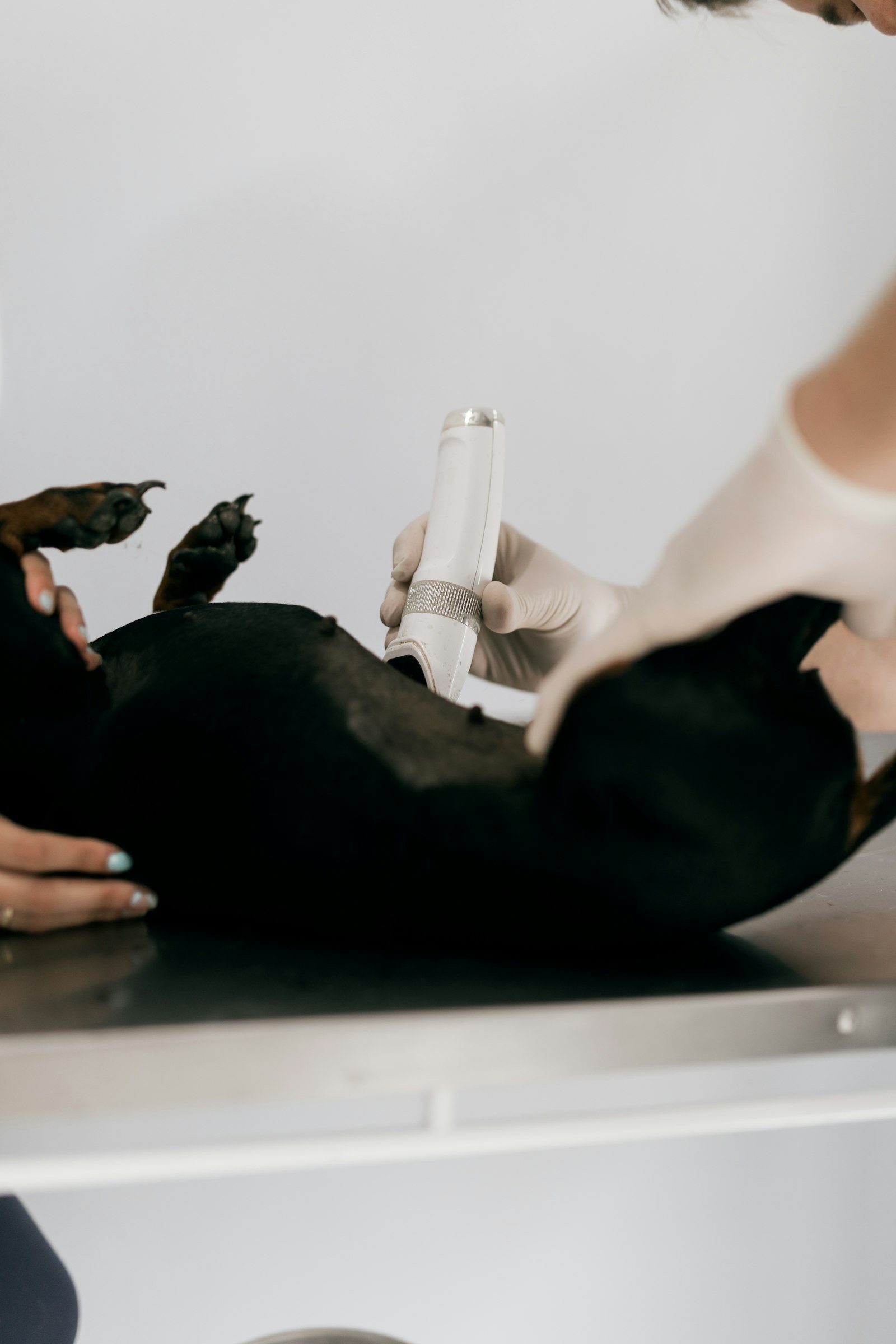
According to the PDSA, diagnosis can involve several tests. These can include an ECG (a recording of the heart’s rhythm), an ultrasound scan to look at the heart wall, chamber size and pumping, X-rays to check for an enlarged heart or fluid on the lungs, and blood tests such as proBNP, which can show strain on the heart muscle. Which tests are needed is a decision for your vet.
What vets generally do about it
Treatment is decided by your vet and depends on whether your dog has signs. The PDSA says that in a dog without signs, medicine may be used to slow progression or to help an abnormal heartbeat. Once heart failure develops, treatment usually combines several medicines, for example to remove excess fluid, support the heart’s pumping, ease circulation and control the rhythm. The PDSA says DCM cannot be cured but can usually be managed with medication.
The outlook varies. The PDSA says dogs diagnosed and treated early may live several years, while those with severe disease may survive only weeks, and DCM usually shortens life expectancy. Our guide on how long dogs live looks at lifespan more generally.
Living with it and prevention
Once your vet has made a plan, the PDSA says DCM can need lifelong monitoring and treatment. If your dog has been given a list of medicines, keep to it and speak to your vet before adding any supplement. Costs can build up, so the PDSA suggests talking openly with your vet about finances and taking out pet insurance early; our pet insurance guide is a starting point. Full list of conditions: dog illnesses A to Z.
On prevention, the PDSA says screening can detect DCM early and recommends annual screening from age 3 in at-risk breeds. Ask your vet what is sensible for your breed.
Related conditions
- Heart disease (mitral valve disease) in dogs
- Tracheal collapse in dogs
- Kennel cough in dogs
- Lungworm in dogs
Specialist help
The Kennel Club runs an official DNA testing scheme for DCM. In a news item dated 14 December 2018, BSAVA reported that the Kennel Club had approved the scheme for Giant Schnauzers. Results from Kennel Club-listed laboratories are recorded on its Health Test Results Finder, which is useful if you are choosing a puppy from a breed with a test.
Sources
- PDSA, Dilated cardiomyopathy (DCM) in dogs (Pet Health Hub PDF)
- The Kennel Club, DNA test: DCM (dilated cardiomyopathy)
- BSAVA, New DNA testing scheme for Giant Schnauzers (14 December 2018)
Frequently Asked Questions
What does DCM stand for in dogs?
DCM stands for dilated cardiomyopathy, a disease in which the heart muscle thins and weakens so the heart enlarges and struggles to pump blood. Your vet can tell you whether your dog needs tests.
Which dog breeds get DCM?
The PDSA lists Dobermans, Irish Wolfhounds, Great Danes, Newfoundlands and Boxers as most at risk, with Cocker and Springer Spaniels also affected. Any breed can develop it, so speak to your vet if you are worried.
Can DCM be cured?
No. The PDSA says it cannot be cured but can usually be managed with medication, and treatment can be lifelong. Your vet will advise on the plan.
Can a dog with DCM show no signs?
Yes. The PDSA says DCM can occasionally cause sudden death before other symptoms appear, and the Kennel Club says signs may not be apparent for years. That is why vets recommend screening in at-risk breeds.
This page is general information, not veterinary advice. If you are worried about your dog, speak to your vet. Written by Georgiana & Figo, who are dog owners, not vets. Have a look around Calmshops for everyday dog essentials.