

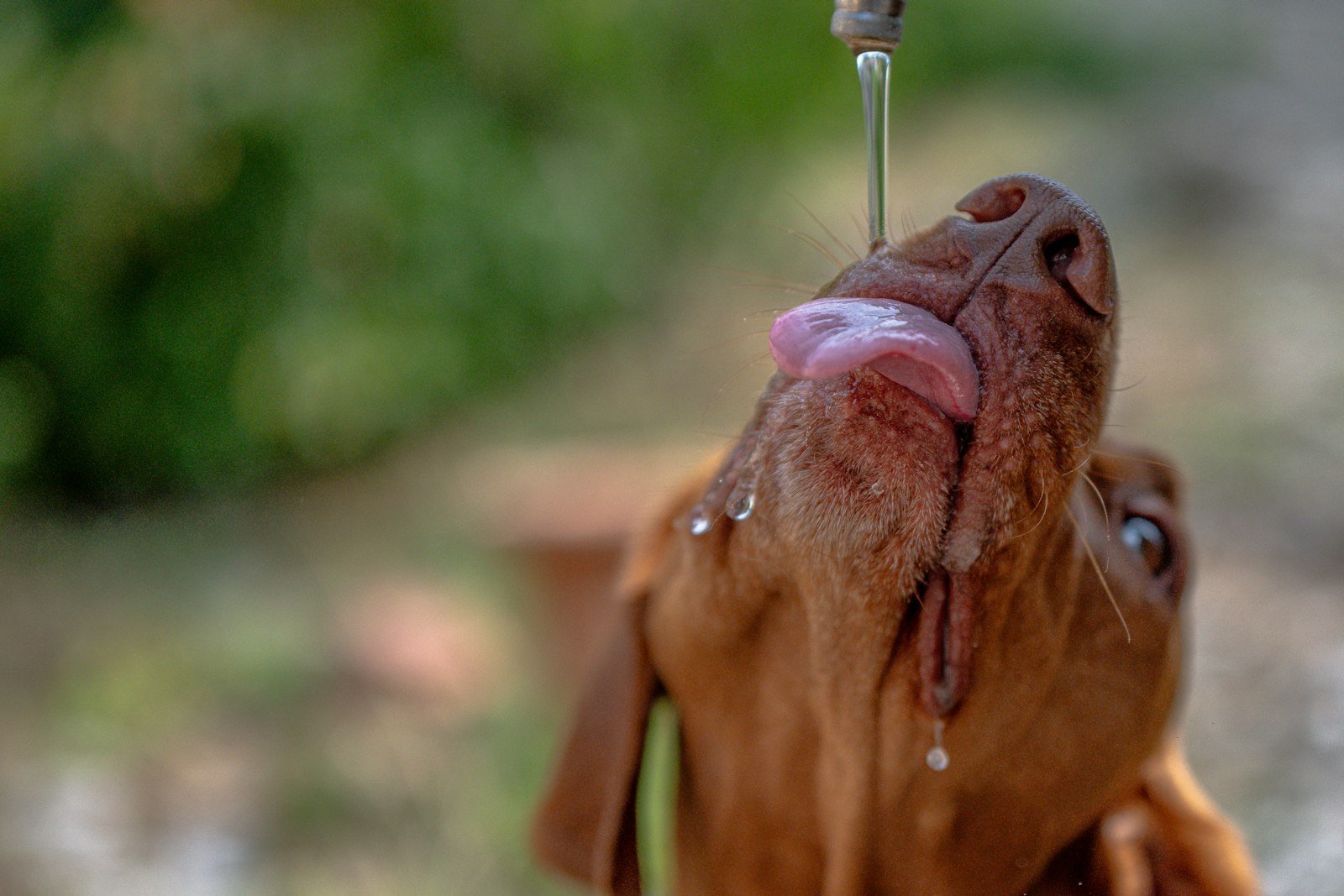
Heatstroke in dogs is a dangerous rise in body temperature that happens when a dog overheats and can’t cool itself down. The PDSA says a dog’s normal temperature is roughly 38 to 39°C, and above 40°C they are at risk of heatstroke. It can get worse quickly, so if you think your dog has heatstroke, start cooling them and contact an emergency vet immediately.
At a glance
- What it is: overheating that can damage organs and, in the worst cases, be fatal.
- Who it affects: any dog, though flat-faced, long-haired, overweight, young and older dogs are at higher risk.
- Urgency: emergency. Contact an emergency vet immediately while you start cooling your dog.
- Vet needed? Yes, straight away. Contact an emergency vet immediately if you suspect heatstroke.
Signs to look for
The PDSA groups the signs by how bad they are:
- Milder: panting, fast or difficult breathing and low energy.
- Moderate: drooling, foaming, vomiting, diarrhoea, abnormal gum colour, shaking, weakness or collapse.
- Severe: confusion, seizures, unconsciousness, or vomit or diarrhoea containing blood.
The RSPCA adds heavy panting, a dry nose and sunken eyes (which it links to dehydration) and trouble standing or walking. Our sick dog symptoms guide helps if you’re unsure whether it is heat or something else.
Causes and risk factors
The PDSA says nearly three quarters of cases develop during play or exercise, but a dog can also overheat sitting in a hot car, conservatory or poorly ventilated room.
The best UK numbers come from a VetCompass study in Scientific Reports by Hall, Carter and O’Neill, which looked at 905,543 dogs under UK vet care in 2016 and found 395 heat-related illness events. Compared with Labradors, dogs with higher odds included Chow Chows (16.6 times), Bulldogs (13.95 times), French Bulldogs (6.49 times) and Pugs (3.24 times). Flat-faced dogs had 2.10 times the odds of dogs with average-length muzzles. 40% of the cases were in July 2016, which the authors link to a heatwave. Of the 395 events, 56 ended in death (14.18%).
- Move your dog to shade or a cool, airy place.
- Pour cold tap water over the body, keeping water away from the nose and mouth.
- Fan them to help the water cool the skin.
- Offer small drinks of water, but do not force them to drink.
- Do not cuddle them or cover them with a wet towel, as it can make them hotter.
- Travel to the vet as soon as possible.
When to call your vet
Suspected heatstroke is an emergency. The PDSA says to contact a vet promptly and travel to the nearest practice, so contact an emergency vet immediately (your own vet or an out-of-hours service) while you start cooling your dog. Heatstroke can damage the kidneys, brain, gut, heart and lungs, and the PDSA says dogs treated for it usually need a recheck a few days after they go home. Not sure who to call? Our vets near me guide helps you find a practice before you need one.
While you get to the vet, the PDSA advises moving your dog into shade or a cool room, pouring cold tap water over the body (keeping water away from the nose and mouth), using a fan, and offering water without forcing it. It says not to cuddle your dog or cover them with a wet towel, as this will make them even hotter. Then it says to travel to the nearest vet, with someone keeping your dog cool on the way. The RSPCA puts the order as “cool first, transport second”, using water cooler than your dog’s body temperature on the neck, stomach and thighs and avoiding the head. Both sources start with cooling. If you see a dog in a hot car showing signs of heatstroke, the RSPCA says to call 999 and stay with the dog.
How vets diagnose it
Your vet will assess your dog, and the PDSA says they may run blood and urine tests to check for organ damage.
What vets generally do about it
According to the PDSA, vets cool the dog quickly with cold water and fans and, if needed, an intravenous (IV) fluid drip. Severe cases can need oxygen, medication or anaesthesia, and some dogs stay in hospital for several days. Heatstroke can cause blood clotting problems and damage the kidneys, brain, gut, heart and lungs. After discharge, you will be asked to watch your dog closely for 24 to 48 hours and to go back for a check, often with repeat tests, within a few days. Your vet decides what happens next.
Living with it and prevention
The PDSA says to walk in the early morning or evening, always provide shade and water, avoid exercising unfit, elderly, young, overweight or breathless dogs on hot days, and never leave a dog in a car on a warm day, even briefly. It also suggests testing the pavement with the back of your hand: if you can comfortably hold it there for 7 seconds, it is okay for paws. The PDSA says keeping a healthy weight and clipping long coats also helps, and emergency treatment can be costly, so read our guide to UK pet insurance.
Related conditions
- BOAS in dogs, breathing problems in flat-faced breeds
- Obesity in dogs
- Kidney disease in dogs, as the kidneys can be damaged by heatstroke
- Epilepsy and seizures in dogs
- GDV (bloat) in dogs
- Back to the dog illnesses A-Z
Sources
- PDSA: Heatstroke in dogs
- RSPCA: Dog heatstroke treatment and first aid
- Royal Veterinary College (VetCompass): Incidence and risk factors for heat-related illness (heatstroke) in UK dogs under primary veterinary care in 2016, Scientific Reports, 2020
Frequently Asked Questions
What temperature is heatstroke in dogs?
The PDSA says a dog’s normal body temperature is roughly 38 to 39°C, and above 40°C they are at risk of heatstroke. The longer a dog stays that hot, the more dangerous it is, so speak to your vet straight away.
What are the first signs of heatstroke in a dog?
The PDSA lists panting, fast or difficult breathing and low energy as milder signs. Drooling, vomiting, abnormal gum colour, weakness and collapse are more serious. Ring your vet if you see any of them.
Can dogs get heatstroke on a walk?
Yes. The PDSA says nearly three quarters of heatstroke cases develop while dogs are playing or exercising. Walk in the cooler parts of the day, carry water and speak to your vet if you are worried.
Can a dog recover from heatstroke?
The PDSA says mild cases that are cooled and treated quickly usually recover fully, while severe cases, cases with organ damage and delayed treatment have a poorer outlook. In a UK study of 395 events, 56 ended in death. Speak to your vet about your own dog.
This page is general information, not veterinary advice. If you are worried about your dog, speak to your vet. Written by Georgiana & Figo, who are dog owners, not vets. Have a look around Calmshops for everyday dog essentials.

