
Kidney disease in dogs is any condition that stops the kidneys working properly. The PDSA explains that the kidneys filter toxins out of the blood, remove waste in urine and help control blood pressure. It can come on suddenly or build slowly over months or years, and it is more common in older dogs. Either way, it needs your vet.
At a glance
- What it is: the kidneys no longer filter the blood properly. It can be sudden (acute) or long-term (chronic)
- Who it affects: any dog, but older dogs are more likely to develop it, and some breeds are more prone
- Urgency: prompt. The PDSA says to see a vet as soon as you spot signs, and that kidney failure is very serious and needs immediate veterinary treatment
- Vet needed? Yes, for diagnosis, treatment and regular monitoring
Signs to look for
The PDSA lists these as the main signs:
- passing more urine, often very pale or almost clear
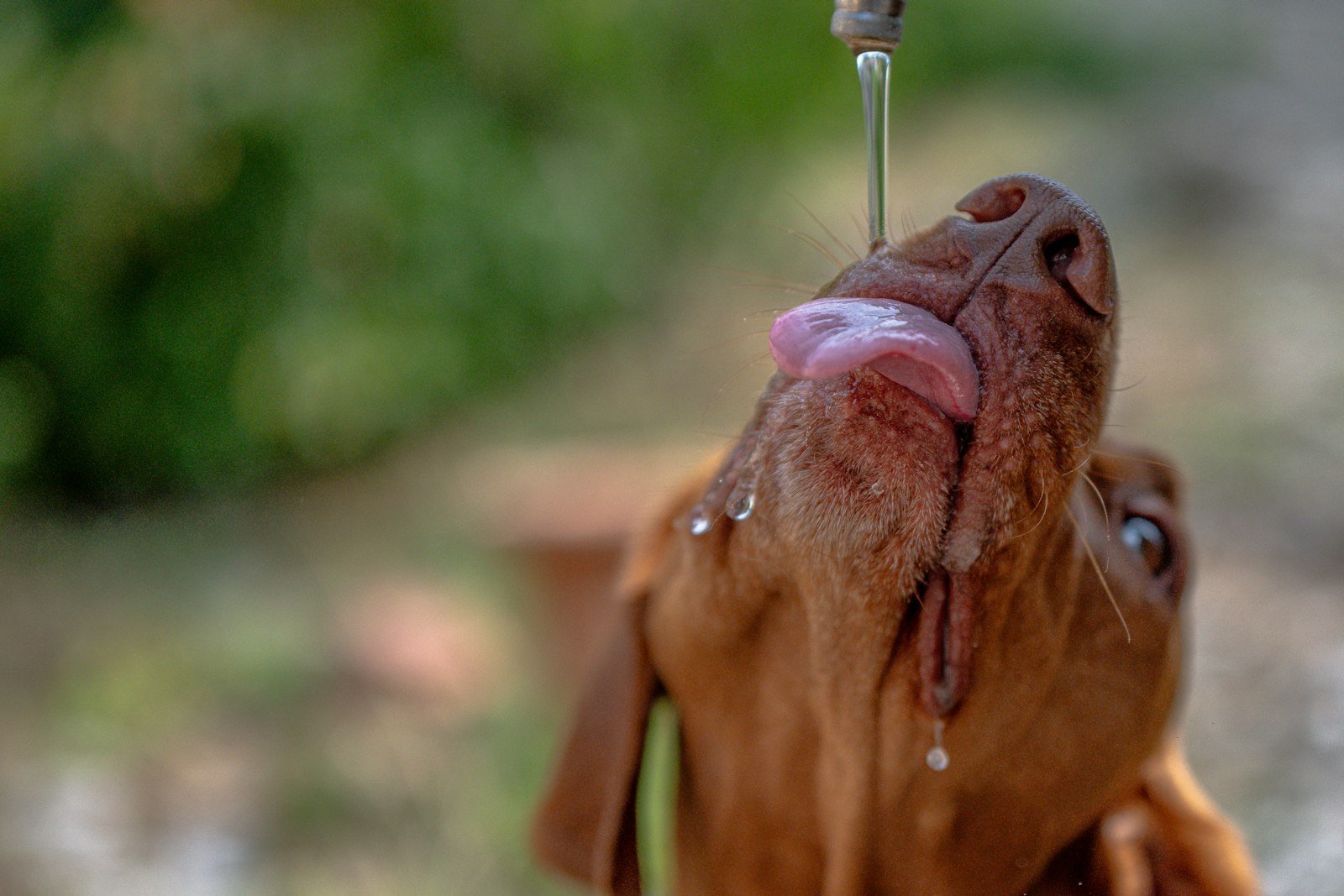
- drinking much more water
- vomiting and looking unwell
- reduced appetite and weight loss
- tiredness and general unhappiness
The BSAVA PetSavers leaflet lists similar early signs. These signs can have other causes, so only a vet can tell what is going on. Our guide to dogs not eating enough and the sick dog symptoms page may help you describe what you have noticed.
Causes and risk factors
The PDSA says acute kidney disease can follow poisons, cancer or infection, and chronic disease can follow a tumour or infection. It names antifreeze (ethylene glycol) and raisins among the poisons, and long-term urinary problems, blockages or urinary stones as other causes. See our pages on poisoning and bladder stones. Leptospirosis, a bacterial infection, can also seriously damage the kidneys, as we explain on our leptospirosis page.
Older dogs are more likely to be affected. The PDSA says English Cocker Spaniels, Bull Terriers and German Shepherds are more prone, though any dog can be affected. BSAVA notes that in many cases the cause is never found, and that some forms are hereditary.
When to call your vet
Speak to your vet promptly if you notice a dog drinking and weeing far more than usual, or going off their food and losing weight. The PDSA says kidney failure needs immediate veterinary treatment, so if your dog is vomiting and seems very unwell, ring your vet or out-of-hours service straight away. You can find a practice through our vets database.
For a dog already diagnosed, BSAVA says vomiting or diarrhoea is more serious than in a healthy dog because of the risk of dehydration, and that seizures can occur in later stages, in which case you should contact your vet as soon as possible. Speak to your vet about either.
- 1. Notice
Drinking and weeing more, or eating less - 2. Speak to your vet
See a vet as soon as you spot signs. If vomiting and very unwell, ring straight away - 3. Vet examines
Examination, urine and blood tests, sometimes X-rays or ultrasound - 4. Options
Treatment options your vet may discuss: fluids, medicines, kidney diet - 5. Ongoing care
Fresh water always, plus regular check-ups with your vet
How vets diagnose it
According to the PDSA, your vet will usually:
- examine your dog, feel the kidneys and measure blood pressure
- test a urine sample for protein and to rule out infection
- run blood tests to check how well the kidneys are working
- use X-rays or ultrasound, because diseased kidneys are often larger and an irregular shape
BSAVA stresses that the earlier the disease is found, the more successful efforts to slow it will be.
What vets generally do about it
Treatment depends on the type and severity, and your vet decides the plan. The PDSA says it can include fluids given by drip, medicines to control high blood pressure and to ease vomiting or poor appetite, and a prescription kidney diet that is lower in protein. BSAVA explains that chronic kidney disease cannot be cured or reversed, but management can ease signs and slow progression, and many dogs live good-quality lives with treatment.
Living with it and prevention
Once your vet has set a plan, the PDSA says dogs should always have fresh water available, with several bowls around the house. Food changes should be gradual and only under vet guidance, because sudden changes can make things worse. BSAVA advises mixing new food with the old rather than starving a dog into eating it, and says routine check-ups are usually every six months, but may be as often as every two weeks when new medication is introduced.
In very late stages, BSAVA says talking to your vet about quality of life becomes important. Insurance can help with long-term costs, so see our pet insurance guide. The sources we read give no proven way to prevent kidney disease, apart from keeping poisons out of reach and speaking to your vet early about any signs.
Related conditions
- Leptospirosis in dogs
- Urinary tract infections in dogs
- Bladder stones in dogs
- Poisoning in dogs
- Diabetes in dogs
- Cushing’s disease in dogs
- Back to the dog illnesses A-Z
Specialist help
The International Renal Interest Society (IRIS) is a non-profit, UK-registered group of veterinary kidney specialists. It produces guidelines for vets and has a Pet Caregiver Information section for owners.
Sources
- PDSA, What is kidney disease?
- BSAVA PetSavers, My Dog Has Kidney Disease
- International Renal Interest Society, About IRIS
Frequently Asked Questions
What are the first signs of kidney disease in dogs?
The PDSA and BSAVA list drinking and urinating more, reduced appetite, weight loss, tiredness and vomiting. These can have other causes, so speak to your vet if you notice them.
Can kidney disease in dogs be cured?
BSAVA says chronic kidney disease cannot be cured or reversed, but management can ease signs and slow progression. The PDSA says some dogs with sudden kidney problems partly recover, depending on severity. Your vet can explain what to expect for your dog.
Does my dog need a special diet?
The PDSA says prescription kidney diets are often central to management, but changes should be gradual and made under vet guidance. Speak to your vet before changing your dog’s food.
Which dogs are most at risk?
Older dogs are more likely to be affected, and the PDSA names English Cocker Spaniels, Bull Terriers and German Shepherds as more prone, although any dog can develop kidney disease.
This page is general information, not veterinary advice. If you are worried about your dog, speak to your vet. Written by Georgiana & Figo, who are dog owners, not vets. Have a look around Calmshops for everyday dog essentials.