

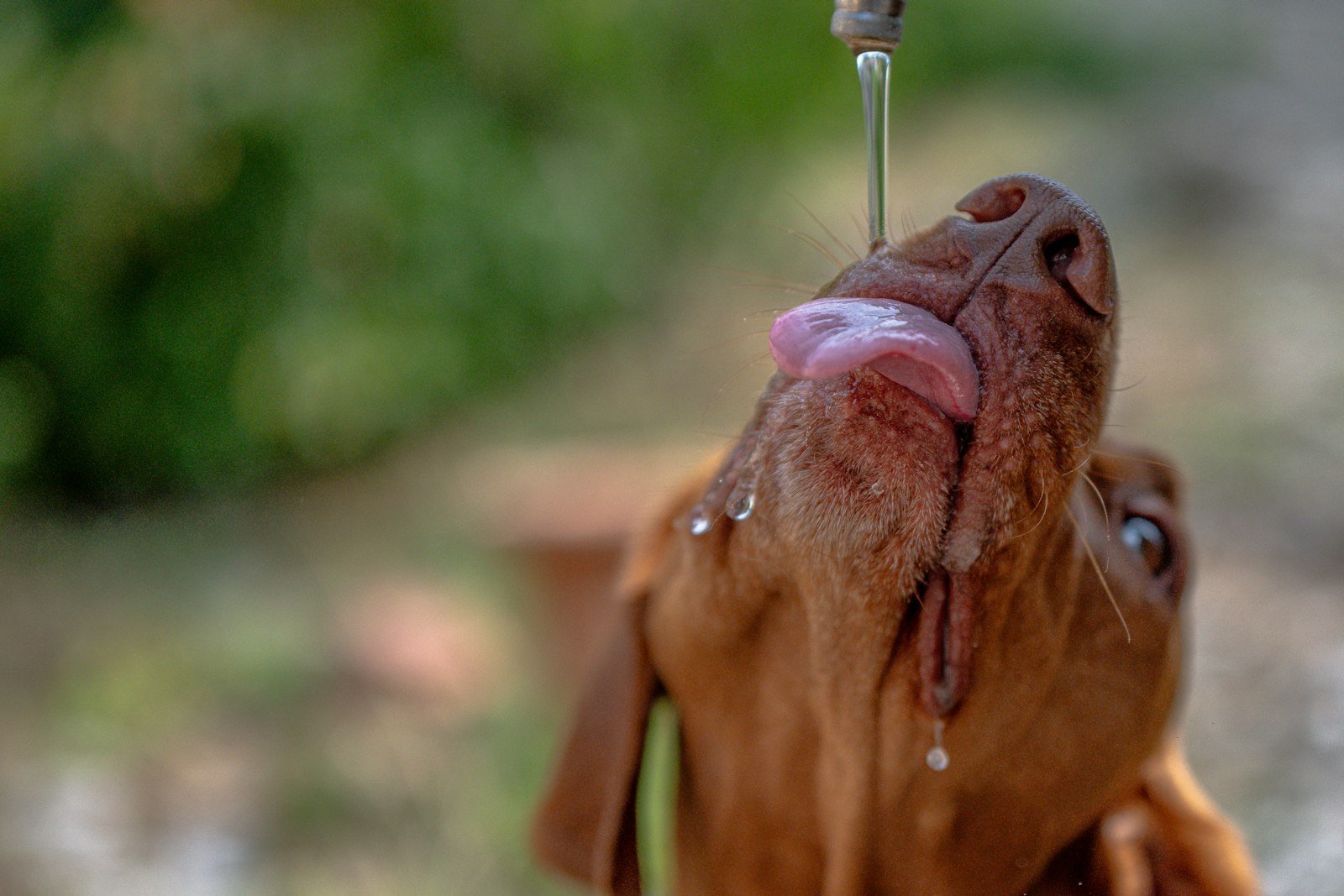
Urinary tract infections (UTIs) in dogs are infections, usually bacterial, somewhere in the urinary system, most often the bladder. When it is in the bladder, vets call it cystitis, which simply means inflammation of the bladder. The PDSA says female dogs are affected more than males. It can be very painful, so if your dog’s toilet habits change, speak to your vet.
At a glance
- What it is: an infection of the urinary tract, usually bacteria in the bladder.
- Who it affects: dogs of any kind, but more often females. It is usually linked to another condition.
- Urgency: soon. Contact your vet as soon as possible if your dog cannot pee at all.
- Vet needed? Yes. A vet needs to test the urine and prescribe treatment.
Signs to look for
The PDSA lists pain or straining to pee, peeing more often or only small amounts, strong-smelling urine, blood in the urine, peeing indoors, licking the genital area and a painful tummy. Cornell gives a similar list. Several other problems cause the same signs, which is why a urine test matters. In male dogs, for example, the PDSA says prostate problems tend to cause blood in the urine, straining and pain when weeing. Our sick dog symptoms guide can help you judge how fast to call.
Causes and risk factors
The Blue Cross says cystitis in dogs is commonly caused by bacteria leading to a urine infection, and notes that females are more affected because the tube leading to the bladder is shorter. Cornell adds that the bacteria, most often E. coli, usually enter the bladder from the environment and get past the body’s defences. The PDSA says infections usually happen alongside another condition affecting the urinary tract. Between them, the two sources name:
- bladder stones or a bladder injury
- diabetes and Cushing’s disease
- kidney disease
- steroids and other immune-suppressing medicines
- incontinence, spinal disc disease (IVDD), body-shape differences such as a hooded vulva, and cancer
Cornell notes a kidney infection is called pyelonephritis, and defines recurrent UTIs as at least two in six months or three in a year. The Blue Cross says a repeat infection in an uncastrated male can mean prostate disease.
When to call your vet
The PDSA says to contact your vet if your dog’s peeing habits change. Its page on urine and bladder problems says to contact your vet as soon as possible if your dog cannot pee, as this could be life-threatening, and suggests bringing a fresh urine sample if you can. The PDSA also warns that a bladder infection can spread to the kidneys, which can be very serious. If you need a practice, use our vets guide.
- 1. Notice
Straining to pee or blood in the urine - 2. Speak to your vet
As soon as possible if your dog cannot pee - 3. Vet examines
Questions, feeling the bladder, urine sample and tests - 4. Options
Treatment options your vet may discuss: antibiotics, pain relief, plenty of water - 5. Ongoing care
Finish antibiotics as prescribed; recheck if signs don’t fully clear
How vets diagnose it
The PDSA says the vet asks questions, feels the bladder and may ask for a fresh urine sample. Cornell explains that a urinalysis checks urine for white blood cells, bacteria and red blood cells. Urine is often collected with a needle into the bladder (cystocentesis), which limits contamination. A urine culture and sensitivity test confirms infection, identifies the bacteria and shows which antibiotics work. If signs keep returning, the PDSA says blood tests, X-rays or an ultrasound may follow. Cornell adds that bacteria on a routine urinalysis don’t necessarily mean infection, and that only dogs with signs should be treated.
What vets generally do about it
Treatment is decided by your vet. The PDSA describes a short course of antibiotics that must be finished as prescribed, anti-inflammatory pain relief if needed, encouraging plenty of water, frequent toilet breaks and treating any underlying cause such as bladder stones. Cornell says a broad-acting antibiotic may be started first and changed once culture results arrive.
Living with it and prevention
The PDSA says simple infections usually clear within a few days of starting treatment, but can return if there is an underlying cause or antibiotics are stopped early. Cornell says dogs whose signs don’t fully clear should be rechecked. For recurring cases, expect your vet to look for a cause.
For everyday care, the PDSA suggests fresh, clean water at all times and letting your dog out whenever they need to empty their bladder. It says cranberry juice has little evidence behind it but is safe alongside veterinary treatment, so ask your vet first. Cornell says many UTIs can’t be avoided, though managing underlying causes can reduce them. Tests and repeat visits can be costly, so read our pet insurance guide. The PDSA says UTIs aren’t contagious. More conditions are in the dog illnesses A-Z.
Related conditions
Sources
- PDSA: Bladder infection (UTI) in dogs
- PDSA: Urine and bladder problems in dogs
- Blue Cross: Cystitis in dogs
- Cornell University Riney Canine Health Center: Urinary tract infections
Frequently Asked Questions
What are the signs of a UTI in a dog?
The PDSA lists straining or pain when peeing, peeing more often or in small amounts, strong-smelling urine, blood in the urine, peeing indoors and licking the genital area. Other problems cause these signs too, so speak to your vet.
How long does a dog UTI take to clear?
The PDSA says simple infections usually clear within a few days of starting treatment, but they can return if the antibiotics are stopped early or there is an underlying cause. Always finish the course your vet gives.
Is a UTI contagious?
No. The PDSA says UTIs aren’t contagious.
Does cranberry juice help a dog with a UTI?
The PDSA says there is little evidence it helps, though it is safe to give alongside veterinary treatment. Speak to your vet before adding anything to your dog’s diet.
When is a urinary problem an emergency?
The PDSA says to contact your vet as soon as possible if your dog cannot pee, as this could be life-threatening. Speak to your vet straight away.
This page is general information, not veterinary advice. If you are worried about your dog, speak to your vet. Written by Georgiana & Figo, who are dog owners, not vets. Have a look around Calmshops for everyday dog essentials.

