


Fleas on dogs are tiny blood-feeding insects that live on dogs, cats and rabbits and in your home, as the PDSA explains. They can bite people but can’t live on us. Most of a flea problem is in the house rather than on the dog, so treating the dog alone often isn’t enough. Speak to your vet about a suitable product.
At a glance
- What it is: a parasite infestation, with fleas on the dog and flea eggs, larvae and pupae in the home.
- Who it affects: dogs, cats and rabbits. The PDSA says large numbers of fleas can cause dangerous blood loss, especially in young, old or ill pets.
- Urgency: soon. Call your vet practice if you think your dog has fleas, and mention it if your dog is young, old or unwell, or has sore, infected or extremely itchy skin.
- Vet needed? Usually. Prescription products need a vet, and a vet can advise on products that have failed.
Signs to look for
The PDSA lists:
- scratching, and turning quickly or jumping to nibble their back end
- flea dirt (flea droppings), usually on the lower back
- bites, a rash, bald patches or rough, spiky fur
- sore or infected skin from scratching
- live fleas, though these are hard to spot
Some dogs are allergic to flea bites and are severely itchy every time they’re bitten (flea allergy dermatitis, or FAD). ESCCAP says moist skin inflammation is typically seen over the lower back and tail area.
Causes and risk factors
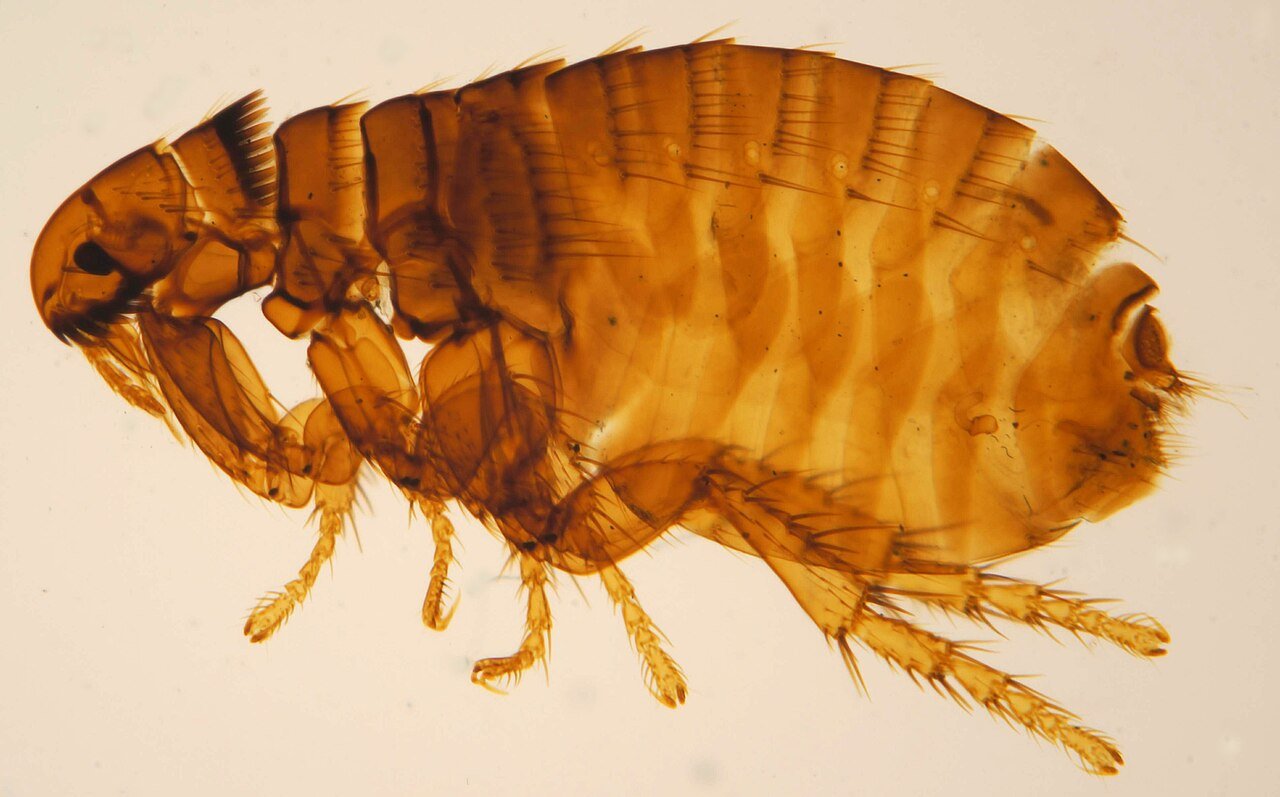
Cornell University’s vets explain that only adult fleas live on the animal. A female lays around 40 eggs a day, which fall off into the surroundings, and the pupae can wait for months before emerging when they sense a host nearby. The whole cycle can take about three weeks. The PDSA says 50 fleas on your dog can mean up to 1,000 fleas or eggs in your home that survive for up to a year.
So fleas often return, and the PDSA advises only letting flea-free pets into your home.
When to call your vet
The PDSA says to call your vet practice if you think your dog has fleas, or if a shop or supermarket product hasn’t worked, and to get treatment for sore, infected or extremely itchy skin. Fleas feed on blood, and the PDSA warns they can cause a dangerous level of blood loss (anaemia), especially in young, old or ill dogs, so make sure your vet knows if that describes your dog. Find a practice with our guide to finding a vet near you, and see our sick dog symptoms guide for other signs.
- 1. Notice
Scratching or flea dirt on the coat - 2. Speak to your vet
Call your vet practice if you think your dog has fleas - 3. Vet examines
Looks for adult fleas or flea dirt - 4. Options
Treatment options your vet may discuss: prescription products, treating all pets and the home - 5. Ongoing care
Keep checking for flea dirt, as fleas can come back
How vets diagnose it
Cornell says fleas are identified by finding adult fleas, flea dirt, or a pattern of flea allergy, though fleas aren’t always visible. ESCCAP says combing the coat can collect flea dirt: on damp white tissue it shows as black specks surrounded by a red ring. It adds that finding fleas or flea dirt can confirm FAD, and that no single allergy test is the gold standard.
What vets generally do about it
Treatment is decided by your vet. The PDSA says vets prefer prescription products (your vet needs your dog’s weight to dose correctly), that shop-bought products often contain less effective ingredients, and that all dogs, cats and rabbits in the house should be treated at the same time. It also says to treat the home. Cornell notes that multiple treatments at set intervals are needed to break the life cycle, and control can take several months.
Two safety points from the PDSA: some dog flea treatments are highly toxic to cats, and household flea sprays often contain permethrin, which is extremely toxic to cats, fish and birds. Ask your vet before using either. Fleas can also pass on tapeworms, so the PDSA says to worm your dog regularly, especially after a flea problem.
Living with it and prevention
The PDSA suggests treating pets as regularly as your vet recommends, checking for flea dirt, vacuuming often around bedding and under furniture, and washing bedding at 60 degrees or hotter. On products, it says to speak to your vet before buying a flea collar, as many on the market don’t work well, and that flea shampoos “aren’t often very good” at killing fleas. Fleas can come back, so keep checking even after the problem seems gone.
Related conditions
- Worms (including tapeworm)
- Dog allergies
- Skin infections (pyoderma)
- Hot spots
- Ticks
- Mange
Back to the dog illnesses and conditions A-Z.
Specialist help
ESCCAP publishes European guidelines on controlling parasites in dogs and cats. Its ectoparasite page is technical and aimed mainly at vets, so use it to inform a conversation with your own vet.
Sources
- PDSA, Fleas on dogs
- ESCCAP, Ectoparasites: insects (fleas)
- Cornell University College of Veterinary Medicine, Fleas
Frequently Asked Questions
Why does my dog still have fleas after treatment?
Most of the flea population lives in the home, not on the dog, and eggs can survive there for a long time. The PDSA says to treat all pets and the home, and Cornell says several treatments over months may be needed. Speak to your vet.
Can humans catch fleas from dogs?
Fleas can bite people, but the PDSA says they can’t live on humans.
Can fleas give my dog worms?
Yes, fleas can pass on tapeworms. The PDSA advises worming your dog regularly, especially after a flea problem. Ask your vet which product suits your dog.
Can I use my dog’s flea treatment on my cat?
Not without asking your vet first. The PDSA warns that some flea treatments for dogs are highly toxic to cats.
This page is general information, not veterinary advice. If you are worried about your dog, speak to your vet. Written by Georgiana & Figo, who are dog owners, not vets. Have a look around Calmshops for everyday dog essentials.


