

Ticks on dogs are small parasites that attach to the skin to feed on blood, and some can pass on diseases such as Lyme disease. The PDSA explains that ticks crawl onto a dog from grass and undergrowth rather than jumping or flying. Speak to your vet if part of a tick is left behind, the skin looks sore or your dog seems unwell.
At a glance
- What it is: a blood-feeding parasite that attaches to the skin and can carry disease.
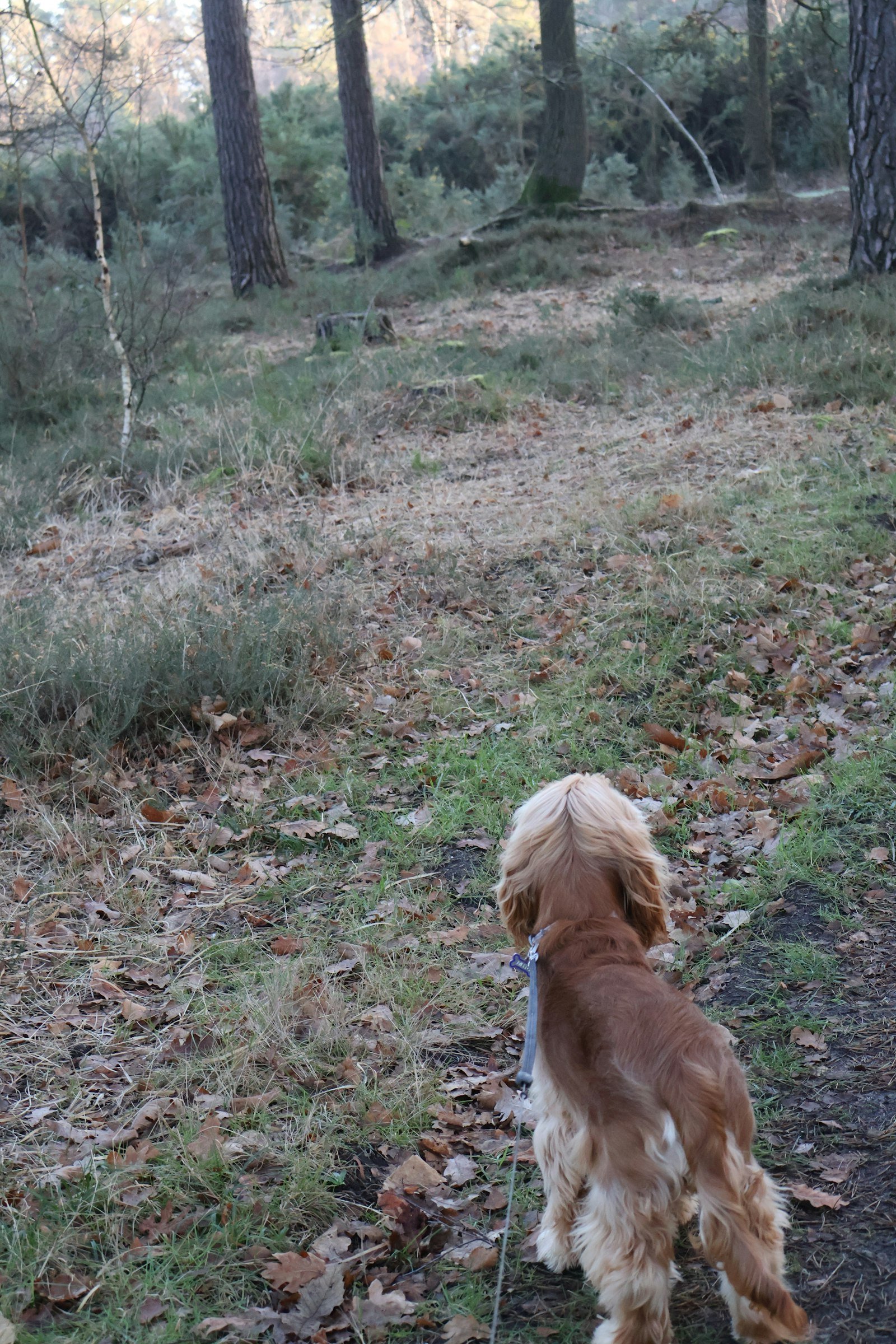
- Who it affects: any dog that walks through grass, woodland or moorland, in towns as well as the countryside.
- Urgency: routine to soon. Remove ticks promptly, and speak to your vet if your dog seems unwell afterwards.
- Vet needed? Not always. The PDSA says no vet visit is needed if the whole tick came out and nothing was left behind.
Signs to look for
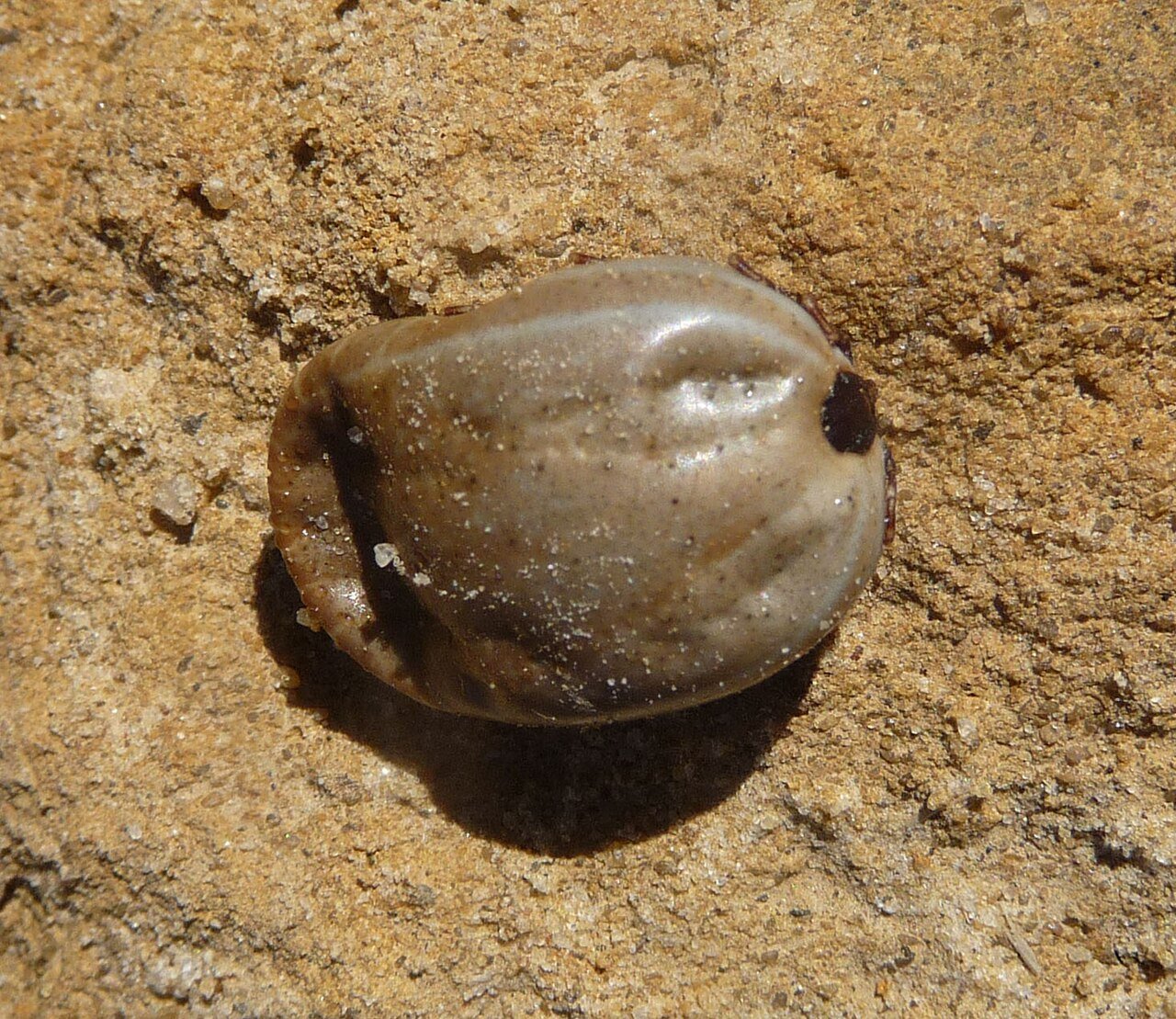
The PDSA describes ticks as round and shiny with a tiny head and a larger, flattened body. The PDSA says a newly attached tick is about the size of a pinhead and grows to roughly the size of a small pea as it feeds. They have eight legs and can be mistaken for skin tags or lumps. Favourite spots are the head, ears, armpits, groin and tummy, so run your hands over those areas after walks.
After a bite, the PDSA says to watch for redness, heat around the bite, lethargy or a reduced appetite (see our guide to dogs not eating enough). For Lyme disease specifically, the PDSA lists limping, stiffness, fever and lethargy, which can come and go, and notes dogs don’t get the bullseye rash people can.
Causes and risk factors
Ticks live in woodland, moorland, long grass and places with plenty of wildlife or farm animals, and are most active in warmer months (PDSA). ESCCAP, the European parasite control body, says most ticks on UK dogs are Ixodes species and that activity usually peaks twice, March to June and August to November.
In the University of Bristol’s Big Tick Project (results published in 2016), 14,711 dogs were checked at random during vet visits and 31% had a tick. Dogs were at risk in towns and the countryside alike, with the South West, Scotland and East Anglia highest risk. Of 56 dogs that had been abroad in the previous two weeks, 43 (76%) carried one of three tick species.
On disease risk, ESCCAP says Lyme infections are mostly subclinical, meaning dogs often show no signs (a general European rating). The 2016 Bristol release also reported babesiosis, a serious blood disease, in UK dogs that hadn’t travelled. That report is dated, so speak to your vet about current risk where you live.
When to call your vet
The PDSA says to contact a vet if part of the tick is left in the skin (often a black spot), if you see redness, swelling, heat or discharge at the bite, or if your dog seems unwell after a bite, especially if Lyme disease is a worry. Need a practice? Try our vets guide, or our sick dog symptoms guide.
How vets diagnose it
Ticks are diagnosed by finding them, so the main job is yours: check regularly. If your dog seems unwell after a bite, the PDSA advises contacting a vet. Your vet will explain any tests they need.
What vets generally do about it
Vets can remove a tick for you and check the area. For Lyme disease, the PDSA says mild cases can often be treated with antibiotics, while severe cases may need pain relief and fluids through a drip. Treatment can take several weeks and doesn’t always work in the most seriously affected dogs. Your vet decides what is right.
Living with it and prevention
The PDSA gives these steps to remove a tick:
- Slide a tick remover under the tick, as close to the skin as possible. Without one, use tweezers, holding the tick gently close to the skin.
- Twist in one direction until the tick loosens. Don’t pull upwards.
- Lift away slowly and dispose of the tick so it can’t attach to anyone else.
- Clean the area with warm salty water and watch your dog for signs of illness.
Never remove a tick by pulling, crushing or squeezing it, says the PDSA. ESCCAP adds that oil, alcohol or ether shouldn’t be used.
You can’t prevent ticks completely, but the PDSA suggests sticking to paths in warm months, checking after walks and using regular parasite control that covers ticks. If your dog has regular parasite treatment that covers ticks, the PDSA says attached ticks should die and drop off within 24 to 48 hours, but still remove any you see. Ask your vet which product suits your dog. ESCCAP says protection should cover the whole period ticks are active. Repeat treatments add up, so see our pet insurance guide.
Related conditions
Looking for the full A-Z? Head back to our dog illnesses and conditions hub.
Specialist help
The University of Bristol’s Big Tick Project was the largest study of ticks in dogs in the UK. Its 2016 press release points owners to a postcode-searchable tick distribution map on the Big Tick Project website (bigtickproject.co.uk). The study is old, so treat the map as a guide only.
Sources
- PDSA: Ticks on dogs
- PDSA: How to remove a tick from a dog or cat
- PDSA: Lyme disease in dogs
- ESCCAP: Guideline 3, control of ectoparasites in dogs and cats
- University of Bristol: Results of the Big Tick Project
Frequently Asked Questions
How do I remove a tick from my dog?
The PDSA says to slide a tick remover under the tick close to the skin, twist in one direction until it loosens, then lift away slowly. Never pull, crush or squeeze it. If you’re unsure, speak to your vet practice.
Do I need to see the vet after removing a tick?
Not if the whole tick came out and nothing was left behind, according to the PDSA. Speak to your vet if part remains, the bite is red, swollen or hot, or your dog seems unwell.
Can ticks jump onto my dog?
No. The PDSA says ticks don’t jump or fly. They crawl onto a dog on contact, for example by grabbing fur from a blade of grass.
When are ticks most active in the UK?
ESCCAP says activity typically peaks twice, from March to June and from August to November. The PDSA says ticks are most common in warm weather. Speak to your vet about protection for your dog.
This page is general information, not veterinary advice. If you are worried about your dog, speak to your vet. Written by Georgiana & Figo, who are dog owners, not vets. Have a look around Calmshops for everyday dog essentials.


