

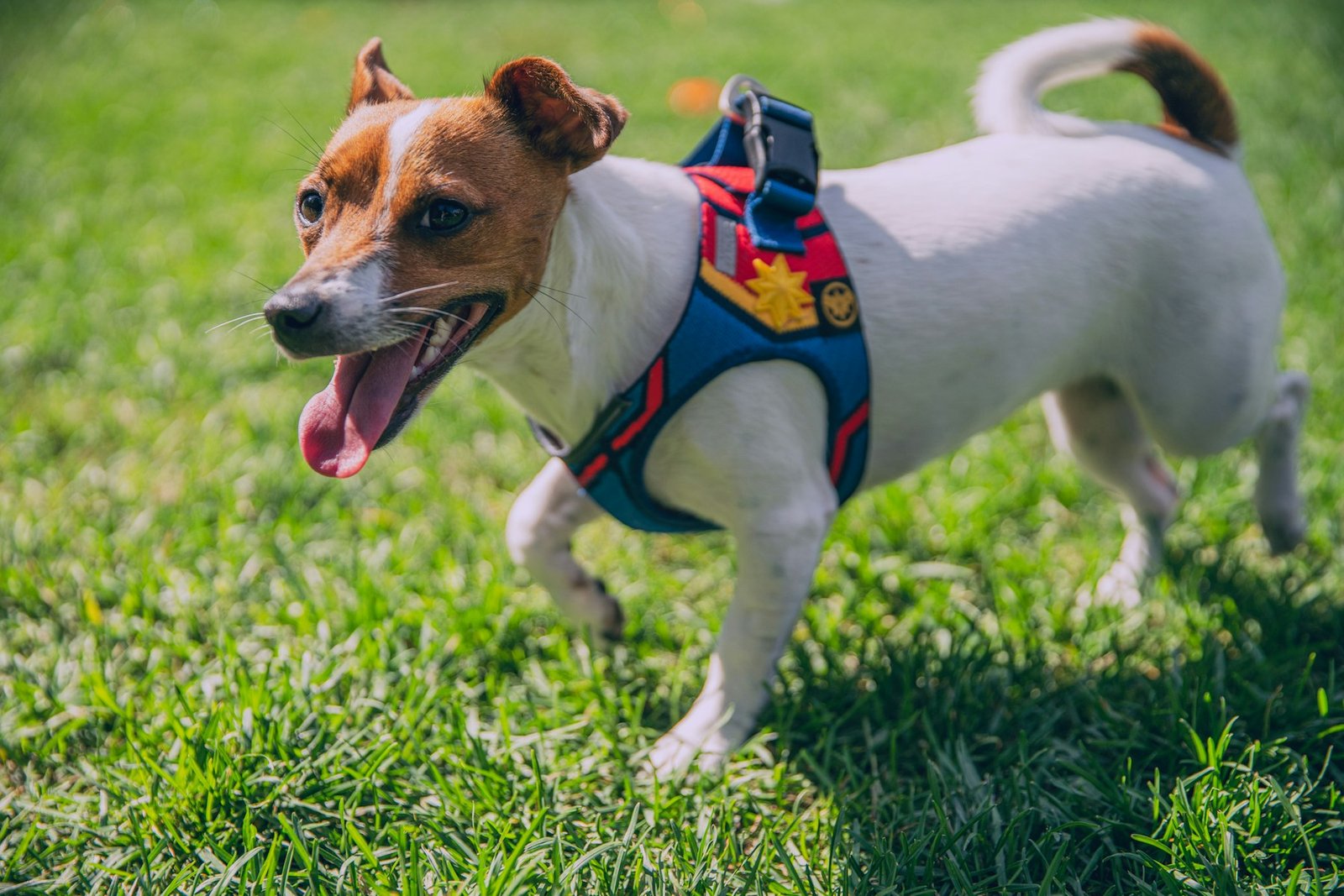
Worms in dogs are parasites that live inside a dog’s body, most often in the gut, and the main types in the UK are roundworm, tapeworm and lungworm. The PDSA says roundworm is rarely serious in adult dogs but can be dangerous for puppies, while lungworm is potentially fatal. Speak to your vet about which worms your dog needs protection against.
At a glance
- What it is: parasitic worms living in the gut (roundworm, tapeworm) or, for lungworm, the lungs and other parts of the body (it can travel around the whole body, including the heart).
- Who it affects: any dog. Puppies are most at risk from roundworm.
- Urgency: routine for regular worming, but an appointment if your dog seems unwell, and straight away if you suspect lungworm.
- Vet needed? Yes, for advice on the right product and for any unwell dog.
Signs to look for
The PDSA lists these by type:
- Roundworm: weight loss, diarrhoea, vomiting, poor growth in puppies, a pot-belly or bloating, and in severe cases a life-threatening gut blockage.
- Tapeworm: scooting, licking the bottom a lot, weight loss, and itchy skin if fleas are also present.
- Lungworm: the PDSA’s lungworm page lists coughing, fast, heavy or noisy breathing, weight loss, unexplained bruising or bleeding, seizures, collapse and blindness.
The RSPCA adds that a dog can look healthy and still be infected.
Causes and risk factors
How dogs catch worms depends on the type:
- Roundworm: puppies can be born with it or get it through their mother’s milk. Adults pick it up from soil, poo, raw meat, carcasses or contaminated objects.
- Tapeworm: most often from swallowing fleas while grooming, and also from raw meat, rats and mice or carcasses. See fleas on dogs.
- Lungworm: from eating slugs or snails carrying the parasite, often by accident while grazing on grass or drinking outdoors. Our guide to lungworm in dogs has more.
The PDSA lists poo as a roundworm source, so if your dog eats it, see our page on poo-eating.
When to call your vet
The PDSA says to call your practice for advice if your dog is healthy and only needs a wormer, and to request an appointment if he seems unwell. If you suspect lungworm, the PDSA says to contact your vet immediately. Need a practice? Try our vets guide, or our sick dog symptoms page.
- 1. Notice
Weight loss, diarrhoea, scooting, or a pot-belly. - 2. Speak to your vet
Routine for worming advice. Appointment if unwell. Straight away if you suspect lungworm. - 3. Vet examines
You may take a poo sample or photo; poo tests can help find some worms. - 4. Options
Treatment options your vet may discuss: which worms to treat, prescription wormers. - 5. Ongoing care
Regular worming and flea control, and picking up poo promptly.
How vets diagnose it
The PDSA advises taking a poo sample or a photo to the vet if your dog seems unwell. An article summarised by RCVS Knowledge says testing poo for roundworm is recommended four times a year by ESCCAP, that quick poo antigen tests exist for lungworm, and that poo tests are poor at finding tapeworm, so treatment stays central for that one.
What vets generally do about it
The PDSA says to ask your vet which worms to treat, based on your dog’s age, lifestyle and location, and that prescription wormers are the most reliable option. For lungworm, the PDSA says the vet treats the dog and monitors closely, because killing many worms at once can cause a dangerous allergic reaction. Treatment and dosing depend on your dog’s age and weight, so this is for your vet to decide.
Living with it and prevention
The PDSA advises regular worming and flea control, and the RSPCA adds picking up poo promptly and washing hands after handling pets. The sources differ on timing. The PDSA says puppies are wormed from around three weeks old, repeating every two to three weeks until 16 weeks, while the RSPCA’s leaflet (copyright 2017) says to start at two weeks old and treat for roundworm usually every two weeks. Both say adults usually need treatment every one to three months. ESCCAP’s 2025 seventh edition instead calls for tailored, risk-based plans, so ask your vet what suits your dog’s lifestyle. Roundworm eggs can infect people (toxocariasis), young children most of all, though the RSPCA describes cases as rare.
Related conditions
- Lungworm in dogs
- Fleas on dogs
- Giardia in dogs, another gut parasite
- Diarrhoea in dogs
- Vomiting in dogs
- Back to the dog illnesses and conditions A-Z
Specialist help
ESCCAP (the European Scientific Counsel Companion Animal Parasites) publishes free guidelines on worm control. Its Guideline 01 covers worm control in dogs and cats, and ESCCAP’s announcement of the seventh edition (June 2025) says it recommends tailored, risk-based plans.
Sources
- PDSA, Worms in dogs
- PDSA, Lungworm in dogs
- RSPCA, Get worm wise (leaflet, copyright 2017)
- RCVS Knowledge, Routine worming: is it time to change your routine? (summary of Wright, The Veterinary Nurse, 2025)
- ESCCAP, Guideline 01: Worm Control in Dogs and Cats
- ESCCAP, 7th Edition of Guideline 01: Worm Control in Dogs and Cats
Frequently Asked Questions
How often should I worm my dog?
The PDSA and RSPCA say adults usually need treatment every one to three months, and puppies more often. ESCCAP favours tailored, risk-based plans, so speak to your vet about what suits your dog.
Can humans catch worms from dogs?
Roundworm eggs can infect people, causing toxocariasis, and young children are most at risk. The PDSA says certain dog tapeworms can also infect people, but this is rare. Picking up poo and washing hands help.
What do tapeworms look like in dog poo?
The PDSA says tapeworm segments can look like grains of rice. Dogs may also scoot or lick their bottoms. Speak to your vet, who can advise on the right treatment.
Do home remedies work for dog worms?
The PDSA says home remedies are very unlikely to work and recommends asking your vet which wormer is right for your dog.
This page is general information, not veterinary advice. If you are worried about your dog, speak to your vet. Written by Georgiana & Figo, who are dog owners, not vets. Have a look around Calmshops for everyday dog essentials.