
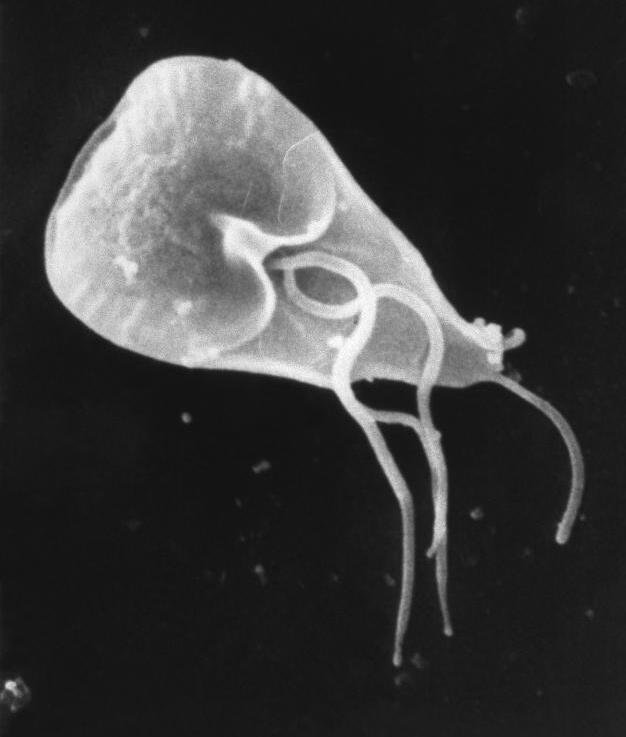
Giardia is a tiny parasite that lives in the lining of the intestines and can cause severe, watery diarrhoea in dogs. Plenty of dogs carry it without any signs at all, but it can make puppies, older dogs and poorly dogs properly unwell, so the headline message is to speak to your vet about any diarrhoea that hangs around.
At a glance
- What it is: a microscopic gut parasite, passed on through infected poo.
- Who it affects: any dog. Infection is much more common in animals under a year old, and it is often found where many animals live together, such as kennels and rescue centres.
- Urgency: soon. Book promptly if your dog is very young, old or seems unwell.
- Vet needed? Yes, to confirm it and decide on treatment.
Signs to look for
The PDSA lists:
The European parasite experts at ESCCAP say infection is often “subclinical”, meaning there are no signs, and that signs are more likely in stressed or immunocompromised animals, and in young animals after weaning or rehoming. They describe the diarrhoea as chronic or intermittent, pasty and mucus-rich.
Causes and risk factors
The PDSA’s core explanation is that Giardia spreads by infected poo. Dogs can pick it up from contaminated water, food or surroundings, or from other infected dogs, and the PDSA says the parasite can survive in the environment for months after the poo has gone. ESCCAP’s 2025 guideline adds that only a few cysts (the tough, resting form of the parasite) are needed to cause infection, that cysts can survive for months but are sensitive to drying, and that prevalence in European dogs and cats is roughly 3 to 7%, much higher in animals under a year old. Because dogs sniff and sometimes eat poo, the guideline also notes that cysts can pass through a dog that has eaten them, which is one more reason to read our guide on dogs that eat poo.
When to call your vet
The PDSA says to contact a vet if you suspect Giardia or your dog has been in contact with an infected dog. Book promptly if diarrhoea lasts more than 2 to 3 days, keeps coming and going for 2 weeks or more, comes with other health problems, or happens in a young puppy, an elderly dog or a dog already on medication. The PDSA warns that diarrhoea left too long can lead to dehydration. Ring your own practice, or use our vets guide if you need one. Giardia is one of several causes of gastroenteritis, and our sick dog symptoms page may help you judge urgency.
- 1. Notice
Strong-smelling, watery diarrhoea that hangs around - 2. Speak to your vet
Book promptly if your dog is very young, old or unwell - 3. Vet examines
Usually a poo sample is checked in a lab - 4. Options
Treatment options your vet may discuss: prescribed medication, fluids if severe - 5. Ongoing care
Pick up poo promptly and wash hands and bowls
How vets diagnose it
The PDSA says your vet is likely to ask for a poo sample, so collecting one before the appointment can help. ESCCAP explains that labs can look for cysts under the microscope, test for a Giardia protein in the poo, or use DNA-based tests. Because shedding comes and goes, the guideline says looking at three samples over 3 to 5 days improves the chance of finding it. ESCCAP also points out that many healthy dogs test positive, so the vet reads the result alongside your dog’s signs.
What vets generally do about it
The PDSA says vets may prescribe worming treatment and/or antibiotics, that many dogs need more than one course, and that severely affected dogs may need intensive care with fluids and injectable medication. Treatment decisions are your vet’s. ESCCAP’s guideline says dogs with signs and a positive test should be treated, while treating healthy dogs that merely test positive is generally not advised unless there is a particular risk, such as a kennel, a breeding set-up, or a household with small children or someone with a weakened immune system. The aim is to settle the signs, and reinfection is common, so a follow-up test may be suggested.
Living with it and prevention
The PDSA says diarrhoea should improve a couple of weeks after treatment, and that long-term problems are uncommon afterwards. Hygiene matters:
- pick up and bin poo promptly
- wash your hands after clearing up or handling a dog with diarrhoea (PDSA)
- clean and dry the dog’s bedding and surroundings, and wash food and water bowls daily (ESCCAP)
- ask your vet whether a dog with Giardia should be kept apart from other dogs, as ESCCAP says dogs with diarrhoea and carriers should be quarantined and properly diagnosed
On people, the PDSA says humans can catch Giardia. ESCCAP says humans are rarely infected by dog-specific types, but human types can circulate in pets, so if family members and pets are both unwell, speak to your own doctor as well as your vet.
Related conditions
Browse the rest of the dog illnesses and conditions A to Z.
Specialist help
ESCCAP (European Scientific Counsel Companion Animal Parasites) publishes independent parasite guidance for vets and owners, including its guideline on intestinal protozoa. It is written for vets, so use it to understand what your vet is doing, not to treat your dog yourself.
Sources
- PDSA, Giardia in dogs
- ESCCAP, Guideline 06 (third edition, March 2025): Control of intestinal protozoa in dogs and cats
Frequently Asked Questions
What is giardia in dogs?
It is a small parasite that infects the lining of the intestines and can cause severe, watery, strong-smelling diarrhoea. Many infected dogs show no signs. Speak to your vet if diarrhoea lasts.
How do dogs catch giardia?
By swallowing the parasite from infected poo, which can be in contaminated water, food, the environment or from another infected dog. The PDSA says it can survive in the environment for months.
Can humans catch giardia from dogs?
The PDSA says humans can catch giardia, so wash your hands after handling poo. ESCCAP says humans are rarely infected by dog-specific types, though human types can circulate in pets. If you feel unwell, see your GP.
Does giardia always need treatment?
Not always. ESCCAP says dogs with signs should be treated, but healthy dogs that simply test positive generally should not, except in certain higher-risk settings. Your vet will decide.
This page is general information, not veterinary advice. If you are worried about your dog, speak to your vet. Written by Georgiana & Figo, who are dog owners, not vets. Have a look around Calmshops for everyday dog essentials.