
Liver disease in dogs is any condition that stops the liver doing its many jobs, which include helping digest food, storing vitamins and minerals and removing toxins from the body, according to the PDSA. The early signs are easy to mistake for an upset tummy, so if something seems off, speak to your vet rather than waiting it out.
At a glance
- What it is: a group of conditions that damage or disrupt the liver, from inflammation to cancer to problems present from birth.
- Who it affects: dogs of any age; some causes, such as cancer, are most common in older dogs.
- Urgency: speak to your vet if you suspect it; emergency if your dog is fitting or seriously ill.
- Vet needed? Yes. Only a vet can find the cause and decide on treatment.
Signs to look for
The PDSA lists the early signs as lethargy, weight loss, eating less, drinking less or more than usual, vomiting and diarrhoea. That list is the problem: nearly every illness looks like this at first. If you’ve noticed your dog is eating less than usual, or you’re not sure how worried to be, our sick dog symptoms guide can help you decide how quickly to call.
More serious signs, again from the PDSA, include:
- jaundice (a yellow or pale tinge to the gums, skin or eyes)
- seizures, unsteadiness or head pressing
- fever
- small red dots or bruising, which can mean blood isn’t clotting properly
- bloody vomit or diarrhoea
- a painful or bloated belly
Causes and risk factors
There isn’t one cause. The PDSA describes several groups:
- Hepatitis (inflammation of the liver), which can follow infections such as leptospirosis and infectious canine hepatitis, immune problems, or conditions such as pancreatitis and inflammatory bowel disease.
- Cancer, most common in dogs over 10, either starting in the liver or spreading from elsewhere (cancer in dogs has its own page).
- Toxins, including xylitol, blue-green algae, mouldy food and some mushrooms and plants. See our page on poisoning in dogs.
- Medicines, such as high doses of paracetamol, certain antibiotics and some anti-epilepsy drugs. It is worth speaking to your vet before giving your dog any medicine.
- Sepsis (a severe blood infection) and problems present from birth, such as portosystemic shunts, where abnormal blood vessels bypass the liver.
When to call your vet
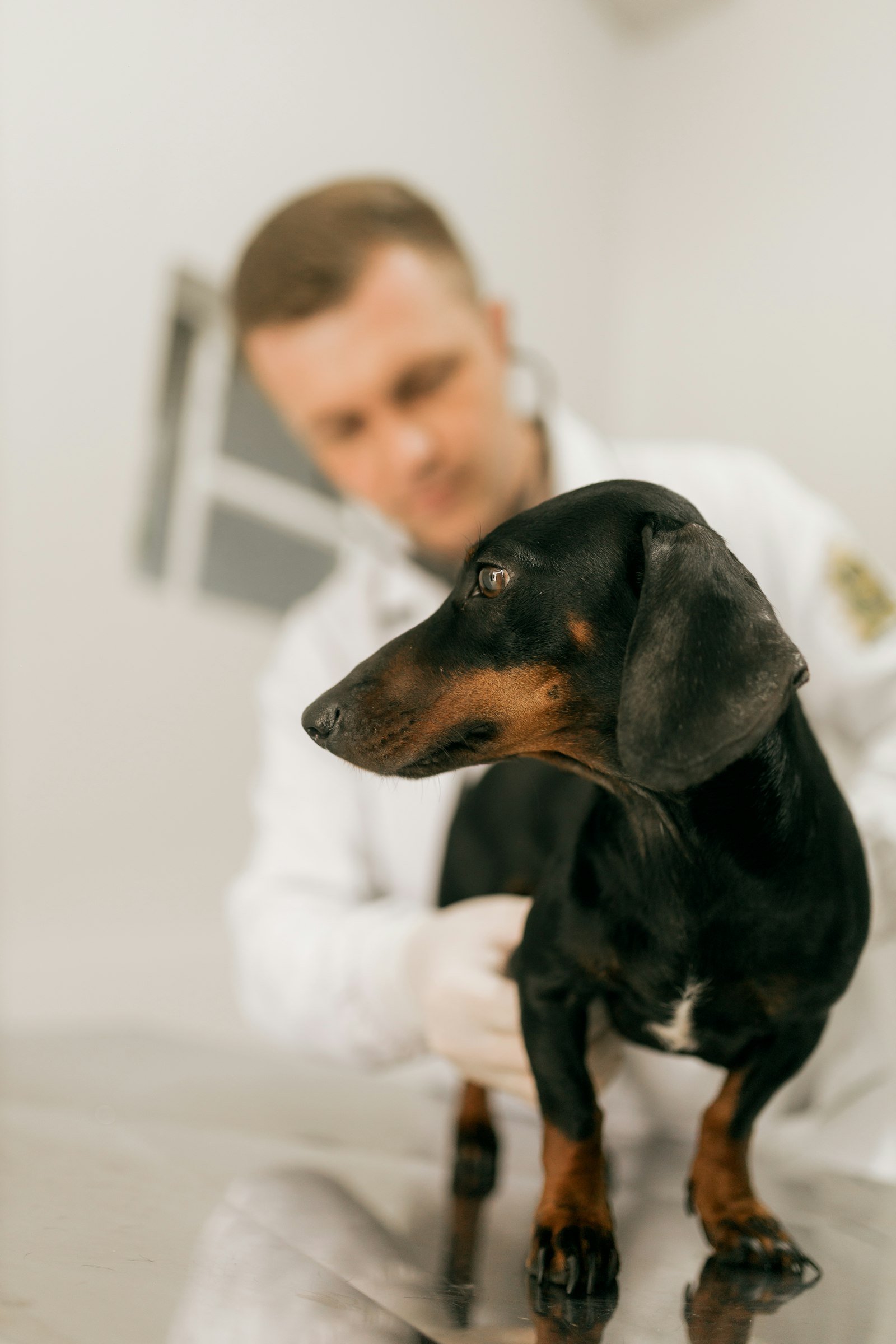
Speak to your vet if you suspect liver disease. The PDSA lists yellow or pale gums, skin or eyes (jaundice) among the more serious signs, so mention it if you see it. The PDSA says that if a dog is fitting or seriously ill, you should give first aid while you contact your vet as soon as possible for an emergency appointment. If you need a practice, our vets database is a good place to start.
- 1. Notice
Lethargy, eating less, vomiting or yellow gums - 2. Speak to your vet
Speak to your vet if you suspect it. Emergency: contact your vet or an emergency vet straight away if your dog is fitting or seriously ill - 3. Vet examines
Blood and urine tests, ultrasound, X-rays, sometimes a biopsy - 4. Options
Treatment options your vet may discuss: depends on the cause - 5. Ongoing care
Stick to your vet’s plan: food, medicines and rechecks
How vets diagnose it
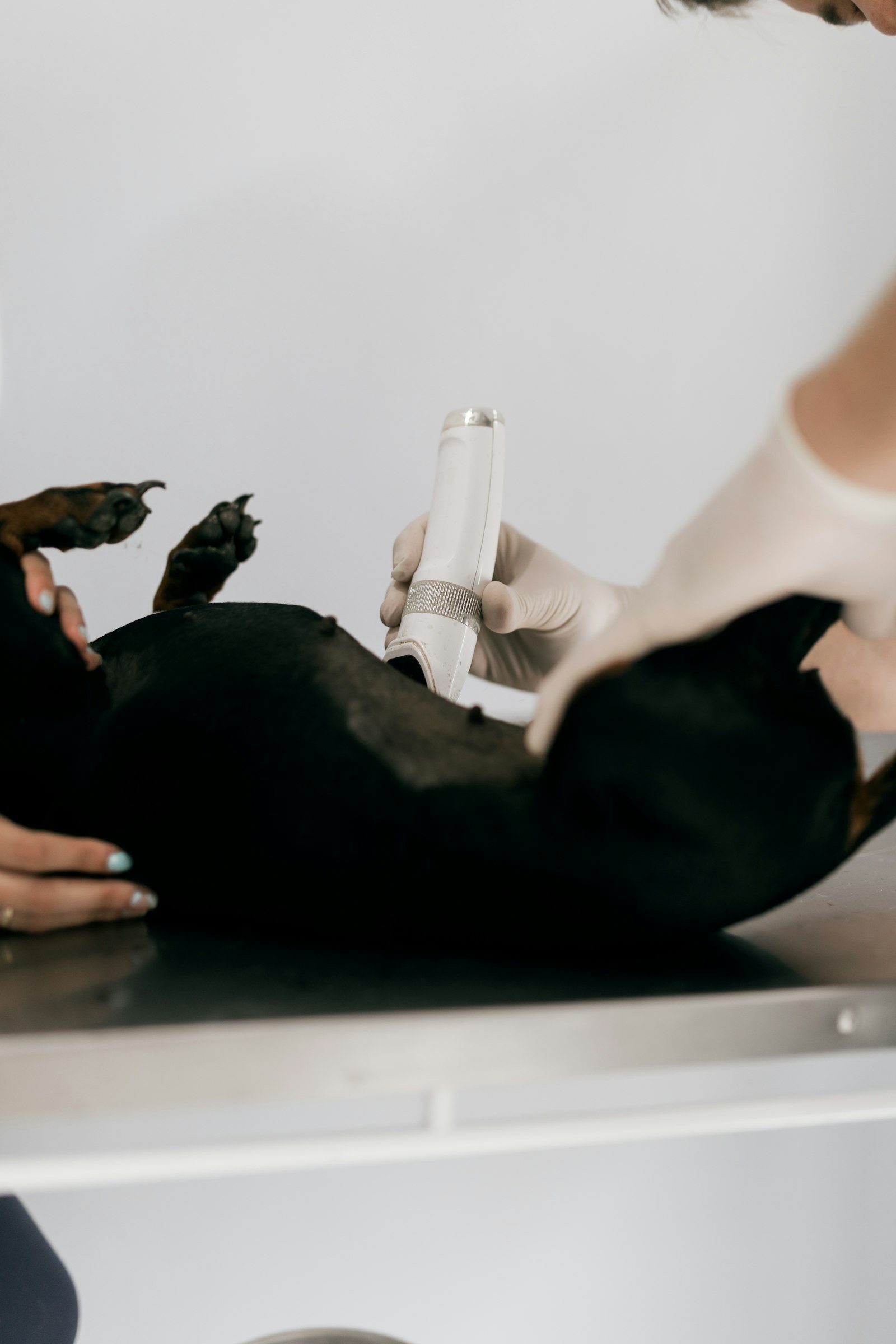
Treatment depends on the cause, so finding it is the main job. The PDSA says vets may use blood tests for liver markers, urine tests, ultrasound, X-rays and sometimes a liver biopsy, taken with a needle during an ultrasound scan or during surgery. A seriously ill dog may be put on a drip and given medication while the results come back.
What vets generally do about it
The PDSA says treatment depends on the cause and is for your vet to decide. It also notes the liver is very good at repairing itself, so treatable problems may recover fully once the cause is dealt with.
Your vet may suggest a specialist liver diet, which the PDSA describes as easy to digest with added vitamins and minerals. Whether any diet or other support is right depends on your dog, so please don’t start anything yourself.
Living with it and prevention
Once your vet has given a plan, the everyday job is sticking to it: the right food, the right medicines and the rechecks. If you are wondering about changing your dog’s food or adding anything to it, speak to your vet first.
The PDSA says you can prevent leptospirosis and infectious hepatitis with vaccination (puppy vaccines, then boosters through life) and by keeping dogs away from toxins. Treatment can be costly, especially for emergencies or referrals, so it is worth reading our pet insurance guide before you need it.
Related conditions
- Leptospirosis in dogs
- Infectious canine hepatitis
- Pancreatitis in dogs
- Vomiting in dogs
- Epilepsy in dogs
- Poisoning in dogs
You can browse every condition in the dog illnesses and conditions A to Z.
Sources
Frequently Asked Questions
What are the first signs of liver disease in dogs?
The PDSA lists lethargy, weight loss, eating less, drinking less or more, vomiting and diarrhoea. These are common to many illnesses, so speak to your vet if they last or you are worried.
Can a dog recover from liver disease?
Sometimes. The PDSA says the liver can often repair itself, so treatable problems may recover fully, but severe or untreated disease can progress to liver failure. Your vet can tell you what to expect for your dog.
What causes liver problems in dogs?
Causes include infections, immune problems, cancer, toxins such as xylitol and blue-green algae, some medicines, sepsis and conditions present from birth such as portosystemic shunts. Only a vet can work out which applies.
Is liver disease an emergency?
It can be. The PDSA says a dog that is fitting or seriously ill needs an emergency appointment. For anything less urgent, such as yellow gums, skin or eyes, speak to your vet as soon as you can.
This page is general information, not veterinary advice. If you are worried about your dog, speak to your vet. Written by Georgiana & Figo, who are dog owners, not vets. Have a look around Calmshops for everyday dog essentials.