

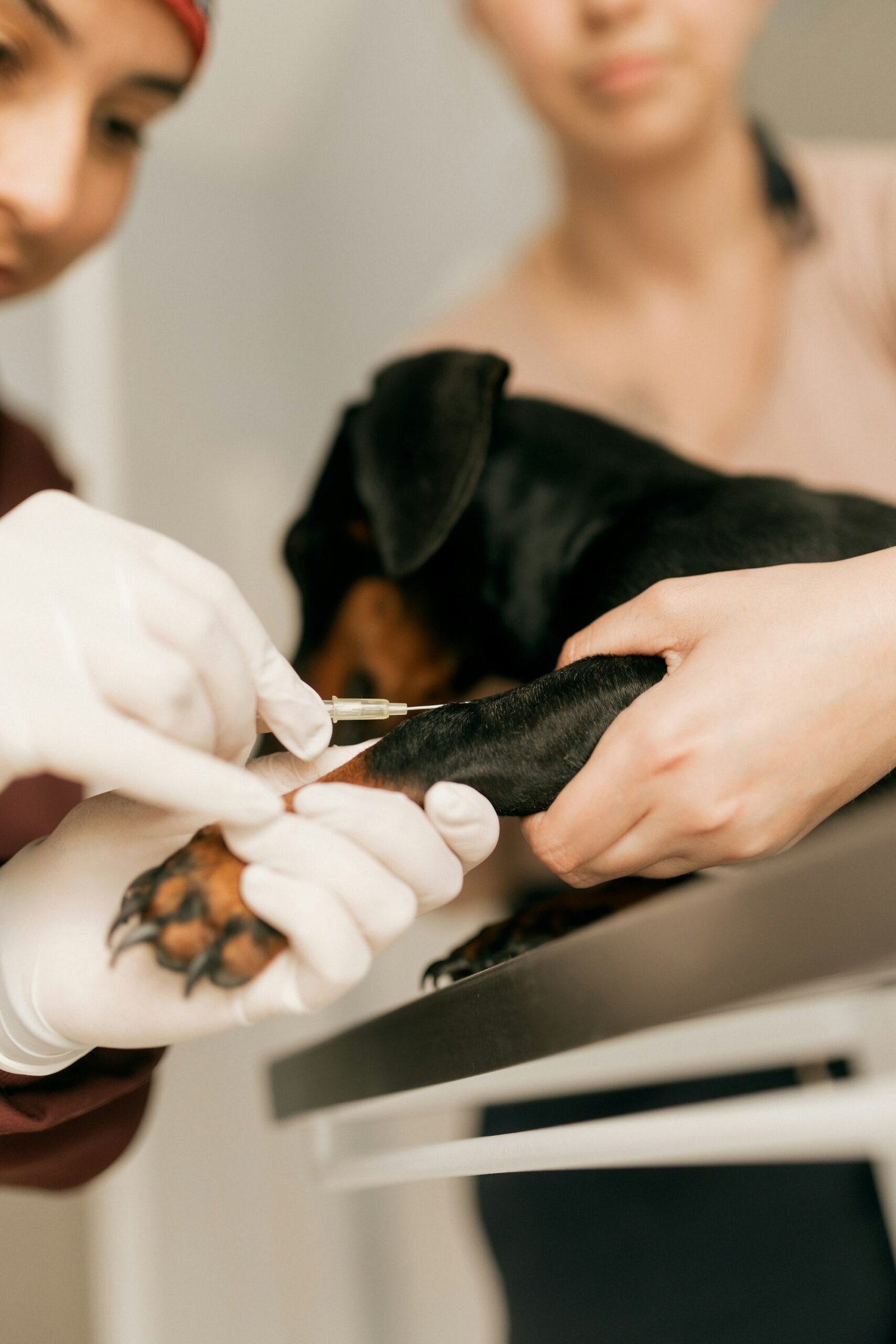
Infectious canine hepatitis, also called canine adenovirus or Rubarth’s disease, is a virus that attacks the liver, blood vessels, immune system, kidneys, eyes, lungs and heart. Young, unvaccinated dogs are most at risk, and a UK study describes it as relatively uncommon where vaccination is routine. If your dog is unwell, particularly a puppy or a dog that is not vaccinated, speak to your vet.
At a glance
- What it is: a viral infection (canine adenovirus type 1) that can damage the liver and several other organs.
- Who it affects: young, unvaccinated dogs are most at risk, says the PDSA.
- Urgency: contact your vet if your dog shows any of the signs below, especially a young or unvaccinated dog, says the PDSA.
- Vet needed? Yes. The PDSA says there is no specific medicine for the virus, so dogs need veterinary supportive care.
Signs to look for
The PDSA says mild cases may only last a few days, with low energy, reduced appetite, drinking less, coughing, vomiting and diarrhoea. Severe cases can bring pale or yellow gums, a fever, small red spots or bruises on the gums or skin, bloody vomit or diarrhoea, a painful or swollen belly, unsteadiness or seizures. The PDSA also lists sudden death, and cloudy blue eyes appearing after infection.
Many of these signs are shared with other illnesses, such as parvovirus, leptospirosis and general liver disease, which is one more reason only a vet can tell what is going on.
Causes and risk factors
The PDSA says the virus spreads through urine, faeces and saliva. Most dogs catch it from an infected dog or from a place an infected dog has been, and the virus can survive in the environment for months. Recovered dogs can keep passing it on, shedding virus in urine for 6 to 9 months.
A peer-reviewed UK study of red foxes (Walker and colleagues, 2016, Scientific Reports) found the virus (CAV-1) in the tissues of 18.8% of 154 foxes tested, and concluded that the red fox is likely to be a significant wildlife reservoir in the UK. The authors also describe the disease as relatively uncommon in dogs where vaccination is routine. The study used largely convenience sampling, so treat the figures as a guide rather than a national picture.
The PDSA also notes that puppies who have had only their first injection are not yet protected, and that they can go out and meet other dogs one to two weeks after finishing their first vaccination course.
When to call your vet
The PDSA says to contact your vet if your dog shows any of these signs, especially if young or unvaccinated, and that if you are worried but the signs do not match, it is still best to ring. Pale or yellow gums, bloody vomit or diarrhoea, and seizures are on the PDSA’s list of signs in severe cases, so speak to your vet as soon as possible if you see them. If you need a practice, try our vets database. Our sick dog symptoms guide may also help you decide how quickly to call.
- 1. Notice
Low energy, reduced appetite, vomiting or diarrhoea - 2. Speak to your vet
Contact your vet if signs appear, especially in a young or unvaccinated dog - 3. Vet examines
Blood tests and an ultrasound scan may be used - 4. Options
Treatment options your vet may discuss: supportive care such as fluids and nursing - 5. Ongoing care
Regular vaccination is the main protection; ask how to keep other dogs safe
How vets diagnose it
According to the PDSA, vets may suspect infectious hepatitis in an unvaccinated dog with these signs, and may use blood tests and an ultrasound scan to confirm it.
What vets generally do about it
The PDSA says there is no specific medicine and antibiotics do not work on a virus, so care is supportive. That may include intensive nursing in a veterinary hospital, isolated from other dogs, tube feeding, a drip for fluids, and in some cases an emergency blood transfusion, plus anti-sickness or anti-seizure medication depending on signs. Mild cases have a good chance of survival with rapid treatment, while severe cases are much less likely to survive. What your dog needs is for your vet to decide.
Living with it and prevention
The PDSA says regular vaccination is the main protection. The BSAVA lists canine adenovirus (infectious canine hepatitis) as one of four core vaccines for UK dogs, alongside distemper, parvovirus and leptospirosis. It says a primary course usually means at least two doses given 2 to 5 weeks apart, and that for authorised UK products the hepatitis component is revaccinated at least every 3 years. Products differ, so your vet will set the plan for your dog. Because recovered dogs can shed the virus for months, ask your vet how to keep other dogs safe. Treatment in hospital can be costly, so it is worth reading our pet insurance guide before you need it.
Related conditions
You can browse the full list on our dog illnesses and conditions A-Z.
Sources
- PDSA: Infectious hepatitis (adenovirus) in dogs
- BSAVA: Position statement on vaccination
- Walker et al. (2016), Scientific Reports: Serological and molecular epidemiology of canine adenovirus type 1 in red foxes (Vulpes vulpes) in the United Kingdom
Frequently Asked Questions
How do dogs catch infectious canine hepatitis?
The PDSA says the virus spreads through urine, faeces and saliva, usually from an infected dog or somewhere an infected dog has been. It can survive in the environment for months.
Is there a treatment for infectious canine hepatitis?
The PDSA says there is no specific medicine for the virus, and antibiotics do not work against it. Vets give supportive care such as fluids, nursing and sometimes tube feeding, so speak to your vet straight away if your dog is unwell.
Can vaccinated dogs get infectious canine hepatitis?
The PDSA says young, unvaccinated dogs are most at risk and that regular vaccination is the main protection. Ask your vet about your own dog’s vaccination schedule.
Can a dog that has recovered infect other dogs?
Yes. The PDSA says recovered dogs may shed the virus in their urine for 6 to 9 months, so speak to your vet about keeping other dogs safe.
This page is general information, not veterinary advice. If you are worried about your dog, speak to your vet. Written by Georgiana & Figo, who are dog owners, not vets. Have a look around Calmshops for everyday dog essentials.