


Arthritis in dogs, also called osteoarthritis, is a long-term condition where the joints become stiff, painful and sometimes swollen because the smooth surfaces inside them wear and become uneven. It usually creeps in slowly, and the PDSA says it can’t be cured, though treatment can slow it down and keep pain under control.
It is easy to put a slower, stiffer dog down to “just getting older”. If that sounds familiar, speak to your vet, because there is usually something that can help.
At a glance
- What it is: a progressive joint condition (it slowly gets worse) that causes pain and stiffness.
- Who it affects: dogs of any breed, but most often dogs with worn or previously injured joints, and those with joint conditions such as hip dysplasia or elbow dysplasia.
- Urgency: soon. Book a check-up when you notice a change, and tell your vet if pain seems to be getting worse.
- Vet needed? Yes, for diagnosis and a pain-control plan.
Signs to look for
The PDSA and Blue Cross describe a similar list. Signs often come on gradually:
- Stiffness, especially after resting or after a walk, or on waking
- Limping or lameness
- Slowing down on walks, or being less keen to play
- Reluctance to jump or use stairs
- Groaning or being cautious when lying down or getting up
- Being quiet, grumpy or sleeping more
- Muscle loss in the back legs, or swollen joints
- Licking or chewing at a sore spot, or not wanting to be touched near a joint
Causes and risk factors
Blue Cross lists wear and tear (mainly in older dogs), injuries such as ligament damage or broken bones, and hip and elbow dysplasia (joints that grew with an abnormal shape). It also mentions joint problems linked to too little or too much exercise during puppyhood.
The PDSA names Labradors, Springer Spaniels, German Shepherds, Golden Retrievers, Rottweilers and Bernese Mountain Dogs as breeds with a higher risk, mostly because of hip and elbow problems. A torn cruciate ligament or a slipping kneecap can also damage a joint over time, so mention any past injuries to your vet.
When to call your vet
Arthritis isn’t described as an emergency by the sources we read, but it shouldn’t be left. Both the PDSA and Blue Cross advise booking a vet check-up if you notice any of the signs above. Speak to your vet again if pain seems to be increasing or the treatment seems to be working less well, because medication can be adjusted. If you don’t have a regular practice, our guide to finding a vet may help. Unsure how urgent it is? Our sick dog symptoms guide may help.
- 1. Notice
Stiffness, limping or slowing down on walks - 2. Speak to your vet
Book a vet check-up when you notice a change - 3. Vet examines
Your dog’s history and a hands-on exam; X-rays or scans may be used - 4. Options
Treatment options your vet may discuss: pain relief, weight management, physiotherapy - 5. Ongoing care
Short, regular walks, a supportive bed and non-slip floors
How vets diagnose it
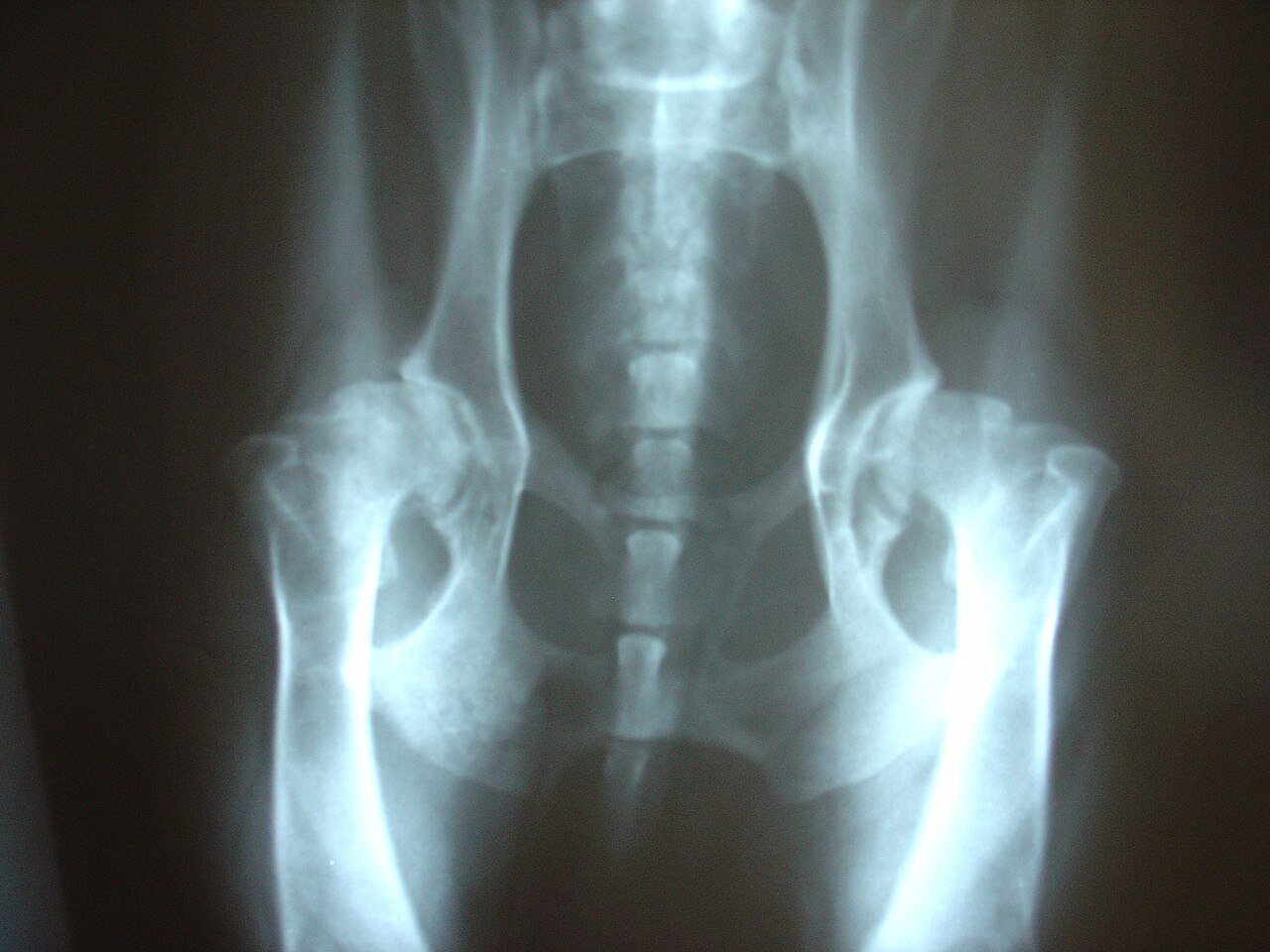
Blue Cross says a vet usually diagnoses arthritis from your dog’s history and a hands-on examination, checking for stiffness, pain and swelling. X-rays or other scans may be used to look for the underlying cause, especially in younger dogs or if joint surgery is being considered.
What vets generally do about it
Treatment is decided by your vet, based on your dog. In general, the PDSA and Blue Cross describe:
- Pain relief and anti-inflammatories, given daily or in courses, or as a regular injection.
- Weight management. Blue Cross calls weight control the most important step, as extra weight puts more strain on sore joints. See our page on obesity in dogs.
- Physiotherapy and hydrotherapy (exercise in water), which puts less strain on joints.
- Joint supplements, which the PDSA says are not a replacement for medication and don’t work for every dog. Quality varies, so ask your vet which, if any, to use.
- Surgery for severe pain that can’t be controlled. The PDSA says this can include joint fusion or replacement, often at specialist hospitals, while Blue Cross says surgery is generally not helpful for most arthritic dogs.
Living with it and prevention
Once your vet has advised, everyday life matters a lot. The PDSA and Blue Cross suggest:
- Short, regular walks rather than one long one, with rest breaks and no sudden jumps in activity. Avoid ball chasing, skidding and sharp turns.
- A supportive bed, warmth in cold weather, and drying your dog after wet walks.
- Rugs or non-slip mats on slippery floors, and a ramp or a helping hand for stairs and the car.
On prevention, Blue Cross says age-related arthritis can’t be fully prevented, but a healthy weight and regular exercise can reduce the risk and slow symptoms. Blue Cross says good breeding practices can reduce the risk of hip dysplasia, which can cause arthritis, with potential parents’ hips and elbows X-rayed and scored by a panel of experts. The PDSA adds that screening schemes are in place for some breeds. The PDSA says most dogs can live comfortably for years if the condition is well controlled. Treatment can be costly, so it is worth reading our pet insurance guide and our piece on how long dogs live.
Related conditions
- Hip dysplasia
- Elbow dysplasia
- Cruciate ligament disease
- Luxating patella
- Intervertebral disc disease (IVDD)
- Obesity
Browse the full A-Z of dog illnesses and conditions.
Specialist help
Canine Arthritis Management (CAM) describes itself as free, trusted help for owners of dogs with arthritis, led by vets. The PDSA calls it a website full of information and support for owners. Some extras sit behind a paid membership, so ask your vet which parts are most relevant to your dog.
Sources
- PDSA: Arthritis in dogs
- Blue Cross: Arthritis in dogs
- Canine Arthritis Management: Home for pet guardians
Frequently Asked Questions
Can arthritis in dogs be cured?
No. The PDSA and Blue Cross both say there is no cure, but pain can often be controlled for a long time with the right plan. Speak to your vet about what suits your dog.
Is my dog slowing down because of age or arthritis?
You can’t tell from the outside, and slowing down is one of the common signs of arthritis. Blue Cross advises booking a vet check-up if you notice a change in behaviour, so speak to your vet rather than assuming it is age.
Should a dog with arthritis still go for walks?
Usually yes, but adjusted. The PDSA and Blue Cross suggest short, regular walks instead of long ones, avoiding sudden increases in activity, ball chasing and skidding. Your vet can tell you what is right for your dog.
Do joint supplements work for arthritis in dogs?
The PDSA says joint supplements are not a replacement for medication, do not work for every dog and vary in quality, so ask your vet before choosing one.
This page is general information, not veterinary advice. If you are worried about your dog, speak to your vet. Written by Georgiana & Figo, who are dog owners, not vets. Have a look around Calmshops for everyday dog essentials.