

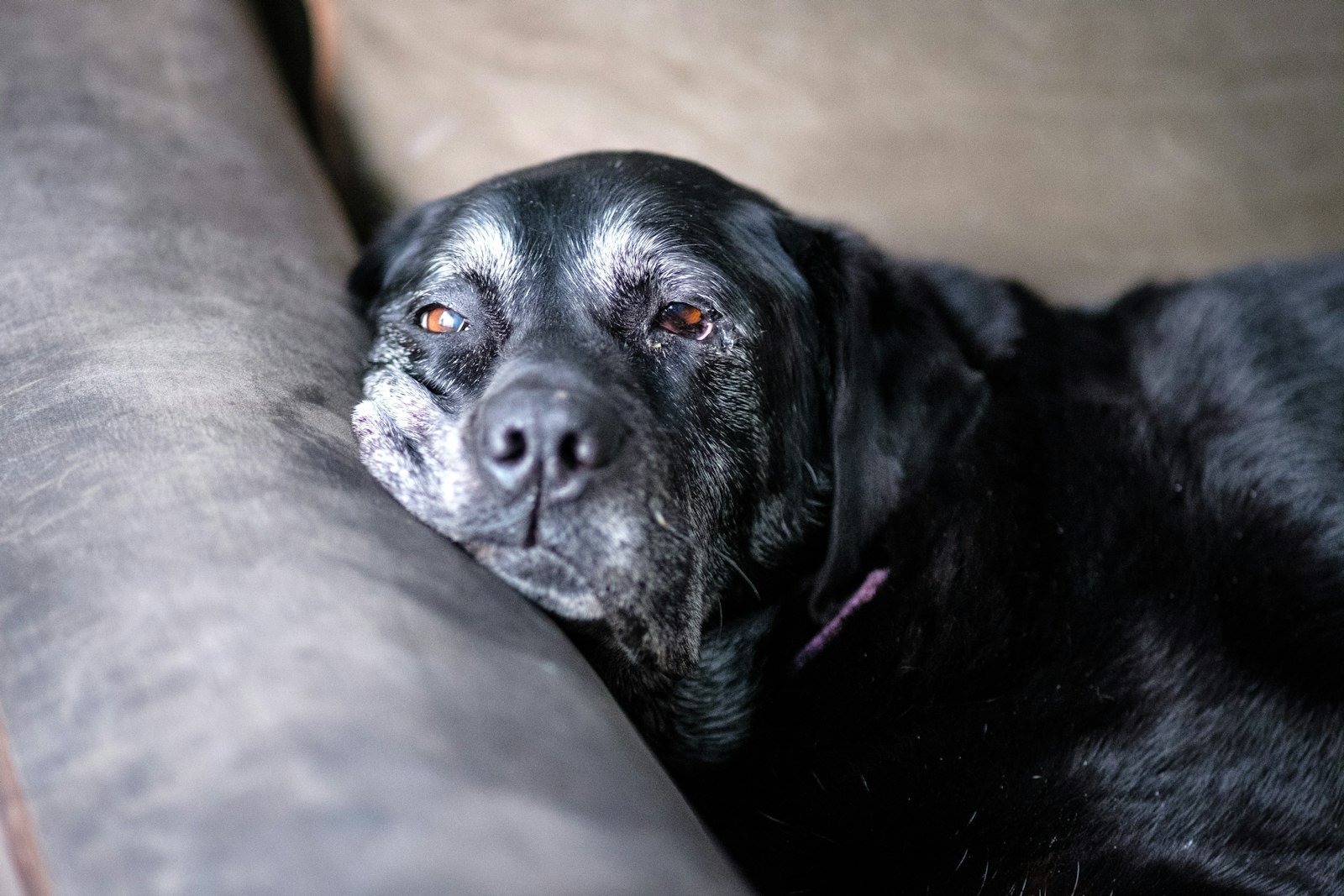
Hip dysplasia in dogs is a painful condition where one or both hip joints develop abnormally while a puppy is growing, so the joint doesn’t fit together properly and becomes unstable. The PDSA says it can lead to pain, swelling, stiffness and eventually arthritis. It is most common in medium to large breeds, and it needs your vet’s input from the start.
At a glance
- What it is: hip joints that develop abnormally, wear unevenly and become painful.
- Who it affects: any breed, but much more commonly medium to large pedigrees. The PDSA says signs usually start around 5 to 6 months old, though mild cases may not show until much later.
- Urgency: soon. The PDSA says to contact your vet if your dog shows any of the signs or you are worried.
- Vet needed? Yes, for assessment, pain relief and a long-term plan.
Signs to look for
According to the PDSA, signs include:
- “Bunny hopping”, where both back legs move together when running
- limping or stiffness
- trouble getting up and lying down
- a wobbly or swaying walk, or sore hips
- difficulty jumping or using stairs
- less interest in walks
- thin-looking hips, linked to weak muscles in the back legs
Some dogs with a mild form show nothing until arthritis develops later in life. Our sick dog symptoms guide helps with other changes you spot.
Causes and risk factors
The PDSA says most dogs inherit the condition from a parent. The Kennel Club describes it as a complex inherited condition in which genes and environmental factors such as diet, exercise and conditions in the womb all play a part. It tends to be more severe in medium to large breeds, fast-growing dogs, overweight dogs and dogs over-exercised when young. The PDSA names Labradors, German Shepherds, Golden Retrievers, Rottweilers, Bernese Mountain Dogs and Newfoundlands as examples, while stressing that any breed can develop it.
When to call your vet
Speak to your vet if your dog shows any of the signs above, or if you’re worried even without obvious signs. The PDSA says it is always best to contact your vet if you are concerned. If you plan to breed from a dog, speak to your vet about screening first. Our vets near me guide can help you find a practice.
- 1. Notice
Bunny hopping, limping or stiffness - 2. Speak to your vet
Contact your vet if your dog shows any signs or you are worried - 3. Vet examines
Your vet explains what they need to check; formal screening uses X-rays - 4. Options
Treatment options your vet may discuss: weight control, pain relief, controlled exercise - 5. Ongoing care
A condition needing lifelong management
How vets diagnose it
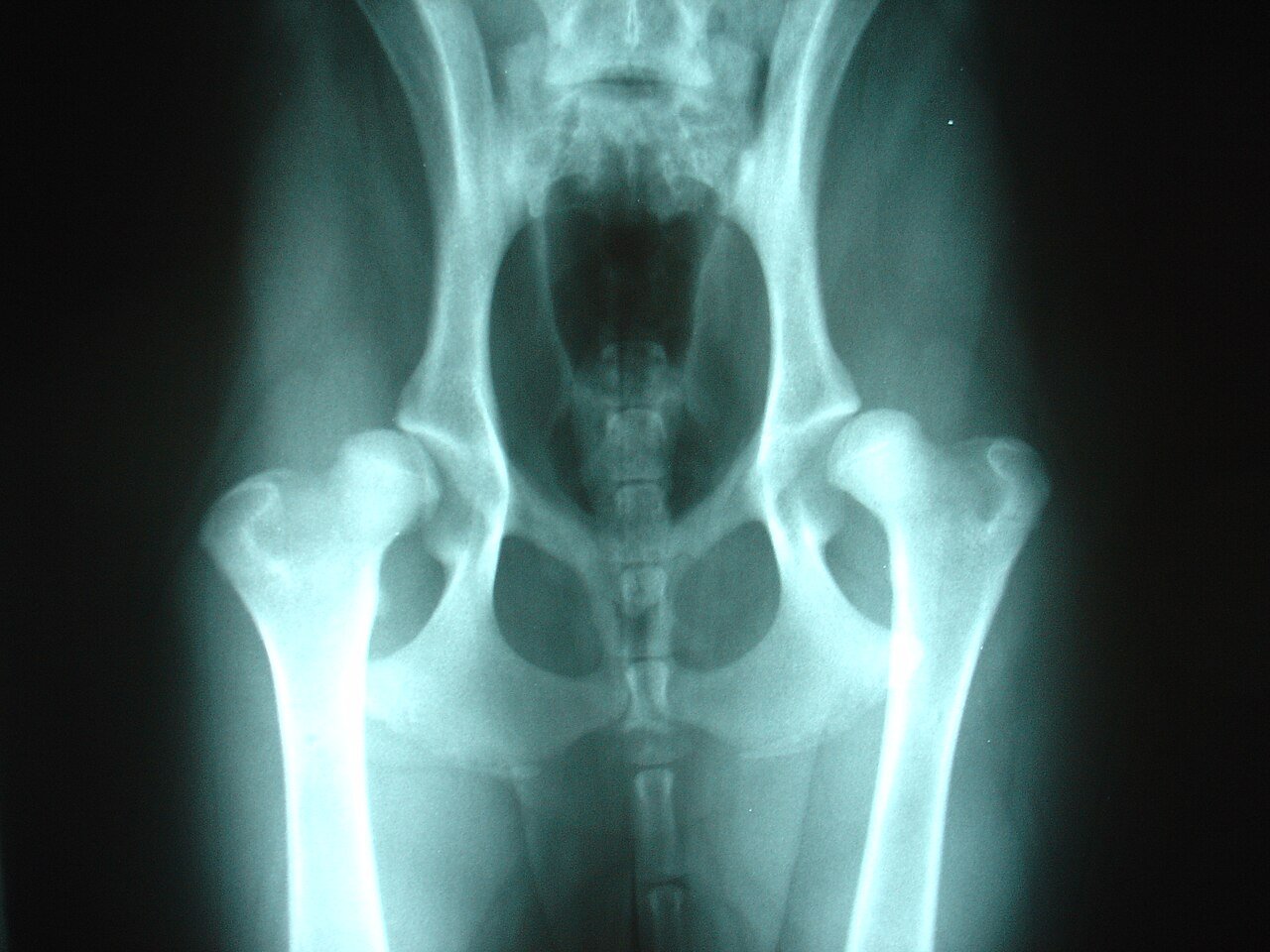
The PDSA page does not set out a step-by-step diagnosis, so your vet will explain what they need to check. For formal screening, the BVA/Kennel Club Hip Scheme uses X-rays taken under anaesthesia or heavy sedation, which two expert scrutineers score independently. Dogs must be at least a year old to take part. Each hip gets up to 53 points (0 to 106 in total), and lower is better.
What vets generally do about it
The PDSA says vets usually start with weight control, anti-inflammatory pain relief, rest when needed and controlled exercise, meaning regular short lead walks and avoiding jumping, skidding, chasing, racing around or exercising for long periods. Severe cases that don’t respond may need surgery, usually after referral to a specialist veterinary hospital. Physiotherapy and hydrotherapy are other options. Your vet decides which approach is right for your dog.
Living with it and prevention
The PDSA describes hip dysplasia as a condition needing lifelong management, though some dogs respond very well to daily management and, if they improve with treatment, can live a long, happy life. Most affected dogs develop arthritis later. The PDSA says costs can reach thousands of pounds over a lifetime, so look at UK pet insurance early. The PDSA says the only way to prevent hip dysplasia is to stop breeding from affected dogs, so ask breeders for hip scores. The BVA says breeding from dogs that score below the breed median lowers how often the condition occurs but does not eliminate it. For growing puppies of at-risk breeds, the PDSA warns that too much of the wrong exercise can make it worse.
Related conditions
- Elbow dysplasia in dogs, another inherited joint problem
- Arthritis in dogs, which most affected dogs develop
- Cruciate ligament disease in dogs
- Luxating patella in dogs, another cause of back-leg lameness
- Obesity in dogs
- Back to the dog illnesses A-Z
Specialist help
The BVA/Kennel Club Hip Dysplasia Scheme, run since 1965, scores hip X-rays so owners and breeders can make informed decisions. Results are shared on the Kennel Club’s Health Test Results Finder where applicable.
Sources
- PDSA: Hip dysplasia in dogs
- British Veterinary Association: Hip Dysplasia Scheme for dogs
- The Kennel Club: Hip dysplasia screening scheme
Frequently Asked Questions
What are the first signs of hip dysplasia in dogs?
The PDSA lists bunny hopping, limping, stiffness, trouble getting up or lying down and difficulty with stairs. The PDSA says signs usually begin around 5 to 6 months old, though mild cases may not show until much later. Speak to your vet if you notice any.
Can hip dysplasia be cured?
The PDSA describes it as a condition that needs lifelong management. Some dogs respond very well to daily management, and severe cases may need surgery after referral. Your vet will explain the options for your dog.
Which dog breeds get hip dysplasia?
Any breed can, but the PDSA says it is much more common in medium to large pedigrees, including Labradors, German Shepherds, Golden Retrievers, Rottweilers, Bernese Mountain Dogs and Newfoundlands.
What is a hip score?
In the BVA/Kennel Club scheme, each hip is scored up to 53 points, so the total runs from 0 to 106, and lower is better. Dogs must be at least one year old. Your vet takes the X-rays.
This page is general information, not veterinary advice. If you are worried about your dog, speak to your vet. Written by Georgiana & Figo, who are dog owners, not vets. Have a look around Calmshops for everyday dog essentials.


