

Cancer in dogs is a group of diseases where cells in the body multiply uncontrollably, often forming a tumour that can spread and damage nearby structures. The PDSA stresses that not all cancers mean a dog is going to die, and that many lumps turn out not to be cancer at all.
The catch is that you can’t tell by looking. The only safe approach is to speak to your vet about every new lump.
At a glance
- What it is: abnormal cell growth. Tumours can be benign (not cancerous, usually slow-growing, rarely spread) or malignant (cancerous and able to spread).
- Who it affects: any dog. Some types are linked to particular breeds, ages or sun exposure.
- Urgency: soon. Book an appointment for any new lump, and sooner if it grows, bleeds or bothers your dog.
- Vet needed? Yes. Lumps can’t normally be identified by sight alone.
Signs to look for
The PDSA lists a lump or mass, tiredness, eating less, weight loss, coughing, increased thirst, and vomiting or diarrhoea, and says signs vary with the type of cancer. Blue Cross adds sores that won’t heal, breathing difficulty, limping and persistent tummy problems, and points out that these overlap with other illnesses. Our guide to dogs not eating enough may help if appetite is the first thing you notice.
For lumps, the PDSA suggests running your hands over your dog at least weekly, from the head (ears, eyes, mouth) down to the legs, tail, bottom and genitals, following the direction of the fur. Photos and a note of the size help your vet see whether a lump is changing.
Causes and risk factors
Blue Cross says the cause of many cancers is unclear. It does list some links: sun exposure and skin damage for some skin cancers, and some breeds being more at risk for certain cancers. Mast cell tumours, the most common skin cancer in dogs, are more often seen in Bulldogs, Boston Terriers, Pugs, Staffordshire Terriers and retrievers. Breast tumours are most common in unspayed females and dogs over seven, and Blue Cross says spaying before the age of two can reduce that risk. Speak to your vet about whether and when to spay.
Many lumps aren’t cancer. Blue Cross says most lumps are not cancerous, but serious conditions need ruling out, and the PDSA lists abscesses, cysts, skin tags, warts, ticks, insect bites and fatty lumps among the non-cancerous causes. See our pages on lipomas and ticks.
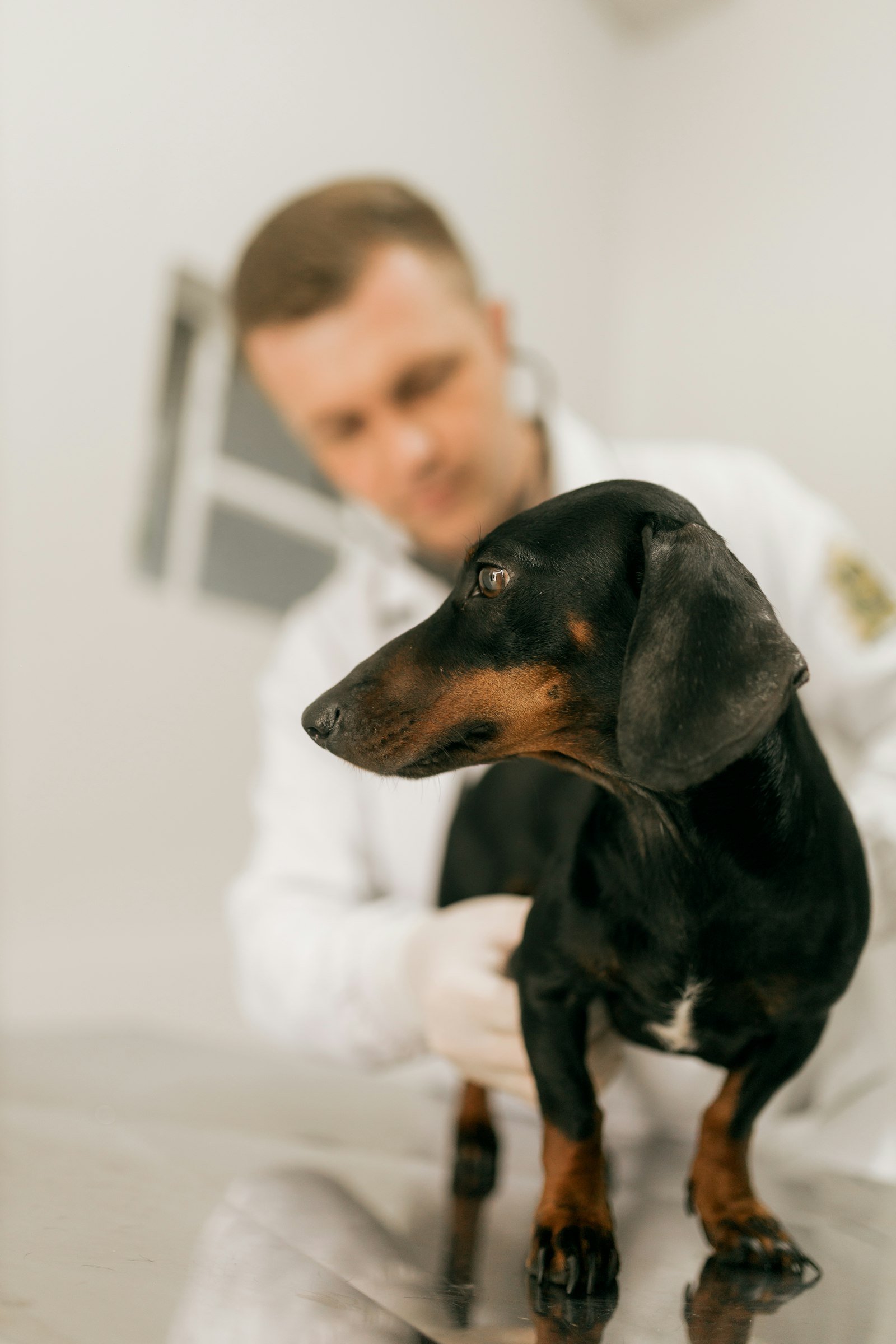
- Head: ears, eyes and mouth
- Neck and shoulders
- Chest and ribs
- Tummy and sides
- Legs and paws
- Tail: base to tip
- Bottom and genitals
Found something new? Take a photo and note the size, then speak to your vet. You cannot tell what a lump is by looking. Only your vet can.
When to call your vet
The PDSA says to contact your vet about every new lump, even if it looks harmless, because earlier detection improves the chance of successful treatment. For lumps you already know about, ring if one grows, becomes less movable, changes in appearance or texture, bleeds or weeps, or affects how your dog moves. The PDSA also says to seek immediate help for severe insect bite reactions, including breathing difficulty, severe swelling or collapse. If you don’t have a regular practice, use our guide to finding a vet, and if your dog seems generally unwell, our sick dog symptoms guide can help you judge urgency.
How vets diagnose it
According to the PDSA, vets may start with a fine needle aspirate, where cells are collected with a small needle and syringe, usually during a consultation without anaesthetic. A biopsy takes a larger sample, under sedation or anaesthetic, if the first test is unclear. For suspected cancer, the PDSA adds that vets may check nearby lymph nodes, use X-rays, ultrasound, MRI or CT, and run blood tests, though no blood test specifically detects cancer. Some scans need a specialist hospital.
What vets generally do about it
Treatment depends on the cancer type, whether it has spread and your dog’s overall health, and your vet will talk you through it. The PDSA and Blue Cross describe three main options:
- Surgery to remove or shrink a tumour. Blue Cross says it can cure some cancers, though a harmless lump causing no problems may not need removing.
- Chemotherapy to kill cancer cells or slow them down. The PDSA says doses are usually lower than in people.
- Radiotherapy, available at only a few specialist UK hospitals.
Where a cancer can’t be cured, the PDSA describes palliative care, which aims to keep a dog comfortable. Blue Cross says most skin cancers can be treated successfully, often by surgery, with a prognosis that is often very good.
Living with it and prevention
Day to day, follow your vet’s advice and tell them if your dog seems to be struggling. Blue Cross lists changes in behaviour (such as irritability or anxiety) and loss of appetite among the signs a dog may be struggling or in pain. Treatment can cost thousands of pounds according to the PDSA, so read our pet insurance guide and our piece on how long dogs live.
There is no sure way to prevent cancer. For skin cancer, Blue Cross suggests keeping dogs out of strong midday sun (roughly 10am to 3pm) or providing shade, and says light-skinned, thin-coated dogs are most at risk of one type, squamous cell carcinoma.
Related conditions
- Lipomas (fatty lumps)
- Ticks
- Skin infections
- Obesity
Browse the full A-Z of dog illnesses and conditions.
Sources
- PDSA: Skin lumps and tumours in dogs
- PDSA: Cancer in dogs (Pet Health Hub PDF)
- Blue Cross: Cancer in dogs
- Blue Cross: Skin cancer in dogs
- Blue Cross: Fatty lumps and lipomas in dogs
Frequently Asked Questions
Are most lumps on dogs cancerous?
Blue Cross says most lumps are not cancerous and the PDSA lists many harmless causes, but any new lump should be checked by a vet. Speak to your vet rather than waiting to see what it does.
Can I tell if a lump is cancer just by looking at it?
No. The PDSA says lumps usually can’t be identified by sight alone, and vets normally take a sample, such as a fine needle aspirate or biopsy, to find out what a lump is.
What should I do if I find a lump on my dog?
Speak to your vet and book an appointment, even if it looks harmless. It helps to take a photo and note the size, so your vet can see whether it changes.
Is cancer in dogs always fatal?
No. The PDSA says not all cancers mean a dog will die, and Blue Cross says most skin cancers can be treated successfully. Outlook depends on the type and how advanced it is, so your vet is the person to ask.
This page is general information, not veterinary advice. If you are worried about your dog, speak to your vet. Written by Georgiana & Figo, who are dog owners, not vets. Have a look around Calmshops for everyday dog essentials.