
Cruciate ligament disease in dogs is damage to one of the two strong bands inside the knee, anything from a small tear to a complete rupture. The PDSA likens the ligaments to “two pieces of strong elastic that hold the knee together”, and a limp in a back leg is often the first sign. Only your vet can confirm it, so speak to your vet if your dog is limping.
At a glance
- What it is: damage (a tear or a full rupture) to a cruciate ligament in the knee.
- Who it affects: any dog, though the PDSA says it is more common in overweight dogs and dogs with an inherited weakness.
- Urgency: soon. The PDSA says to contact your vet if your dog is limping, rather than waiting to see if it passes.
- Vet needed? Yes. Diagnosis and treatment are for your vet.
Signs to look for
The PDSA says the signs can range from a slight limp to not being able to put any weight on the leg, and they often start suddenly. Things you might notice:
- Limping, often on a back leg (sometimes both)
- Holding a back leg up completely
- Stiffness, especially getting up after lying down
- A painful or swollen knee, particularly on the inner side
- An unusual or unsteady way of walking
Causes and risk factors
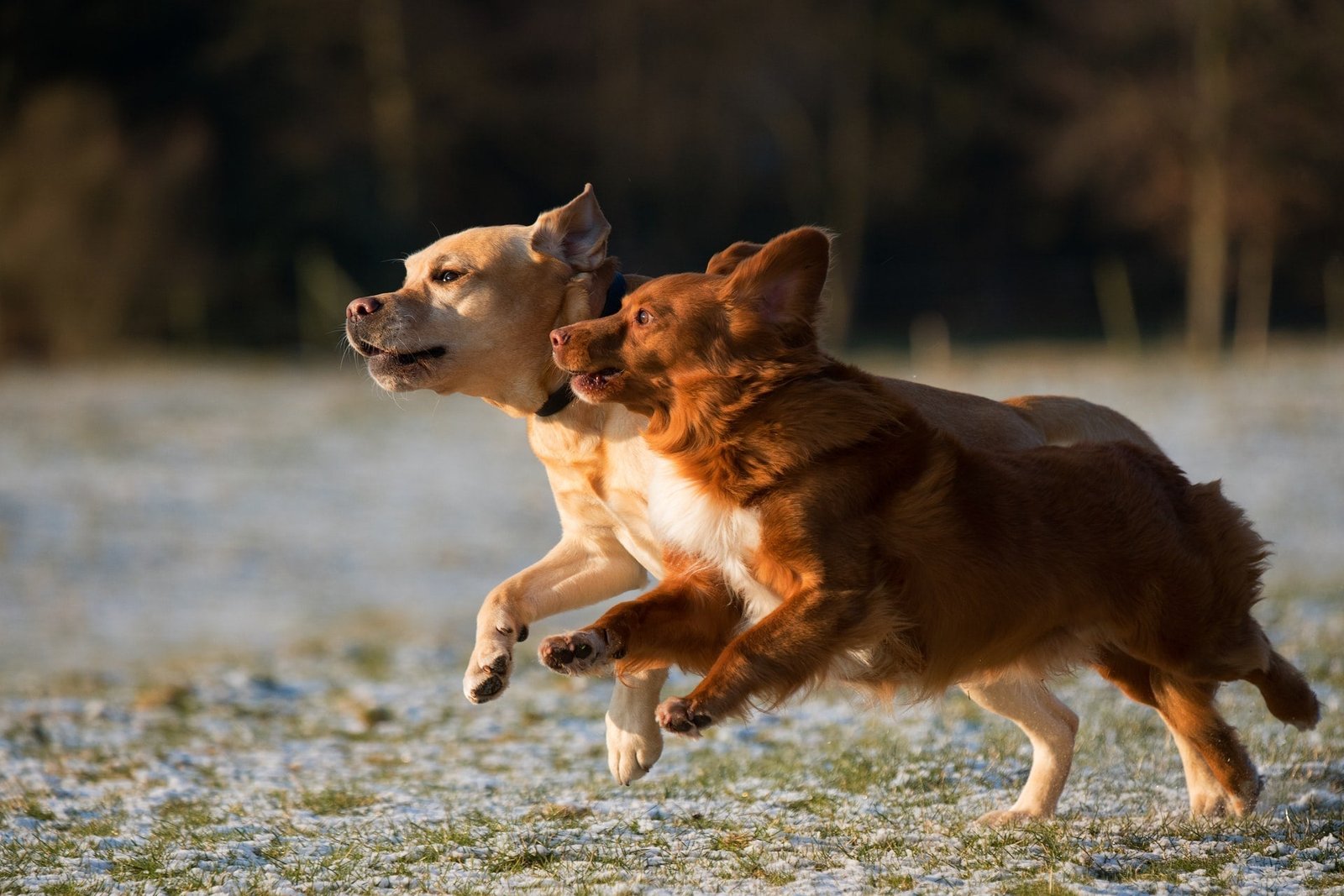
According to the PDSA, the most common way a dog damages a cruciate ligament is jumping, skidding, twisting or turning awkwardly. Some ligaments weaken gradually “like a fraying rope” before they give way. Dogs that run and turn sharply on uneven ground, chase, skid or jump are at higher risk, and extra weight adds strain. The PDSA names Labradors, Rottweilers and Newfoundlands as slightly more at risk.
A large Royal Veterinary College VetCompass study compared 1,000 dogs with a cranial cruciate ligament rupture against 500,000 dogs without one. Compared with crossbreeds, the odds of a diagnosis were highest in Rottweilers (about 3.7 times), then Bichon Frises (2.1), West Highland White Terriers (1.8) and Golden Retrievers (1.7). The average age at first diagnosis was 7.4 years, and dogs aged 6 to under 9 had the highest risk compared with dogs under 3. Neutered dogs also had somewhat higher odds than entire females. That is an association, not proof that neutering causes it, so speak to your vet about your own dog.
When to call your vet
The PDSA’s advice is simple: always contact your vet if your dog is limping or you think they might have hurt their knee. If you do not have a regular vet yet, our vets guide will help you find one. If you are unsure whether a limp is the only problem, our sick dog symptoms guide can help you decide how quickly to call.
- 1. Notice
Limping, often on a back leg - 2. Speak to your vet
Contact your vet if your dog is limping, rather than waiting - 3. Vet examines
Feels the knee and may recommend X-rays - 4. Options
Treatment options your vet may discuss: strict rest, physiotherapy, surgery - 5. Ongoing care
Follow your vet’s instructions closely; regular check-ups are recommended
How vets diagnose it
Your vet will feel the knee for abnormal movement in the joint, and may recommend X-rays. The PDSA notes that a very tense or painful dog may need sedation for the examination to be done properly.
What vets generally do about it
Some cruciate injuries need surgery and some do not, and your vet will advise which suits your dog. The PDSA says non-surgical treatment is mainly used for dogs under 10kg with mild signs, and usually means strict rest, then gradual controlled exercise, pain relief from the vet for the first few weeks, weight control and physiotherapy where available. It can take a few weeks to a few months, and surgery may be recommended if it does not work. There are several surgical techniques, and the choice depends on your dog’s size and weight and whether referral to a specialist surgeon is possible. Recovery takes several weeks, and following your vet’s instructions closely matters.
Living with it and prevention
The PDSA says most dogs can return to a fairly normal life after a good recovery, though dogs who have had cruciate damage nearly always develop arthritis later, so regular check-ups are recommended. The PDSA says about one in three dogs that injure one knee later injure the other. Your vet will tell you what exercise is sensible, but the PDSA advises avoiding jumping, skidding and chasing unless a dog is very fit. Keeping your dog slim reduces strain on the joints, and the PDSA suggests building fitness up gradually. The PDSA says treatment can cost a lot of money, so it is worth reading our guide to UK pet insurance early.
Related conditions
- Arthritis in dogs, which the PDSA says nearly always follows cruciate damage
- Obesity in dogs, a known risk factor
- Hip dysplasia in dogs
- Luxating patella in dogs
- Elbow dysplasia in dogs
- Intervertebral disc disease (IVDD) in dogs
You can browse the full A–Z of dog illnesses and conditions too.
Sources
- PDSA, Cruciate ligament damage in dogs (Pet Health Hub)
- PDSA, Cruciate disease in dogs (Pet Health Hub leaflet, PDF)
- Royal Veterinary College VetCompass, New research finds Rottweilers at greatest risk of cranial cruciate ligament rupture (2023)
Frequently Asked Questions
Can a dog’s cruciate ligament heal on its own?
The PDSA says some cruciate injuries need surgery and some do not, and that non-surgical treatment is mainly used for dogs under 10kg with mild signs. Your vet decides the right option, so speak to your vet.
Is a cruciate ligament injury an emergency?
The PDSA does not call it an emergency, but it says to always contact your vet if your dog is limping or may have hurt a knee. Your vet can advise how soon your dog needs to be seen.
Will my dog injure the other knee?
The PDSA says about one in three dogs that injure one knee later injure the other. Keeping your dog slim and avoiding jumping, skidding and chasing unless they are very fit may help reduce strain, but your vet can advise on your dog.
Which dogs are most likely to rupture a cruciate ligament?
In a Royal Veterinary College VetCompass study, Rottweilers had the highest odds compared with crossbreeds, followed by Bichon Frises, West Highland White Terriers and Golden Retrievers. The PDSA also names Labradors and Newfoundlands as slightly more at risk. Any dog can be affected.
How long does recovery take?
The PDSA says non-surgical treatment often takes a few weeks to a few months, and recovery after surgery takes several weeks with pain relief, strict rest and gradual exercise. Your vet will explain what to expect for your dog.
This page is general information, not veterinary advice. If you are worried about your dog, speak to your vet. Written by Georgiana & Figo, who are dog owners, not vets. Have a look around Calmshops for everyday dog essentials.