

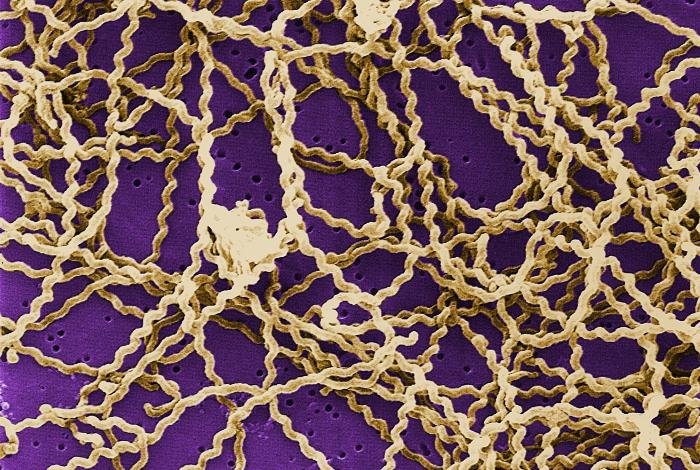
Leptospirosis, often called lepto, is a bacterial infection that can seriously damage a dog’s liver and kidneys. The PDSA describes it as a very serious disease that can be fatal, and it can also pass to people. Any dog can catch it, so speak to your vet about vaccination and about any signs of illness straight away.
At a glance
- What it is: a bacterial infection, spread in urine, that can seriously damage the liver and kidneys
- Who it affects: any dog. Farm dogs, rat hunters and dogs that swim often are at higher risk, and unvaccinated dogs are more at risk still
- Urgency: act straight away. The PDSA says to contact a vet immediately about any signs, and warns a dog can die within two days of showing symptoms
- Vet needed? Yes, always. Speak to your vet promptly about any signs
Signs to look for
The PDSA says signs vary widely. They can include yellowing of the gums and eyes (jaundice), vomiting, diarrhoea, weakness, reduced appetite, weight loss, drinking and weeing more, breathing difficulties and coughing. An older PDSA leaflet also lists fever, muscle pain or limping, collapse, bleeding from the mouth or eyes and mouth ulcers. Some dogs show few or no signs but can still spread the infection.
These signs overlap with many other illnesses, such as kidney disease, liver disease and vomiting from other causes, which is why a vet needs to examine your dog. Our sick dog symptoms guide may help you describe what you have seen.
Causes and risk factors
Bacteria are shed in the urine of infected animals. The PDSA says dogs can pick them up from other infected dogs, from ground contaminated by urine, from the urine of infected cows, pigs or rodents, and from wet ground and fresh water such as rivers and lakes, where the bacteria can survive for months. They can enter through the mouth, nose or wounds.
Dogs that live on farms, regularly kill rodents or spend a lot of time in water are at higher risk, according to the PDSA. Unvaccinated dogs are also at higher risk.
When to call your vet
The PDSA advises contacting your vet immediately if your dog has any of the signs above, especially if their vaccinations are not up to date, and warns that a dog can die within two days of symptoms appearing. If your vet is closed, speak to an out-of-hours service. You can find a practice through our vets database.
Because the infection can pass to people (the PDSA calls it Weil’s disease in humans, and says it is rare), anyone worried about their own health should speak to their GP or NHS services.
- 1. Notice
Yellowing of the gums or eyes, vomiting, or weakness. - 2. Speak to your vet
Urgent: contact your vet immediately about any signs. - 3. Vet examines
Reviews vaccination history, examines your dog and runs blood and urine tests. - 4. Options
Treatment options your vet may discuss: antibiotics, fluids, anti-sickness medication. - 5. Ongoing care
Annual vaccination is the best protection. Ask your vet what suits your dog.
How vets diagnose it
The PDSA says vets review vaccination history, examine your dog and run blood and urine tests. Tests may need repeating because the disease can be hard to confirm early on, and treatment may start before a diagnosis is confirmed. The Royal Veterinary College (RVC) makes a related point in the description of a VetCompass research project: it says acute leptospirosis is difficult to diagnose, and that the standard antibody test (the microscopic agglutination test) cannot tell infected dogs from vaccinated ones.
What vets generally do about it
According to the PDSA, treatment typically includes antibiotics, fluids, anti-sickness medication and pain relief if needed. Infected dogs are isolated, and staff wear protective clothing. Some dogs recover with prompt care, but severe cases often die early or become too ill to save, and some survivors develop long-term kidney disease. Recovered dogs can still shed bacteria in their urine for a time, so speak to your vet about hygiene at home. Treatment can be expensive, and the PDSA recommends considering insurance before illness happens (see our pet insurance guide).
Living with it and prevention
The PDSA calls annual vaccination the best protection, and says UK vaccines cover the strains commonly found here. Your vet can advise which vaccine suits your dog’s lifestyle. No vaccine guarantees protection: the RVC’s VetCompass project description says cases are still seen in the UK despite vaccination, and that it is unclear whether the strains in the vaccine represent those found in UK dogs.
The PDSA says puppies are not protected until one to three weeks after finishing their vaccine course, depending on the vaccine. Until then it suggests avoiding farms, stagnant or slow-moving water, unvaccinated dogs and areas with wildlife. The PDSA says puppies can meet only fully vaccinated dogs in the meantime, and can usually go to puppy classes if they are healthy. After handling an infected dog, the PDSA advises washing your hands and wearing gloves to clear up urine or bedding.
Related conditions
- Kidney disease in dogs
- Liver disease in dogs
- Vomiting in dogs
- Diarrhoea in dogs
- Lyme disease in dogs
- Back to the dog illnesses A-Z
Sources
- PDSA, Leptospirosis in dogs
- PDSA, Leptospirosis in dogs (leaflet)
- Royal Veterinary College (VetCompass), Canine leptospirosis: improving diagnostics and understanding of the epidemiology of disease in UK dogs (research project page)
Frequently Asked Questions
How do dogs catch leptospirosis?
The PDSA says the bacteria spread in urine. Dogs can pick them up from other infected dogs, contaminated ground, rodents, farm animals, and wet ground or fresh water such as rivers and lakes. They enter through the mouth, nose or wounds.
Can people catch leptospirosis from their dog?
Yes, it can pass to people, where it is called Weil’s disease. The PDSA says this is rare, and advises washing your hands after handling your dog and wearing gloves to clear up urine or bedding. If you are worried about your own health, speak to your GP or NHS services.
How often does my dog need the lepto vaccine?
The PDSA recommends vaccinating every year. Speak to your vet about which vaccine suits your dog and when a booster is due.
Can a vaccinated dog still get leptospirosis?
Cases are still seen in the UK despite vaccination, according to the Royal Veterinary College, which is why it is worth speaking to your vet about any signs even if your dog is up to date.
This page is general information, not veterinary advice. If you are worried about your dog, speak to your vet. Written by Georgiana & Figo, who are dog owners, not vets. Have a look around Calmshops for everyday dog essentials.