

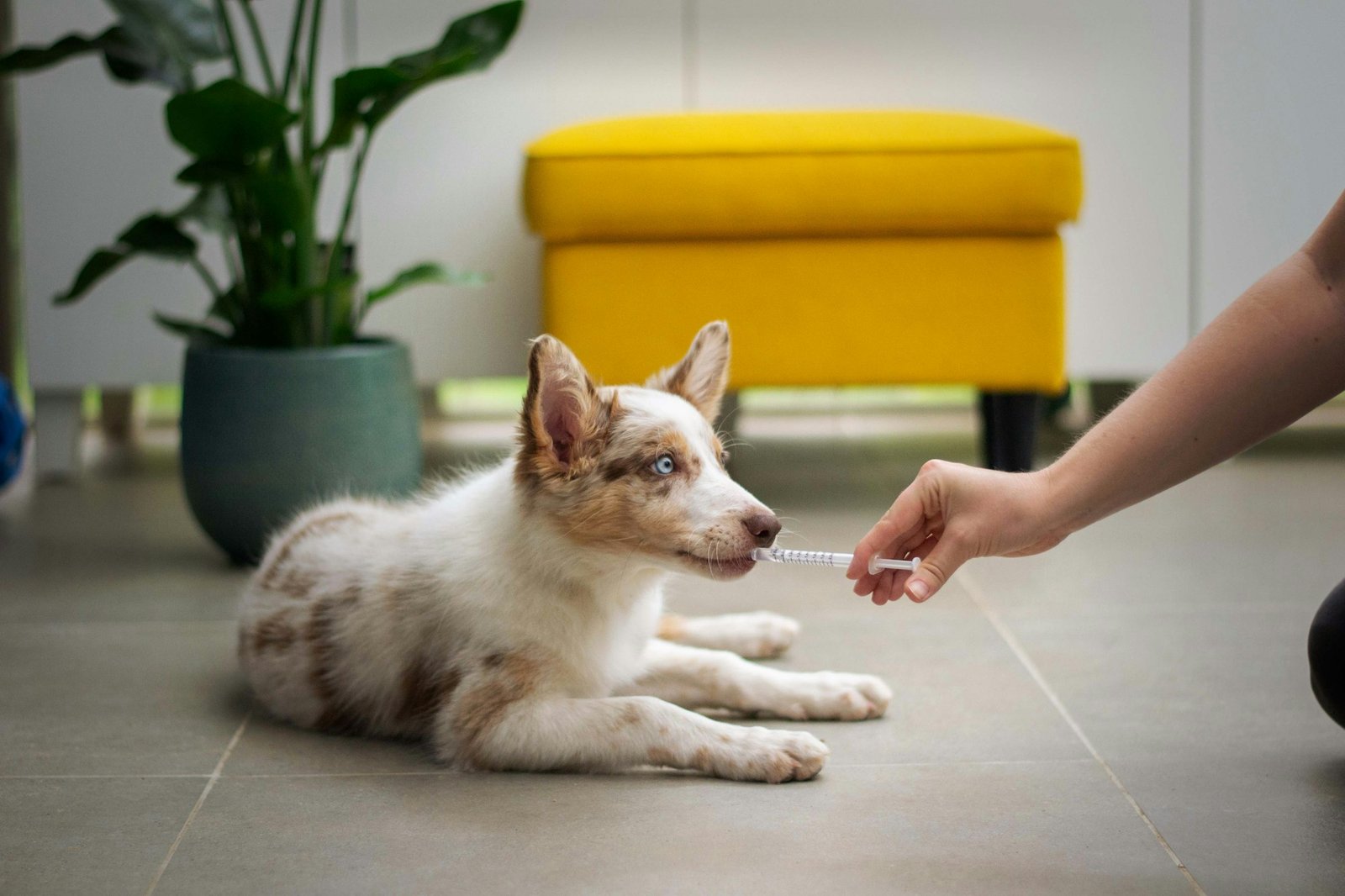
Poisoning in dogs means a dog has swallowed, licked or come into contact with something that can harm their body. Everyday things count, from chocolate and grapes to human medicines and antifreeze, and any dog can be caught out.
The headline message is simple: if you think your dog has had something harmful, phone your vet straight away, even if they seem completely fine. The PDSA says signs can take hours or even days to appear, so waiting to see what happens is the wrong move.
At a glance
- What it is: harm caused by swallowing or touching a toxic food, plant, medicine or chemical
- Who it affects: any dog
- Urgency: phone your vet straight away. The PDSA says acting fast can make a big difference
- Vet needed? Yes.
Signs to look for
Signs depend on what was eaten, and some poisons are slow. Here are some examples from UK charities. They are not a full list.
| Possible poison | Signs the charities describe |
|---|---|
| Chocolate | Vomiting and diarrhoea with small amounts; higher amounts can cause seizures (Dogs Trust) |
| Grapes, raisins, sultanas, currants | Vomiting, loss of appetite, tiredness, tummy pain, and kidney failure, which can be fatal (Dogs Trust) |
| Xylitol (a sweetener in some sugar-free products) | A sharp drop in blood sugar and possible liver failure, with signs from within an hour up to 12 hours later (Dogs Trust) |
| Onions, garlic, leeks, chives | Damage to red blood cells, which can lead to anaemia (low red blood cells), tiredness, breathing trouble and pale gums (Blue Cross) |
| Rat and mouse poison | Bleeding, coughing, vomiting, seizures (PDSA) |
| Antifreeze | Kidney failure, which can be fatal (PDSA) |
Vomiting and diarrhoea can have everyday causes too. Our guides to vomiting in dogs and diarrhoea in dogs cover those, but if there is any chance your dog has eaten something toxic, ring your vet rather than wait. Our sick dog symptoms guide helps when you are unsure what you are seeing.
Causes and risk factors
The PDSA and Dogs Trust name many hazards, including:
- Foods: chocolate, caffeine, grapes and raisins, onions and garlic, macadamia nuts, alcohol and xylitol
- Household items: human medicines such as ibuprofen and paracetamol, cleaning products, batteries and antifreeze
- Garden items: rat poison, slug and snail pellets, weed killers, and plants such as daffodil bulbs, yew and foxgloves
When to call your vet
Phone your vet straight away if you think your dog has eaten something poisonous, even if they seem fine. The PDSA says to remove the substance from your dog (and any residue from their coat), then phone your vet, and to take along any packaging, remains of the item or photos. The Animal PoisonLine says to contact your vet immediately if your dog has collapsed, is having convulsions or has difficulty breathing.
Please do not try to make your dog sick unless your vet tells you to. The PDSA warns this can cause more harm than good. Our vets near me guide can help you find one.
- 1. Notice
Your dog may have swallowed or touched something harmful, even if they seem fine - 2. Speak to your vet
Phone your vet straight away, even if your dog seems fine - 3. Vet examines
You share what, how and when; your vet examines your dog - 4. Options
Treatment options your vet may discuss: depends on the poison - 5. Ongoing care
After treatment, follow your vet’s aftercare advice
How vets diagnose it
It starts with what you can tell them. The Animal PoisonLine lists what to have ready: your dog’s age, breed and weight, what they were exposed to, how, how long ago and roughly how much. Your vet will then examine your dog and decide what to do.
What vets generally do about it
What happens depends entirely on the poison, how much and how long ago. Blue Cross says that for grapes or currants a vet will likely try to bring on vomiting and may give fluids through a drip, and that a dog who develops pancreatitis after eating macadamia nuts may need 24-hour monitoring. Treatment is always your vet’s decision, never something to start at home.
Living with it and prevention
After treatment, follow your vet’s aftercare advice. For prevention, the PDSA and Blue Cross suggest:
- Store food, medicines, cleaning products and chemicals out of reach, and seal bins
- Only give medicines your vet has prescribed for your dog
- Avoid slug pellets, and throw away old packets from the shed
- Store antifreeze and screen wash securely, and keep an eye out for coolant leaks
- Keep your dog out of the kitchen while you cook, with extra care at Christmas and Halloween
If an emergency bill would worry you, our pet insurance guide is worth a read.
Related conditions
- Vomiting in dogs and diarrhoea in dogs
- Kidney disease in dogs
- Liver disease in dogs, as xylitol can affect the liver
- Pancreatitis in dogs
- Epilepsy in dogs, as poisons can also cause seizures
- Back to the dog illnesses A-Z
Specialist help
The Animal PoisonLine, run by the Veterinary Poisons Information Service, describes itself as a 24-hour emergency telephone service. Check its website for current details. If your dog is collapsed, fitting or struggling to breathe, go to your vet first.
Sources
- PDSA, First aid for poisons and toxins
- PDSA, Poisons and Hazards for your pets
- Dogs Trust, What Foods are Toxic and Poisonous to Dogs?
- Dogs Trust, Items in the home and garden that are poisonous to dogs
- Blue Cross, Poisonous Foods for Dogs
- Animal PoisonLine (Veterinary Poisons Information Service)
Frequently Asked Questions
What should I do if my dog has eaten something poisonous?
Take the substance away, remove any of it from your dog’s fur, and phone your vet straight away. Take any packaging, remains of the item or photos of them to the appointment. Do not wait for signs, as they can take hours or days to appear.
Should I make my dog sick if they have eaten something toxic?
No, not unless your vet tells you to. The PDSA warns that trying to make a dog vomit can cause more harm than good. Speak to your vet and follow their advice.
How long do signs of poisoning take to show?
It varies. The PDSA says it can take hours or days. Dogs Trust says xylitol signs can appear within an hour or take up to 12 hours. A dog who looks well is not necessarily safe, so speak to your vet.
Which common foods are poisonous to dogs?
Charities including Dogs Trust, Blue Cross and the PDSA name chocolate, grapes, raisins, sultanas, currants, onions, garlic, leeks, chives, macadamia nuts, alcohol, caffeine and xylitol. If your dog has eaten any of these, phone your vet.
Is there a helpline for pet poisoning in the UK?
The Animal PoisonLine, run by the Veterinary Poisons Information Service, is a 24-hour phone service for owners. If your dog has collapsed, is fitting or struggling to breathe, contact your vet immediately.
This page is general information, not veterinary advice. If you are worried about your dog, speak to your vet. Written by Georgiana & Figo, who are dog owners, not vets. Have a look around Calmshops for everyday dog essentials.

